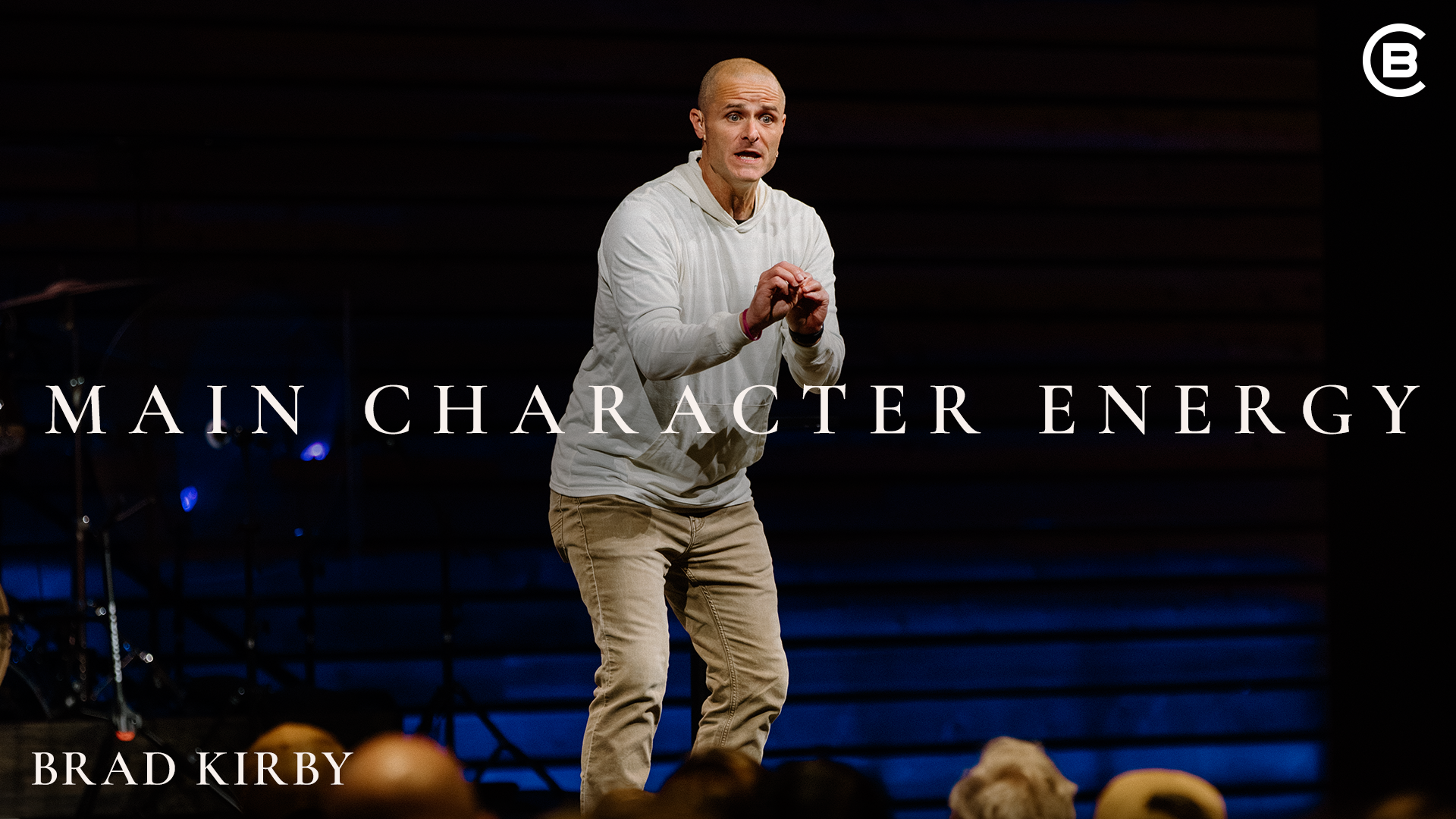
Main Character Energy
Sermon Notes
In Joshua 24, God gathers an entire nation and does something surprising: He retells their history and puts Himself back into it at every turn. Israel could have told the story of their battles, their leaders, and their victories and gotten most of the facts right, all while leaving out the One who made it possible. Brad Kirby unpacks how God narrates the story with every verb pointing back to Himself, tracing His grace all the way back to an idol-worshiping family beyond the river. It's a reminder that even in your own story, you are not the central character. Come see why remembering His grace changes how you tell your story and how you live.
Key Takeaways
God is the main character, not a supporting one. Israel could tell their history and get the facts right while leaving out the One behind all of it, and Joshua 24 puts God back at the center of the story.
We need each other's memory. God calls His people to gather because spiritual amnesia affects families, churches, and whole generations, and we need brothers and sisters who can remind us that He kept us.
The story begins with grace, not merit. God started Israel's history back with an idol-worshiping family, making it clear they were chosen not because they were deserving but because He is gracious.
God fights battles you never see. The Balak and Balaam account reminds us that God has protected us from things we will never know about until glory, so thank Him for what He never let reach you.
Grace doesn't purchase obedience, it produces it. The word "therefore" in verse 14 means we don't serve God to earn His love, we serve Him because He first loved us and gave His life for us.
Discussion Questions
When you tell the story of your life, who or what tends to get the credit?
Where have you seen God's hand at work in your past that you missed in the moment?
Why do you think it's so easy to tell a story about God and accidentally leave Him out of it?
How does remembering that your story began with grace change the way you see yourself?
Whose memory of God's faithfulness has helped correct your own when you were struggling to remember?
What does the difference between "grace produces obedience" and "obedience earns grace" change about how you follow Jesus?
This Week's Challenge
Write down one specific way God has carried you that you rarely name, and thank Him for it out loud this week.
Transcript
God Writes Himself Back Into the Story
Last week we saw a 110-year-old Joshua at the end of his life, begging Israel's leaders to remember God and remain faithful. Now in Joshua 24 the setting shifts. Joshua has said his piece in private, and now God speaks to the whole nation in public. Before anyone says a word, they present themselves before God.
Watch the thread running through God's speech. Again and again, God inserts Himself back into a story Israel could have told without Him. They could get most of the facts right and still leave out the most important character. It would be like George Lucas retelling Star Wars and writing himself in as the hero. God reminds them He is not a supporting character. He is the author, and He is the main character. Israel's story is ultimately God's story.
In How They Gather
Joshua gathers all the tribes to Shechem. He could have ended his speech in chapter 23 and let the leaders pass the message along. But God wants to address the nation Himself, because spiritual amnesia affects more than individuals. Families forget. Churches forget. Entire generations can lose the thread of who God is and what He has done.
The location was not incidental. Shechem was soaked in memory. It was where God promised Abraham the land, where Jacob buried the foreign gods, where Israel first read the blessings and the curses. Every hillside preached the same sermon: God keeps His promises.
Here's the thing, friends. We do not just need to remember on our own. We need each other's memory. Some weeks the noise crowds out my own recollection of God's faithfulness, and I need brothers and sisters who can say, "He kept me. He carried us." That is one of the reasons we gather.
In Who Gets Credit
Listen to how God narrates Israel's history: every verb has the same subject. I took. I led. I gave. I made his offspring many. Israel already knew these events. They had lived them. They didn't need the verbs repeated. They needed the subject revealed.
Israel could have told it their own way. The army won battles. The tribes conquered the land. Every one of those statements is technically true. But leave God out and they become spiritually empty. That is one of the most dangerous things that can happen to a testimony or a church's legacy. It becomes technically accurate and spiritually bankrupt.
Imagine watching Star Wars with the sound muted. You would see the action but miss the meaning. Many of us look back at our own lives with the divine soundtrack muted. We see that we survived, but we miss the grace that carried us. Joshua 24 turns the sound back on.
In Where the Story Begins
If someone asked you to tell the story of your people, where would you begin? Most Israelites would start with Abraham. But God goes back further, beyond the Euphrates, to Terah and Nahor, when the family served other gods. That is not a flattering place to begin.
God did not say, "Your people were impressive, so I chose Abraham." He said the opposite. "Your family worshiped other gods. Then I took Abraham." God intervened not because they were deserving. He simply decided to offer grace.
Follow Terah's name through Scripture and you find him one last time in Luke 3, in the family tree of Jesus. The name of an idolater shows up in the genealogy of the Savior. That is the gospel. It begins with a gracious God seeking people who are lost. Your beginning does not have authority over your ending.
In Which Battles Get Remembered
Verses 5 through 10 move quickly through Egypt, the Red Sea, the wilderness, and the Amorite kings. Then we stumble onto something unexpected: Balak and Balaam. Almost everything God narrates, Israel had witnessed with their own eyes. This one is different.
Balak, the king of Moab, was terrified of Israel and hired Balaam to curse them. On three mountains Balaam tried, but God had already blessed Israel, and no curse could overturn it. Israel did nothing to stop it. They never argued their case. They never even knew how close they came to disaster.
God told this obscure story on purpose. Israel remembered the battles it fought. God reminded them of a battle He fought on their behalf, while they never knew it was happening. There are blessings you will never know about until glory: plans He overturned, attacks He refused to permit. Thank Him this morning not only for what He brought you through, but for what He never let reach you.
In What Comes Before the Command to Obey
For twelve verses God speaks in the first person, repeating His grace and faithfulness. Then in verse 14 Joshua steps back in: "Now therefore fear the Lord and serve him." That word "therefore" connects everything God has done with everything Israel is now called to do. The first thirteen verses are not just a history lesson. They are the runway for obedience.
We don't obey to earn God's love. We love because He first loved us. We don't give our lives to pay for salvation. We give Him our lives because He gave His for us. Grace doesn't purchase our obedience. It produces it.
Think of a wedding. When a couple stands and makes their vows, they are not strangers. Their promises are a response to a love already felt, witnessed, and tested. Joshua 24 is that kind of moment, a covenant renewal. God rehearses His love from beginning to end, and then He asks His people to respond.
Choose This Day
My fear is that we could leave a passage this powerful unchanged. Joshua 24 calls for more than understanding, and more than agreement. It calls for a response. God brought the whole assembly together, reminded them of everything He had done, and then asked them to choose this day whom they would serve.
We have been reminded of God's goodness, His faithfulness, and a love that went all the way to the cross. Jesus gave His life for your sin. He paid the punishment you deserved. He gave you eternal life. Therefore, how will you respond?
For some, this is a moment to recommit: "As for me and my house, we will serve the Lord." For others, it is the first time giving your life to Jesus and receiving His grace. For others still, it is confessing a sin and turning back. Remember His goodness. Remember His faithfulness. Respond.