The God Who Keeps His Word
Sermon Notes
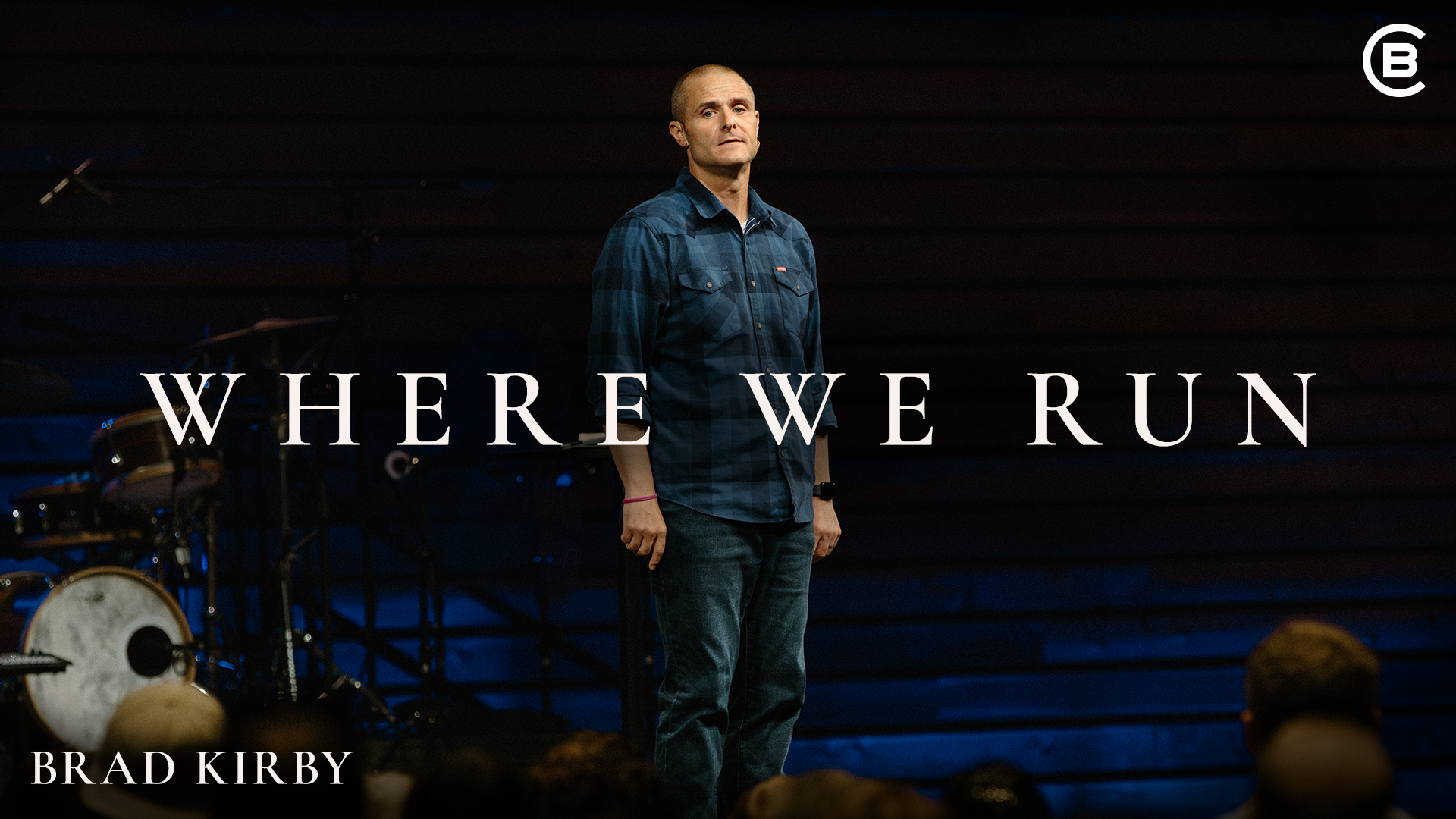
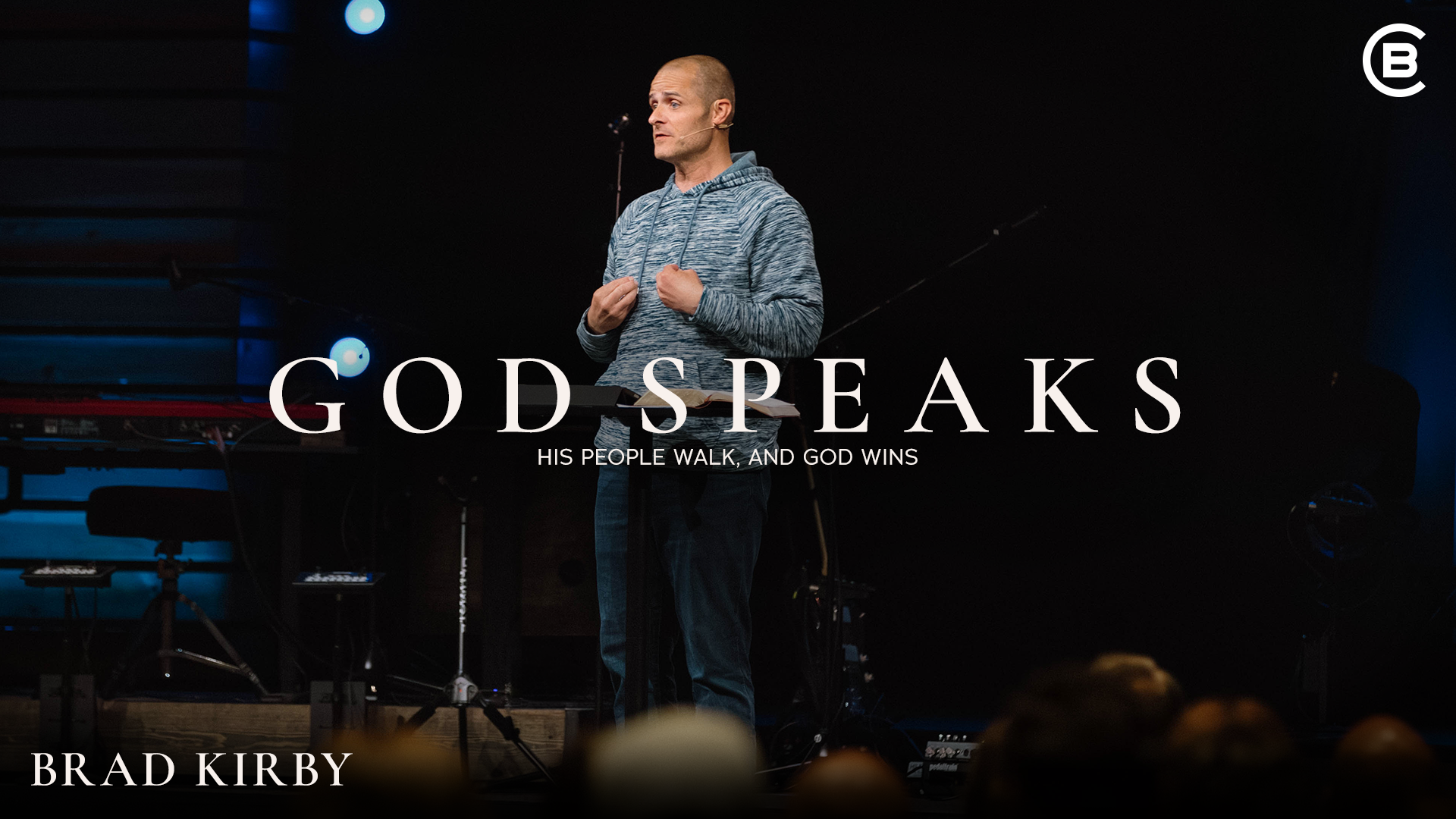
It's easy to believe God can start something. A new season, a changed heart, a restored relationship. The harder question is whether He'll see it all the way through. In Joshua 11–12, Israel faces a massive northern coalition, a long and costly campaign, and fears that stretch all the way back to their parents' generation. What we find isn't a story about military strategy, it's a record of a God who does not make empty promises. Brad Kirby opens these two chapters to show that God's Word gets resisted, received, proven, and ultimately remembered. If you're in a season where the promise feels delayed or the battle feels bigger than you, this message meets you right there.
Key Takeaways
Resistance isn't evidence that God's promise has failed. When Israel stepped forward in obedience, the northern kings gathered against them with horses and chariots "like the sand of the seashore." Brad pointed out that opposition often rises precisely when God's people are moving forward. Don't measure the battle only by what you can see.
Faith acts on God's Word, it doesn't just agree with it. Before Joshua saw a single victory, God spoke: "Do not be afraid of them, for tomorrow at this time I will give them over." Joshua didn't wait for the outcome to feel certain. He moved. Biblical faith is not passive agreement, it is obedience in motion.
Complete obedience isn't optional, it's the whole point. Joshua 11:15 says he "left nothing undone of all that the Lord commanded Moses." Brad drew a sharp picture here: a lot of us practice "doorway obedience.” It looks clean from a distance, but there are still things shoved under the bed. God's call is full, not partial.
The long battle doesn't mean God has forgotten you. "Joshua made war a long time with all those kings." The promise was certain, but the process wasn't instant. Spiritual growth, restored relationships, and freedom from sin often come the same way — through daily obedience, repeated trust, and patient endurance over time.
Remembering God's faithfulness fuels faith for the next battle. Joshua 12 ends with thirty-one defeated kings, thirty-one counted victories. Brad called it "holy scorekeeping." We are prone to remember what went wrong and forget how many times God came through. Every believer needs their own Joshua 12 list.
Discussion Questions
Brad noted that we remember defeats more easily than we remember God's victories. What's one specific way you've seen God come through in your life that you need to be reminded of right now?
Joshua 11:6 shows God speaking a clear promise before Joshua saw any victory. What's the difference between waiting for certainty and trusting a promise? Which one describes where you tend to live?
Brad described "doorway obedience.” It looks clean from a distance but things are shoved under the bed. Is there an area of your life right now where you've been giving God partial obedience instead of full obedience?
The Anakim were the giants that terrified Israel's parents, and Joshua 11 shows them defeated. What's a fear or failure from your past that still feels like it has power over you? What would it look like to trust God's Word over that fear?
Brad said, "Resistance isn't evidence that God's promise has failed. Sometimes it rises precisely because the promise is advancing." Has there been a time when obedience got harder right as you were trying to trust God more? What did you learn from that?
Joshua 12 closes with a numbered list of thirty-one defeated kings. If you were to make your own "Joshua 12 list" — the specific ways God has been faithful in your life — what would be the first three things on it?
This Week's Challenge
Write down three specific ways God has kept His Word in your life and share one of them with someone this week.
Transcript
What Do You Do with These Chapters?
Not every passage of Scripture comes with instant application. Joshua 11 and 12 are not Jericho. They're not David and Goliath. They don't have a single dramatic moment we can point to immediately. But Paul reminds us that all Scripture is breathed out by God and profitable. Not just the dramatic passages, but all of it. So the better question is not whether these chapters are useful. It's what God intends to show us here.
God Said It Before Israel Saw It
From the very beginning of Joshua, God speaks about the land in a specific way. He doesn't say He will give the land, He says He has given it. "Every place that the sole of your foot will tread upon I have given to you." That's not careless wording. God repeatedly speaks about what He has promised as already accomplished. Joshua 11 and 12 show us what it looks like when that word gets tested in real time, pressed against real opposition, carried out through real obedience, stretched over real time.
God's Word Is Resisted
Joshua 11 opens with Jabin, king of Hazor, hearing what God has been doing through Israel. He doesn't repent. He calls in every ally he can find. A coalition so large the text says they gathered "like the sand that is on the seashore, with very many horses and chariots." In the ancient world, horses and chariots were the most advanced military technology available. Israel had none of that. The enemy was not small. This was a real threat.
This is still how it works. When God's people move forward by faith, resistance often rises. That's not a sign that God's promise has failed. Sometimes resistance rises precisely because the promise is advancing. The call is not to be fearless and careless. The call is to be alert and anchored. Alert because spiritual opposition is real, anchored because God's Word cannot fail.
God Speaks Before Joshua Moves
Before Joshua takes a single step toward the battle, God speaks. And what God says changes everything. "Do not be afraid of them, for tomorrow at this time I will give over all of them, slain, to Israel." God doesn't wait for Joshua to feel ready. He gives the promise before the victory so that Joshua's courage is grounded in something more reliable than his own strength.
That's the hinge of the whole passage. The enemy says look at our numbers. God says don't be afraid. The enemy says look at our chariots. God says I will deliver them. Joshua's trust is not built on the weakness of his opponents. It's built on the faithfulness of God's Word. Faith doesn't require us to pretend the enemy is small. It calls us to believe God is greater.
Faith Is Not Passive
So Joshua came suddenly against them by the waters of Merom and fell upon them. He didn't sit and wait for God to do all the work. God promised and Joshua moved. That's biblical faith. It's not passive agreement with God's Word. It's obedience in motion. And when the battle was over, verse 9 says Joshua did exactly what God had instructed, hamstringing the horses and burning the chariots with fire.
He didn't improve God's instructions. He didn't negotiate. He didn't save the chariots just in case. He obeyed. And verse 15 gives the summary: "He left nothing undone of all that the Lord had commanded Moses." Not halfway. Not the easy parts. Nothing left undone. That's worth sitting with, because most of us know what we've left under the bed.
The Battle Was Long
Verse 18 is easy to read past: "Joshua made war a long time with all those kings." Two realities sit side by side here that don't always get to sit together in our minds. The promise was certain, and the process was long. God had already spoken the outcome, and Israel still had to walk through years of trust, obedience, fighting, and endurance to receive what God had promised.
We live in a culture built around instant results. We can want spiritual growth the same way we want fast food. But God often does His best work over time. Roots deepen before fruit appears. The fact that the battle stretches longer than you expected is not evidence that God has forgotten you. Sometimes the Lord is doing beneath the surface what won't be visible above ground for a while yet.
God's Word Is Stronger Than Old Fears
Joshua 11 doesn't just show Israel winning new battles. It shows them going back to face the Anakim, the giants that terrified the previous generation. In Numbers 13, the spies saw those same people and said, "We were like grasshoppers in our own sight." That generation's fear led to unbelief. Their unbelief led to forty years in the wilderness. But now, in Joshua 11, the Anakim are defeated. What once seemed unconquerable is conquered by the power of God.
The fear that once defeated you doesn't have to define you forever. That's not wishful thinking. It's what the text shows us. One generation said, "We cannot." God said, "I will." Joshua 11 shows that God's "I will" is always greater than our "we cannot."
Count the Victories
Joshua 12 is a list. Thirty-one defeated kings, counted one by one. To us it may look like filler. To Israel, it was testimony. Psalm 103 says, "Forget not all his benefits." That command is necessary because we are forgetful people. We focus on the one thing that went wrong and forget the dozens of times God came through.
Joshua 12 calls us to do some holy scorekeeping. The day He saved me — one. The prayer He answered — two. The provision I didn't see coming — three. The peace He gave in the storm — four. Count them. Remembered grace becomes fuel for present faith. If God defeated thirty-one kings, He can handle what comes next.
Joshua's Rest and a Greater Rest
Joshua 11:23 ends with a remarkable line: "The land had rest from war." But the author of Hebrews tells us that rest was a preview, not the final word. "If Joshua had given them rest, God would not have spoken of another day later on. So then, there remains a Sabbath rest for the people of God." Joshua gave God's people rest in the land. Jesus gives God's people rest for the soul.
Joshua was the shadow. Christ is the substance. Joshua defeated earthly kings. Jesus defeated sin, death, and the grave. Some of us are exhausted because we're still fighting battles Jesus already won. Still trying to earn forgiveness. Still trying to prove our worth. The gospel is not "work harder until God accepts you." It's "rest in the finished work of Christ, and from that rest, obey."