The Commander
Sermon Notes
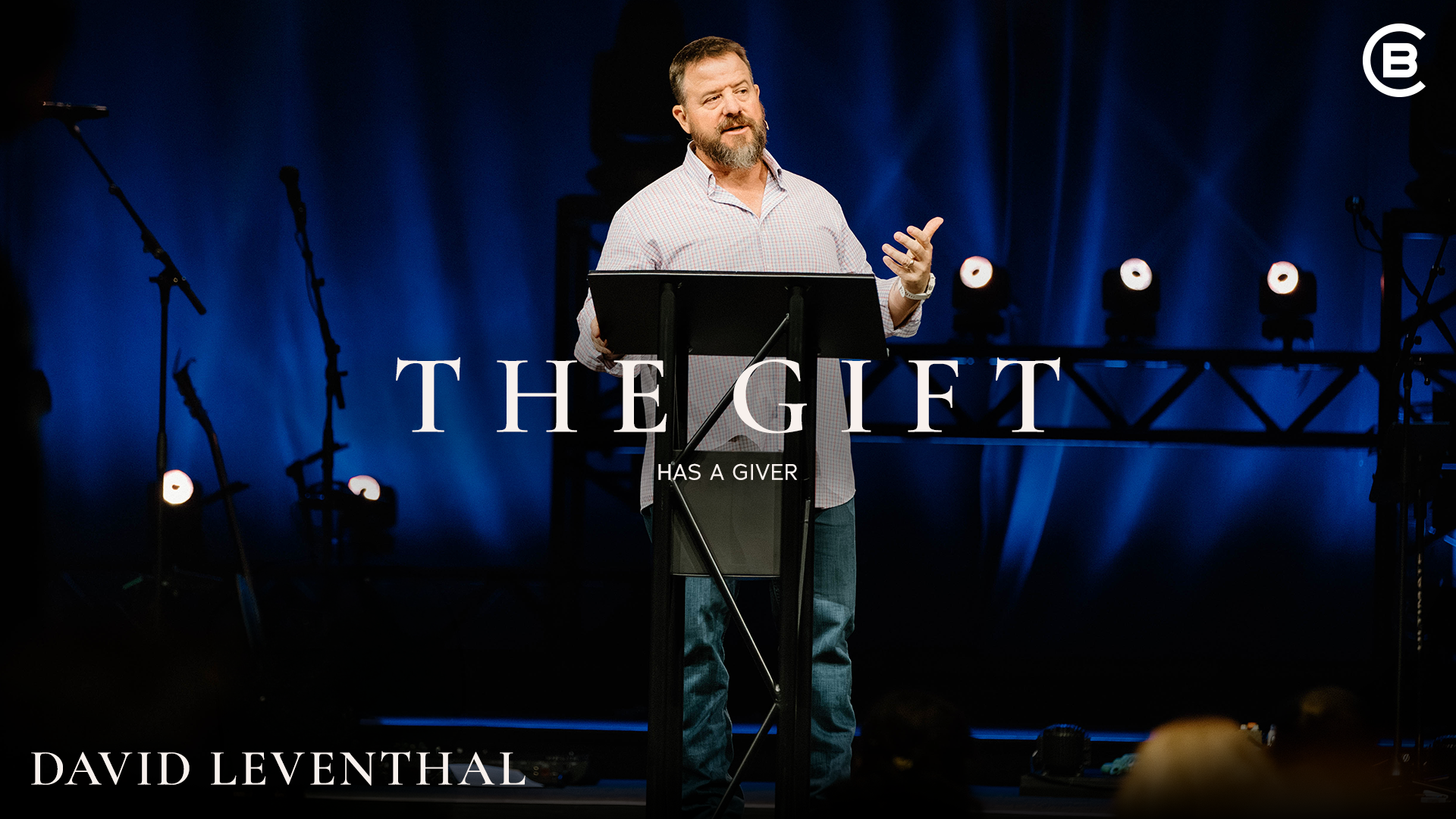
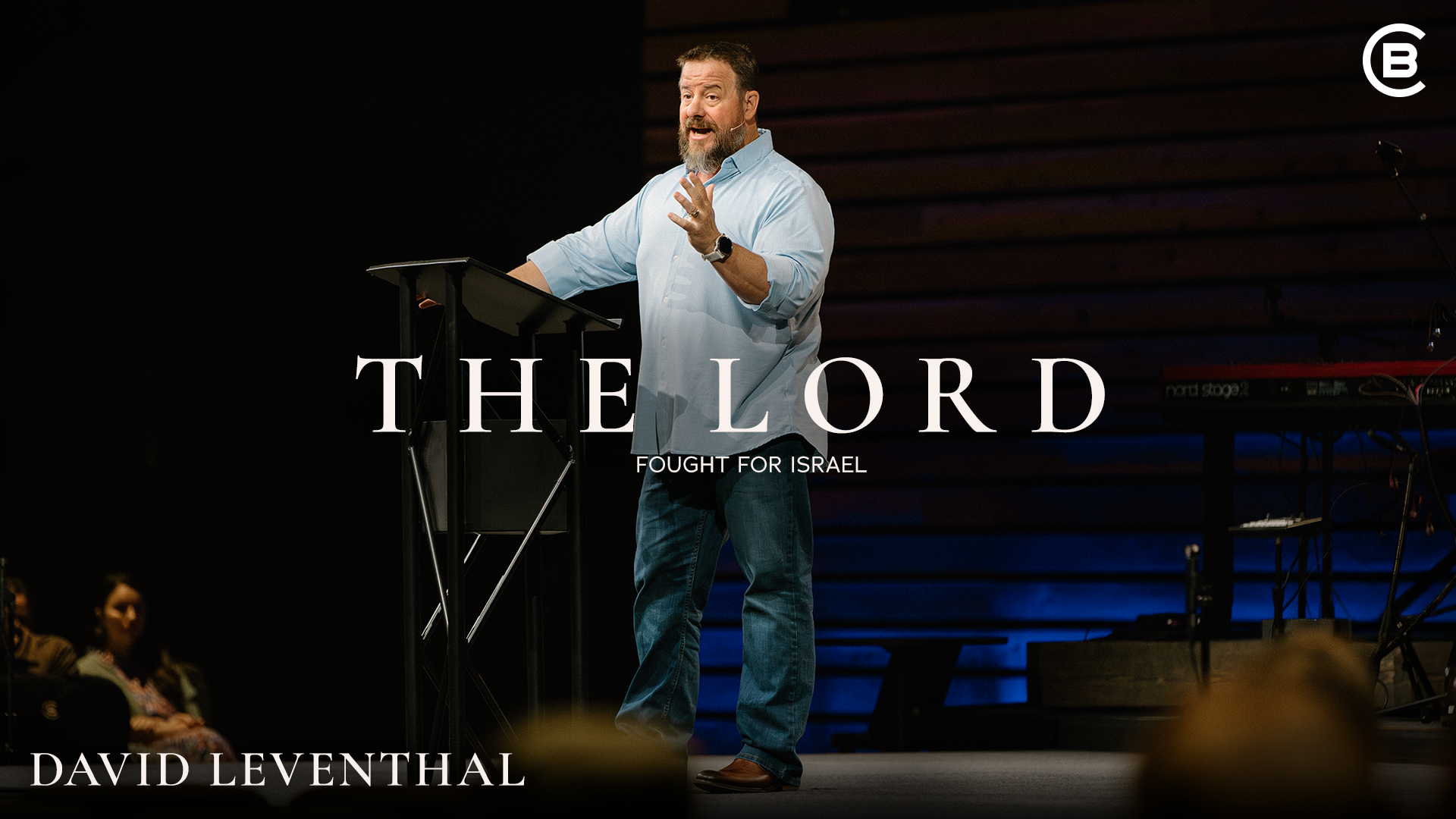
There's a three-verse passage in Joshua 5 that's easy to skip past on the way to the famous battle of Jericho, but David Leventhal makes the case that it might be the most important moment in the whole book. Joshua is standing in the no man's land just outside Jericho's walls when a stranger appears with a sword already drawn, and the question Joshua asks reveals something most of us do without realizing it. We approach God with our plans already made, our preferred outcome already locked in, and we're really just hoping He'll confirm what we've already decided. This message explores the difference between recruiting God for our agenda and actually surrendering to His. If you've ever caught yourself wanting a divine endorsement more than divine direction, this passage has something honest and important to say.
Key Takeaways
Our questions reveal the map we've already drawn. Joshua's "are you for us or for our adversaries?" wasn't a sinful question — it was just too small, built on a two-region map where everything was organized around his own agenda, and David points out that most of us come to God the same way.
God doesn't show up to join our army. He shows up as the Commander. The figure with the drawn sword isn't offering to get behind Joshua's campaign; he's revealing that a divine army is already assembled, already positioned, and already in motion around Jericho before Joshua ever walked out there.
Formation always comes before mission. David traces this pattern from Abraham to Moses to Paul to Jesus himself, showing that the slow, unseen, seemingly unproductive seasons aren't delays in God's plan. They are the plan.
The right question is not "God, are you with me?" but "Lord, what do you want from me?" Joshua's posture shifts completely in a single encounter, from commanding general to servant waiting for orders, and that shift is what makes everything that follows possible.
Obedience doesn't wait for a full strategy. Joshua walks back to camp with no battle plan in hand, just a clear understanding of who is actually in command, and the text says that was exactly enough.
Discussion Questions
When have you caught yourself coming to God with your mind already made up, hoping He would confirm what you'd already decided?
David describes "recruiting God" as prayer that's really lobbying, opening the Bible for a permission slip, and surrounding yourself with people who will quickly green-light what you've already decided. Which of those tendencies do you recognize most in yourself?
The sermon asks: the real question is never "which side is God on?" but "which side of God am I on?" How does that reframe a situation you're currently navigating?
Joshua's question was reasonable but too small. What "too small" question have you been asking about God's role in your life right now?
The holy ground outside Jericho wasn't sacred because of its location, but because God was present there. How does that change the way you think about the ordinary circumstances you're in right now?
Joshua left the encounter with no battle plan, just a clear sense of who was in command. Is there a situation where you've been waiting on a strategy when what you actually need is a surrender?
This Week's Challenge
Before you bring a decision or request to God in prayer this week, pause and honestly ask yourself: am I looking for direction, or am I looking for an endorsement?
Transcript
Formation Before Mission
We are eight weeks into a series in the book of Joshua, and this passage brings us to the end of the first major section of the book. Before we read the text, it's worth pausing to notice what the author has done. The book of Joshua covers roughly 25 years, about 9,125 days. The first five chapters cover only 14 of them. And yet those 14 days receive more than 3,000 words, about 218 words of biblical text per day. The rest of the book, the remaining 9,111 days, gets only about 1.6 words per day.
That is not an accident. The author is screaming, "Pay attention here. This matters." Before Israel could inherit the land, they needed to be formed. The most important battlefield was not the ground they were about to conquer. It was the ground inside their own hearts.
The Pattern Is Everywhere
Here's what's true about this formation-before-mission pattern: it is not unique to Joshua. It is the pattern all over Scripture. Romans devotes 73% of its words to theological foundation before a single sentence about how to live. Ephesians spends three full chapters on identity in Christ before telling anyone to walk differently. The structure keeps repeating because the author of Scripture keeps insisting: who you are before God shapes everything about what you do for God.
The pattern holds for individuals too. Abraham waits 25 years for Isaac. Joseph spends 13 years in slavery and prison before his rise to power. Moses spends 40 years in the wilderness before the burning bush. Paul spends 17 years in preparation before his first missionary journey. And the Son of God himself lives 30 years in obscurity in Nazareth, summarized in a single verse, before three years of ministry.
The Battleplan We Draw
Joshua walks out toward Jericho as the commanding general of Israel's army. He is the right man, the qualified man, and he is feeling the full weight of what lies ahead. Then a man appears with a sword already drawn. Joshua doesn't hesitate. He walks directly toward the armed stranger and asks the reasonable question: "Are you for us, or for our adversaries?"
The question is not sinful. It is just too small. Joshua has organized his entire operational reality into two regions: Israel on one side, Jericho on the other. And he wants to know where this figure fits on that existing map. The problem is that his "with us or against us" framework assumes he is the center of reference around which everything else has to be organized. It assumes his agenda is the one that matters most. And he is wrong.
Recruiting God
And if we're honest, we do this constantly. We walk into a conflict, a career decision, a parenting situation, a frustration with something in the church, and we approach it with our map already drawn. We want to know where God falls on our map. Are you for me in this or against it? You gonna support this? And here's what recruiting God actually looks like in practice: it looks like prayer that is really lobbying. It looks like opening your Bible for a permission slip rather than direction. It looks like surrounding yourself with people who will quickly green-light what you've already decided so you can say you've "processed it with community."
We can do all of that and still look spiritual. We can say "I'm trusting God, I'm following His lead" while functionally operating as the commander of our own lives who occasionally files a request upward. Joshua's too-small question is very often our question.
The Commander We Meet
The figure's answer doesn't pick a side. He says, "No; but I am the commander of the army of the LORD. Now I have come." The word translated "commander" describes the highest-ranking military officer who operates under a king. He is not joining Joshua's army. He is revealing that another army, the heavenly host, is already assembled, already positioned, already in motion around Jericho.
Joshua walked out believing the army that mattered most was the one camped behind him. He was wrong. The sword was drawn before he arrived. The mission was already underway. He was not launching anything. He was being invited into something already in motion. God is not a strategic asset waiting to be recruited. He is the Commander. And the question is not which side God is on, but which side of God we are on.
The Servant We Become
Joshua's response is immediate. He falls on his face and worships. And then the very next question out of his mouth is completely different from the first one: "What does my lord say to his servant?" Notice what has shifted. His first question was entirely framed around himself and his agenda. His second question is entirely about what the Commander wants. The leader of an entire nation has become a servant waiting for orders.
This is what it looks like when someone has actually encountered God rather than a theological concept about God. Scripture is pretty clear that one of the clearest indicators of where we actually are with the Lord is whether our default inclination is to ask "Lord, are you with me on this?" or "Lord, what do you want from me?" The response Joshua receives is not a battle plan. It is a command to remove his sandals because the ground is holy.
Holy Ground and Immediate Obedience
The command to remove his sandals is almost word for word what God said to Moses at the burning bush in Exodus 3:5. That is not a coincidence. The author of Joshua is intentionally placing Joshua in Moses' position. What God did through Moses at the beginning of the Exodus, He will do through Joshua at the beginning of the Conquest.
The ground outside Jericho was not holy because of its location. It was holy because God was present. Holiness is not a property a place possesses on its own. It is conferred on whatever God inhabits. The sandals were not a religious ritual. They were the most immediate, physical way of acknowledging that something fundamental had changed.
The passage ends with four words: "And Joshua did so." No debate, no hesitation. He walked back to camp as a subordinate, no battle plan in hand, just a clear understanding of who was actually running things. And on that foundation, the entire conquest of the Promised Land was built.