When God Leads His People
Sermon Notes
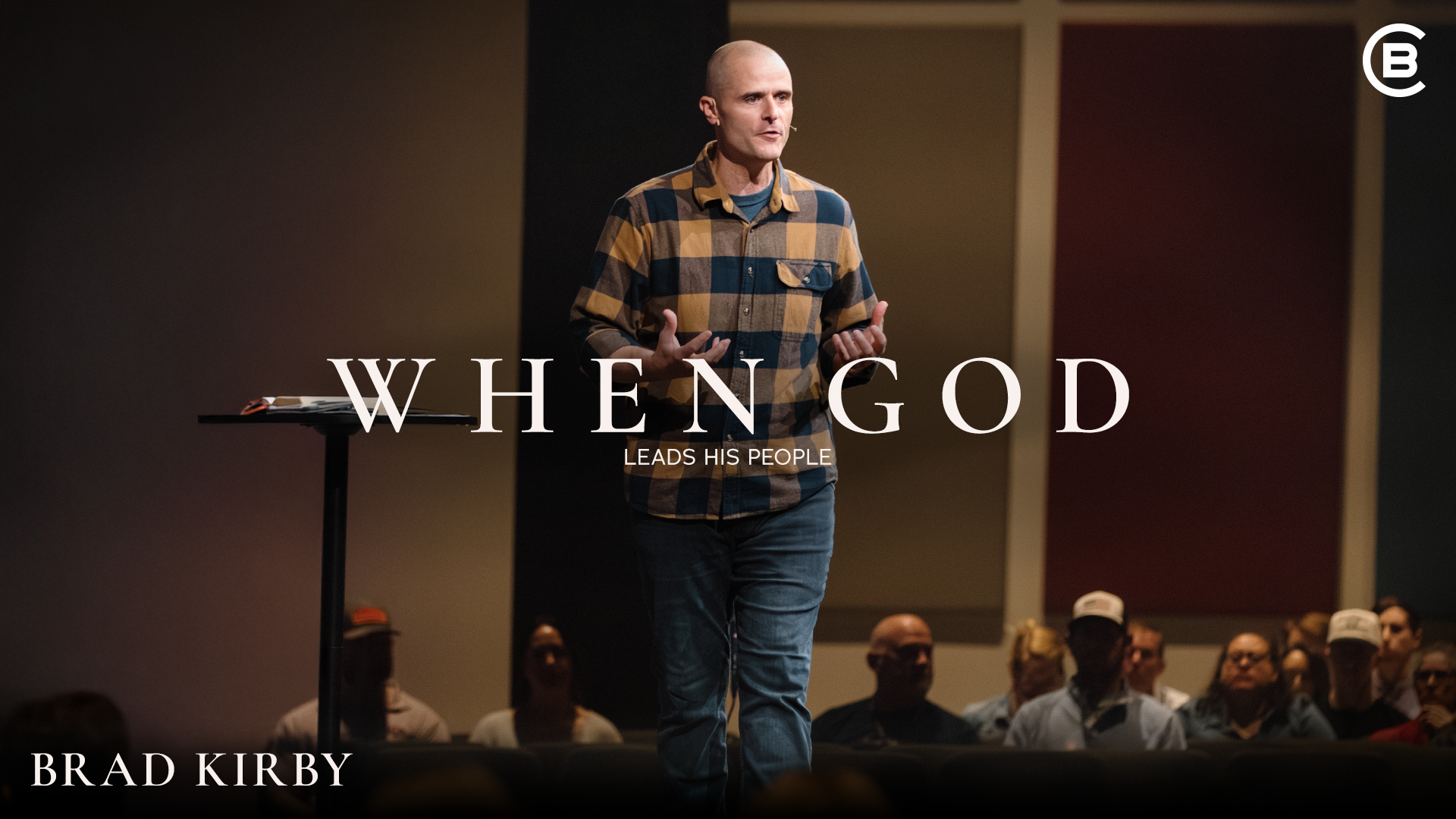
Joshua 3 captures one of the most dramatic moments in all of Scripture — an entire nation standing at the edge of a flooding river with no way across, waiting on God to move. In this message from the Joshua: Formation series, Brad Kirby draws out four timeless truths about what it actually looks like when God leads His people forward. The big idea is simple but challenging: God doesn't remove the river — He calls us to trust Him enough to step into it. Whether you're facing a season of uncertainty, feeling stuck, or sensing God nudging you toward something new, this message speaks directly to the moment when faith has to show up before the way is clear.
Key Takeaways
When God leads, He often leads into unfamiliar places. Israel had spent forty years in the wilderness — it was all some of them had ever known. Now they stood at the edge of the Jordan and heard Joshua say, "You have not passed this way before." God's people have always been people on the move, and following Him almost always requires stepping into territory we've never seen.
When God leads, His presence leads the way. The priests carried the Ark of the Covenant into the river first — the people followed. Israel didn't lead God anywhere; God led Israel through. The same is true for the church today. Disciple-making isn't sustained by strategy or personality. It's sustained by the presence of Christ with His people.
When God leads, He calls His people to consecrate themselves. Before the miracle happened, before Israel crossed a single step, God called them to prepare their hearts. Consecration means removing what gets in the way — persistent sin, habits that slow us down, anything that pulls our attention away from what God is calling us to do. Holiness doesn't hinder mission. Holiness fuels it.
When God leads, faith takes the first step. The priests had to walk into a flooding river before a single drop of water moved. The miracle came after the step, not before. That's how faith works — it obeys before the results are visible. We're often waiting for the river to stop before we move. God is asking us to step in first.
When God leads, He makes a way where none exists. The moment the priests' feet touched the water, the Jordan stopped. The whole nation walked across on dry ground. The same God who parted the Jordan has all authority over every impossible situation His people face today. Our job isn't to control the outcome. Our job is to take the next step of obedience.
Discussion Questions
Brad pointed out that God's people have always been a people on the move. Where in your own life have you felt God calling you to step into something new or unfamiliar?
The list in the message compared Israel's obstacles to ours — flood-stage rivers versus awkward conversations, giants versus the send button on a text. What's your honest version of that list right now?
Joshua told Israel to consecrate themselves before God moved. Is there anything in your life right now that you know is slowing down your pursuit of Christ — a sin pattern, a habit, or even something that isn't wrong but is taking up too much space?
The priests had to step into the flooding river before anything changed. Where are you waiting for the way to be clear before you take the step — and what would it look like to step in first?
Brad said, "Holiness doesn't hinder mission — holiness fuels it." How does that reframe the way you think about your personal walk with Jesus in relation to reaching others?
The message ended with the reminder that the same God who stopped the Jordan is still at work today. What would it look like for your faith right now to be defined more by what God can do than by what you can't?
This Week's Challenge
Identify one specific step God has been asking you to take, and take it before next Sunday.
Transcript
Standing at the Edge
Israel had been camped at Shittim since defeating the Amorite kings Sihon and Og. After traveling seven miles through the hot, rugged Jordan valley, they finally arrived at the banks of the Jordan River — and waited. Some of these people had spent their entire lives in the wilderness. They had heard stories of Egypt and the plagues and the Red Sea, but they had never seen the Promised Land.
Now they were staring at the Jordan River at flood stage — ten to twelve feet deep in places, rushing debris downstream like battering rams. Families, children, elderly people, livestock, tents, possessions — an entire nation had to get across. And for three days they simply camped and watched the water.
Three Days
The phrase "three days" keeps showing up in the text, and it's worth slowing down to notice. In Joshua 1:11, the people are told to prepare to cross within three days. In Joshua 3:2, after three days of lodging at Shittim, the officers go through the camp again. And in Joshua 2, the spies spent three days hiding before returning.
Many scholars understand these as separate three-day periods: the spies hiding in the hills, then the nation arriving and waiting at the river. That's a long stretch of anticipation — standing in front of something impossible, with nothing to do but wait on God.
When God Leads Into Unfamiliar Places
Joshua tells the people something that had to land with weight: "You have not passed this way before." Crossing the Jordan wasn't just physical movement — it was a decisive transition. In Numbers, the Hebrew word for Israel's movement through the wilderness is nāsaʿ — to set out, to travel. But in Joshua 3, the word shifts to ʿābar — to cross over. Something fundamentally different was happening.
The Red Sea was about escape from slavery. The Jordan was about entering a new life — a new way of thinking, planning, and living as the people God had called them to be. The wilderness had been training. The Promised Land would be where they actually had to live out their calling.
Our Obstacles Are Smaller — The Call Is the Same
Brad made a comparison that's worth sitting with. Israel faced a raging river. We face an awkward conversation. They worried about chariots of iron. We worry about someone unfollowing us. They were staring at giants. We're staring at the send button on a text inviting someone to church.
It's convicting. God still calls His people to step forward in faith — to trust Him, to move when He leads, even when we don't know how everything will work out. Our fears look different from Israel's. But fear is still fear, and it will stop us if we let it. The question Joshua 3 forces us to ask is this: Will fear control us, or will faith lead us?
When God Leads, His Presence Leads the Way
Notice the order of the story: the Ark goes first, the people follow. Israel did not lead God into the river. God led Israel through it. Up to this point, God had guided His people by a pillar of cloud and fire. Now the Ark of the Covenant becomes the symbol of His leadership — the most sacred object in Israel, representing the very presence of God among His people.
The people were told to keep a distance of roughly half a mile from the Ark. Two reasons: it preserved reverence for God's holiness, and it ensured that everyone — the entire nation — could see the Ark clearly and know which direction to follow. Joshua's explanation: "So that you may know the way you should go."
The Ingredients That Move Us Forward
Following Jesus doesn't require a complicated strategy. Brad described it the way you'd describe making a good gumbo — a few essential ingredients, lived out consistently: the Word, prayer, obedience, and mission. None of those things sound dramatic. But when you put them together and let them shape your daily life, God moves people forward.
The deeper question for the church isn't what strategy we should use. It's whether we are following Jesus closely enough that His presence is actually leading us — fixing our eyes on Christ, trusting His Word over our own plans, depending on His Spirit before our own ability.
Consecrate Yourselves
Before the miracle happened — before the river stopped, before Israel moved — God gave a command through Joshua: "Consecrate yourselves, for tomorrow the Lord will do wonders among you." The Hebrew root qāḏaš is the same word behind holy, sanctify, sacred. To consecrate means to set something apart for God.
This was not new language for Israel. Before God appeared on Sinai, before Samuel anointed a king, before Hezekiah renewed worship — God called His people to prepare themselves first. Before God moved them forward externally, He wanted them prepared internally. Because sometimes the greatest obstacle to what God wants to do in our lives isn't out there. It's in here.
Removing What Gets in the Way
Consecration isn't only about adding spiritual practices. It's also about removing what slows us down. The writer of Hebrews says to "lay aside every weight, and sin which clings so closely." First, persistent sin — the habits and patterns that keep tangling us up in our walk with Christ. We can't run the race of faith with our shoelaces tied together.
But it's not only sin. A weight isn't always something sinful — it's something that slows us down spiritually. Habits, entertainment, priorities, or relationships that gradually pull our attention away from God's calling. They may not be evil, but if they're keeping us from running faithfully, they need to go. The honest question consecration asks is: Is there anything in my life slowing down my pursuit of Christ?
Faith Takes the First Step
One of the most striking details in Joshua 3 is the order of events. The priests had to step into the flooding river before anything changed. God told Joshua what was about to happen: the waters would be cut off the moment the priests' feet touched the water. Not before. After.
They were not told to wait for the river to stop. They were told to step into it. God chose the most impossible moment — flood stage, not low water — because He wanted His people to understand that their future in the land would depend entirely on His power, not their own.
Where We're Standing Right Now
Most of us don't reject the mission of making disciples — we delay it. We tell ourselves we'll share our faith when we feel more confident, invest in someone spiritually when life slows down, start discipling someone when we know more Bible. But that moment of perfect readiness rarely comes.
You feel the nudge to invite a coworker to church. You think about texting a friend who's struggling. You consider meeting with a younger believer to read Scripture together. You sense God prompting you to have a spiritual conversation with a neighbor. In moments like those, we're standing exactly where Israel stood — at the edge of the river. The priests didn't wait until the water stopped. They stepped in while it was still rushing.
God Makes a Way Where None Exists
Finally, the moment arrives. The priests carrying the Ark step into the water. And the river stops. The waters pile up upstream, the riverbed dries out, and the entire nation walks across on dry ground. The author slows the story down — the water is described as standing, rising, being cut off — layered language to make sure we don't rush past what happened. This was not coincidence. This was the hand of God.
The miracle revealed something about who God is: He is not distant, He is not powerless, He is the living God who rules over creation. And the Ark standing in the middle of the dry riverbed while the people crossed reminded Israel that God's presence was with them as they entered the land. The same is still true. When God calls His people into something that feels impossible, He is the one who opens the way. Our job is to take the next step of obedience and trust the God who makes a way.