Posts tagged Joshua
When God Calls Timeout

In the middle of a military campaign, Joshua stops everything and leads the entire nation 20 miles out of the way to a valley between two mountains. They still have a conquest to finish, but something more important is waiting. In Joshua 8:30–35, Brad Kirby shows why this unexpected pause is not a detour from the story of Joshua but the point of it. What Israel discovered between Mount Ebal and Mount Gerizim is what every follower of Jesus still needs: victory is sustained not by strength or strategy, but by continual dependence upon God.

Read More
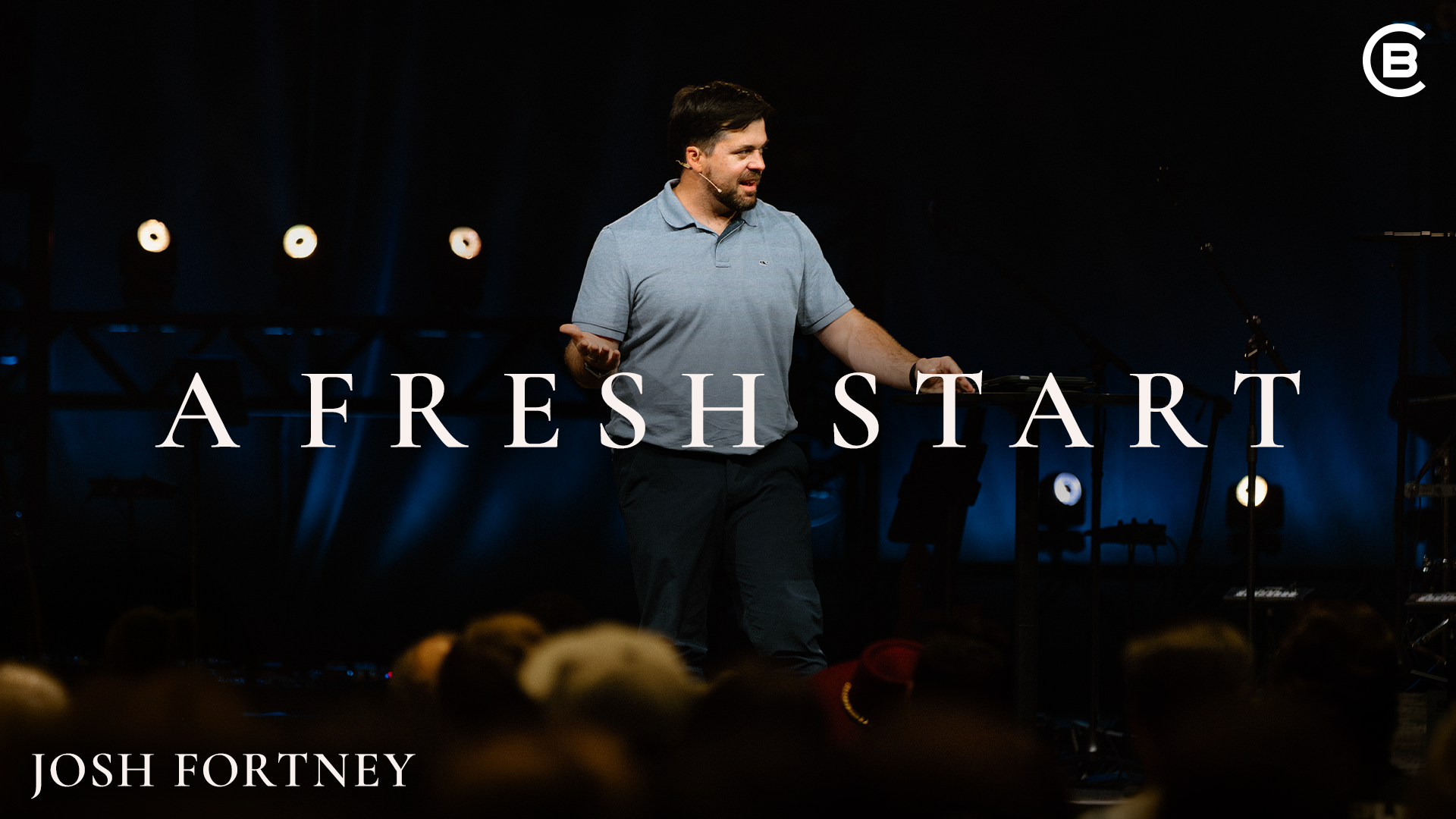
A Fresh Start

Israel walked away from their first battle at Ai in shame, thirty-six men dead and the city still standing. God's response isn't a lecture. It's a battle plan, a fresh assignment, and the same promise He made before any of it went wrong. In Joshua 8, Josh Fortney traces what unfolds when Joshua stops presuming on his own strength and actually follows where God leads, and why every victory God provides is designed to point us somewhere far greater than the battle itself.

Read More
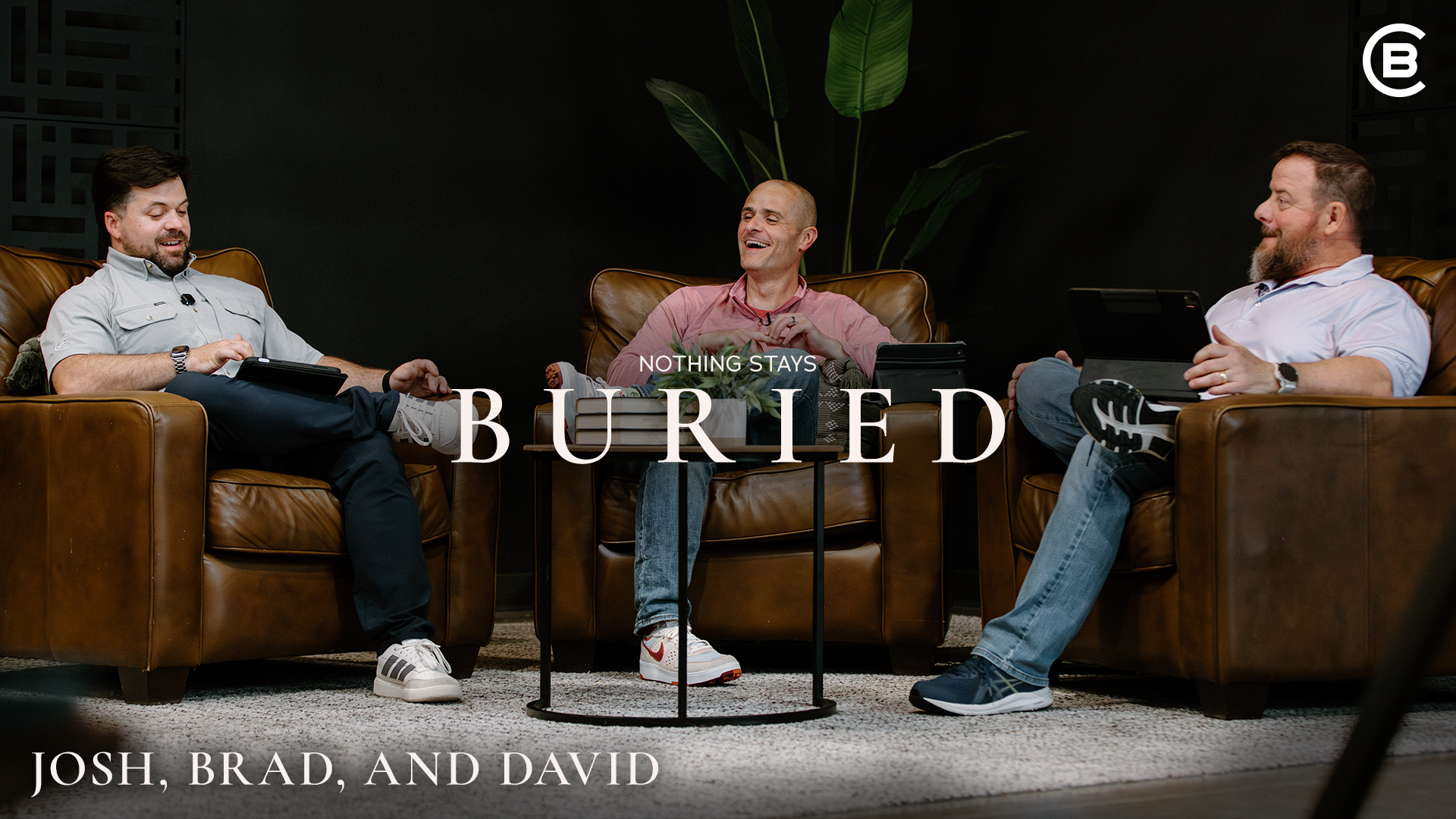
Nothing Stays Buried

One man takes what God set apart, buries it in his tent, and says nothing. Before Joshua even knows what has happened, thirty-six men are dead and an entire nation is asking what went wrong. Brad Kirby, Josh Fortney, and David Leventhal open Joshua 7 in a candid roundtable conversation, tracing how hidden sin breaks covenant, how overconfidence silently replaces dependence on God, and why his correction is always an act of love. The valley of trouble is not the last word.

Read More
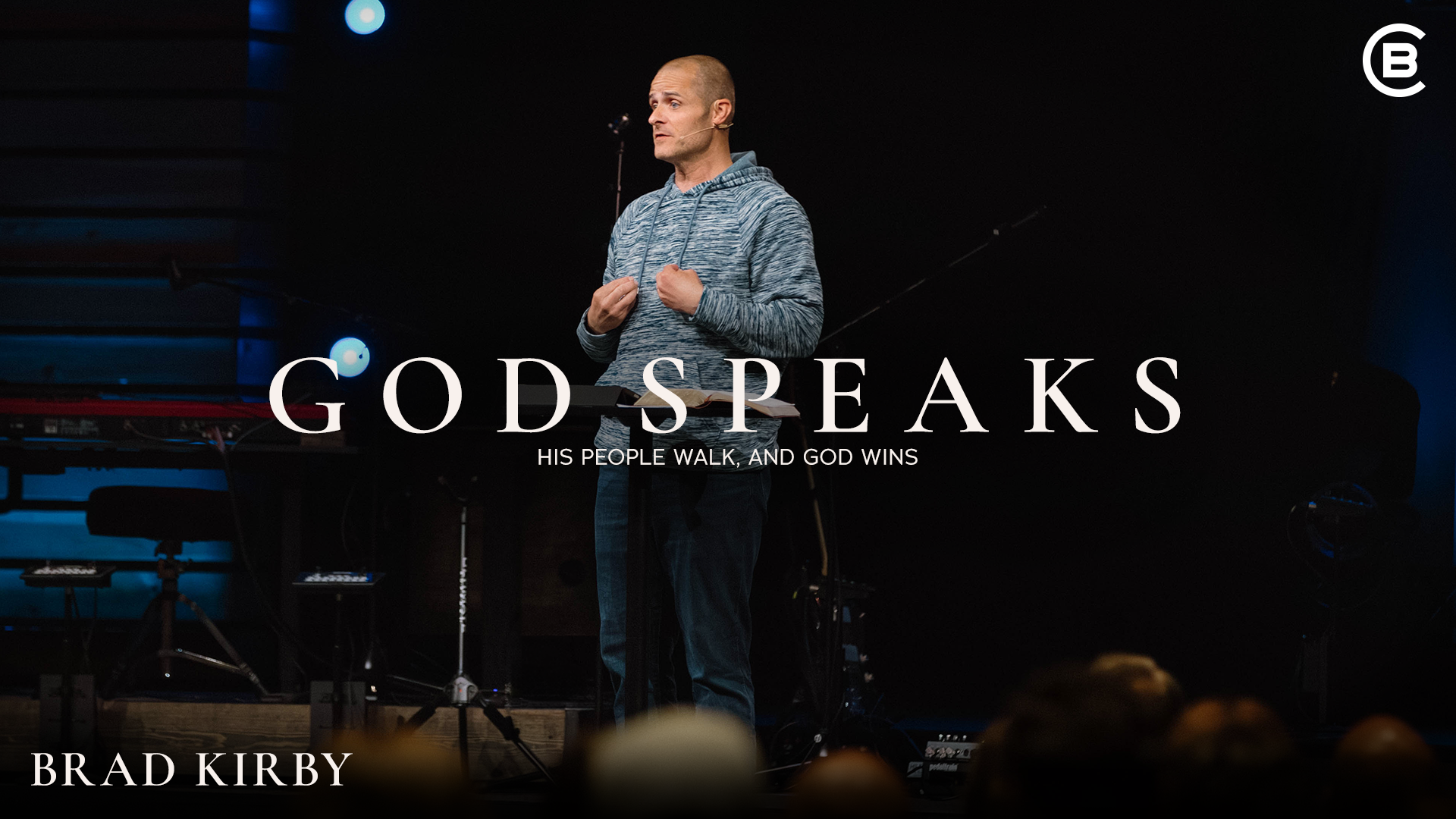
God Speaks, His People Walk, and God Wins

Israel stands outside the walls of Jericho, and God's battle plan is to walk in circles in silence. For six days, nothing changes: no cracks, no progress, no sign the walls are going anywhere. In Joshua 6, Brad Kirby traces the pattern underneath it all: God speaks His promises before anything visibly moves, His people walk in faithful obedience, and God wins a victory that only He could win. This message is for anyone whose obedience has felt routine lately, and whose walls are still standing.

Read More
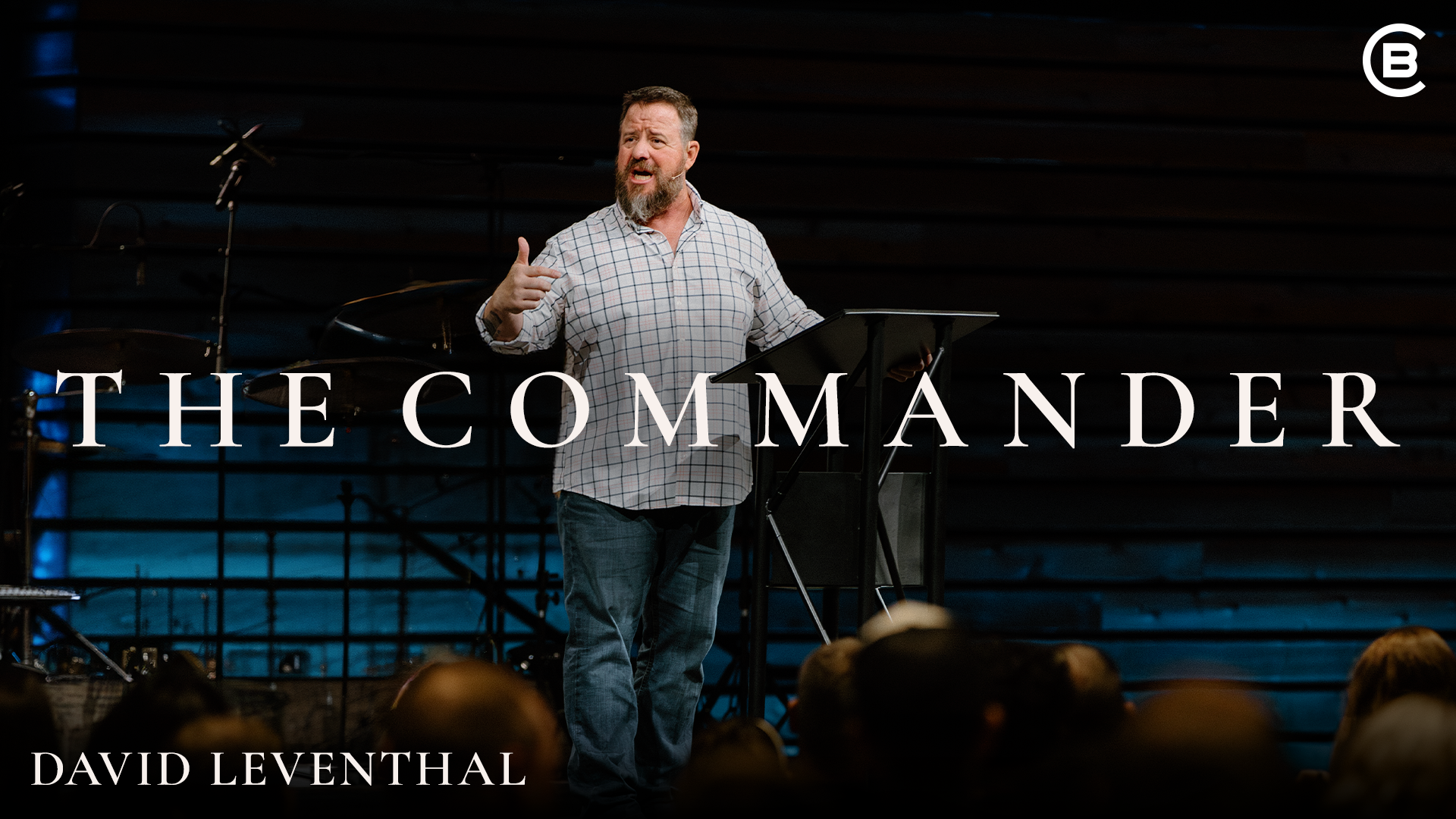
The Commander

Joshua is standing alone in the no man's land outside Jericho when a stranger appears with a sword already drawn, and his question about whose side the man is on turns out to be exactly the wrong question. Most of us approach God the same way, hoping He'll confirm what we've already decided rather than actually commanding us. David Leventhal walks through Joshua 5:13–15 and shows how one encounter in three verses reframes everything: the sword was drawn before Joshua arrived, the army was already assembled, and Joshua's job was never to launch the campaign but to take his place inside one already in motion. The question God is still asking today is the same one He put to Joshua: are you trying to get God on your side, or are you willing to get on His?

Read More
Different for the City

After forty years of wilderness, Israel finally sets foot in the Promised Land with victory within reach. But instead of advancing into battle, God stops everything to deal with something more fundamental than strategy. In Joshua 5:1–12, Brad Kirby shows why God insists on identity before activity and what it costs when His people forget whose they are. The challenge is as current as it is ancient: you will never truly engage the world around you if you've become indistinguishable from it.

Read More
What Do These Stones Mean?

Israel has just walked through the Jordan on dry ground, and God won't let them take another step without stopping first. Twelve stones, one from each tribe, pulled from the riverbed and stacked where everyone can see them. In Joshua 4, Josh Fortney unpacks why God commands His people to remember and how those stones were meant to start conversations that would carry faith to the next generation. The memorial points backward to what God did, but it also points forward to who He's calling His people to become.

Read More
When God Leads His People

After forty years in the wilderness, Israel finally reaches the edge of the Promised Land — and a flooded river stands in the way. In Joshua 3, Brad Kirby shows how God rarely clears the path before calling His people to walk it. When the priests step into the rushing water, the river stops — but not a moment before their feet are already wet.

Read More