Different for the City
Sermon Notes
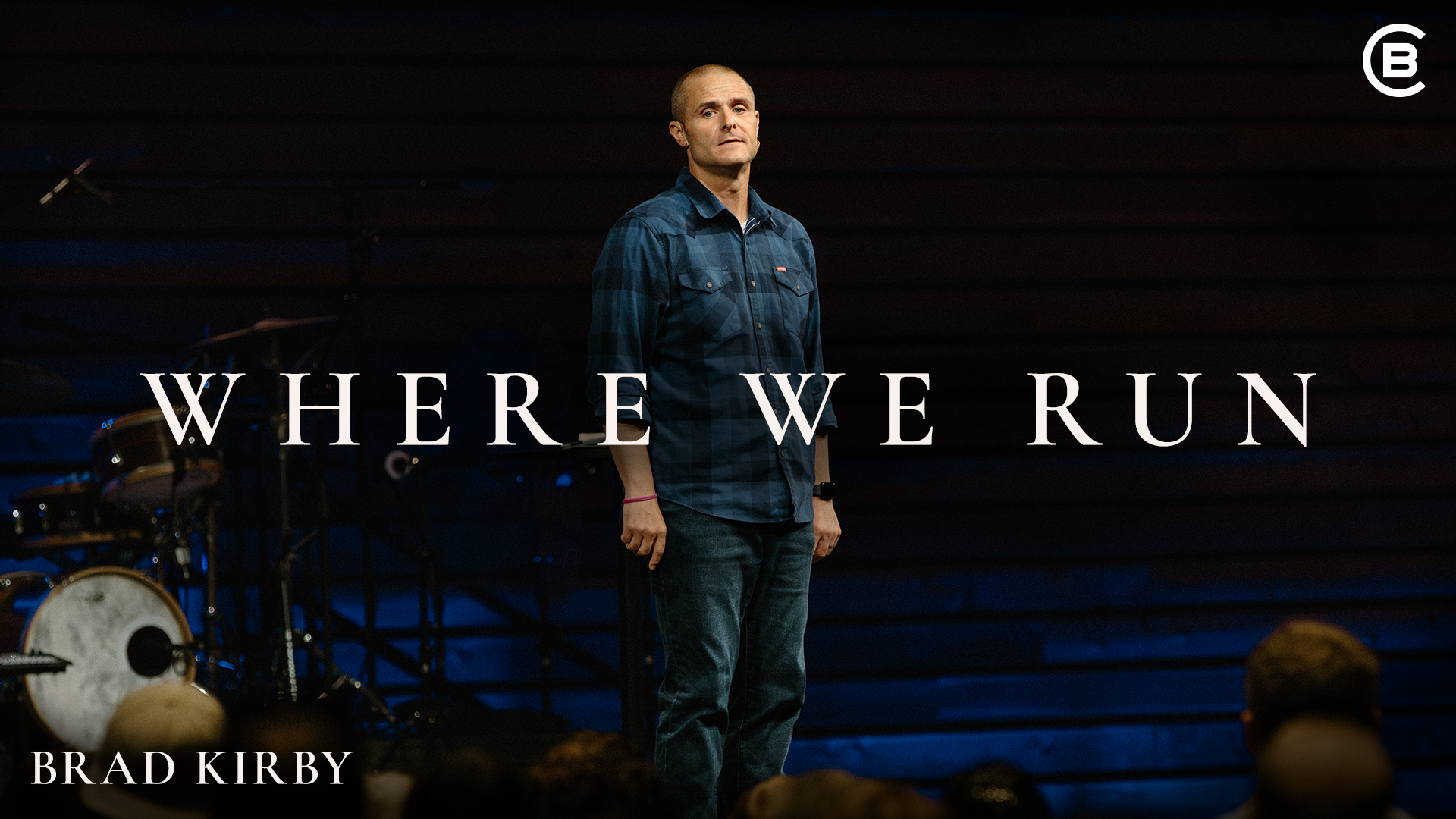
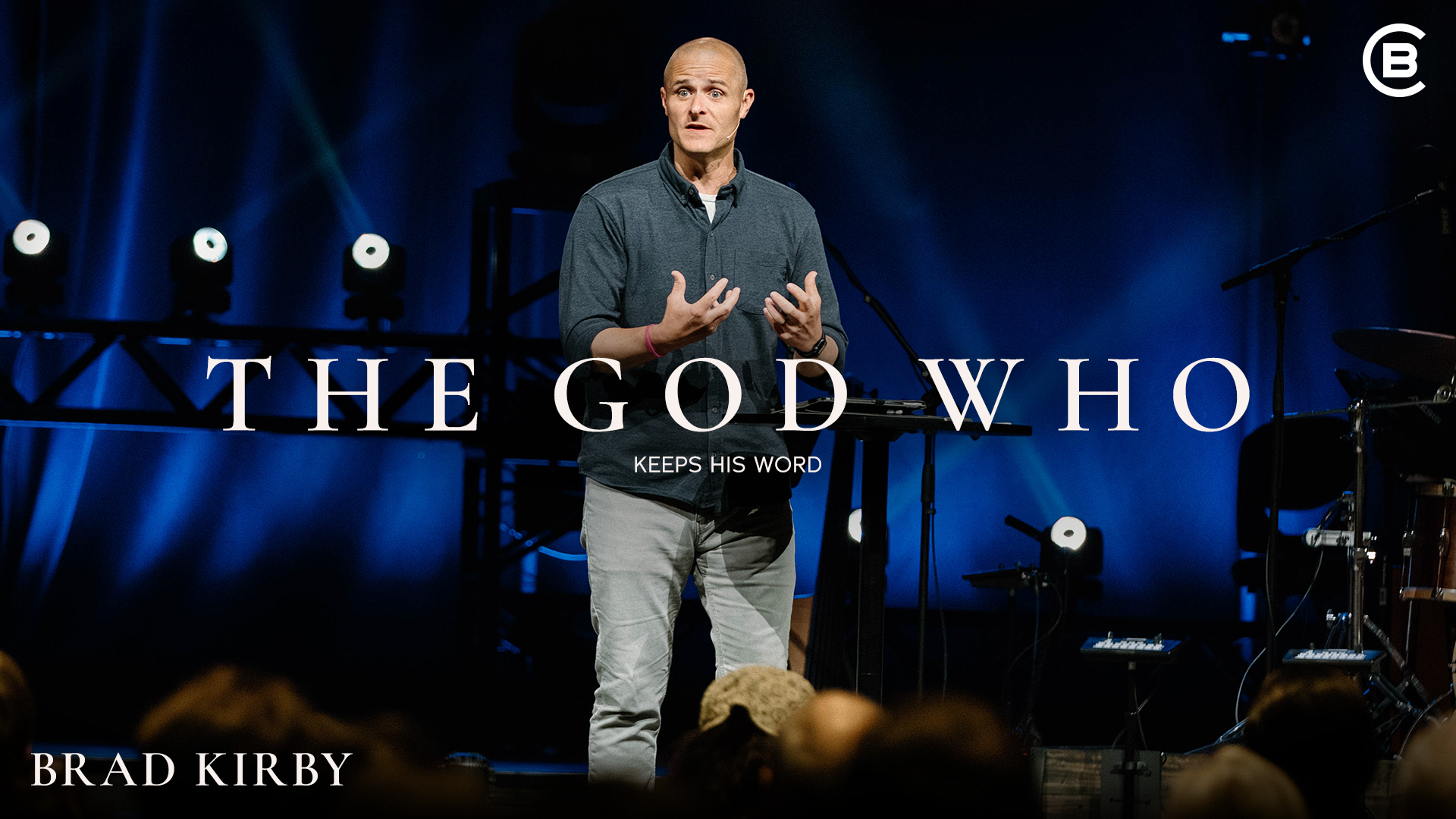
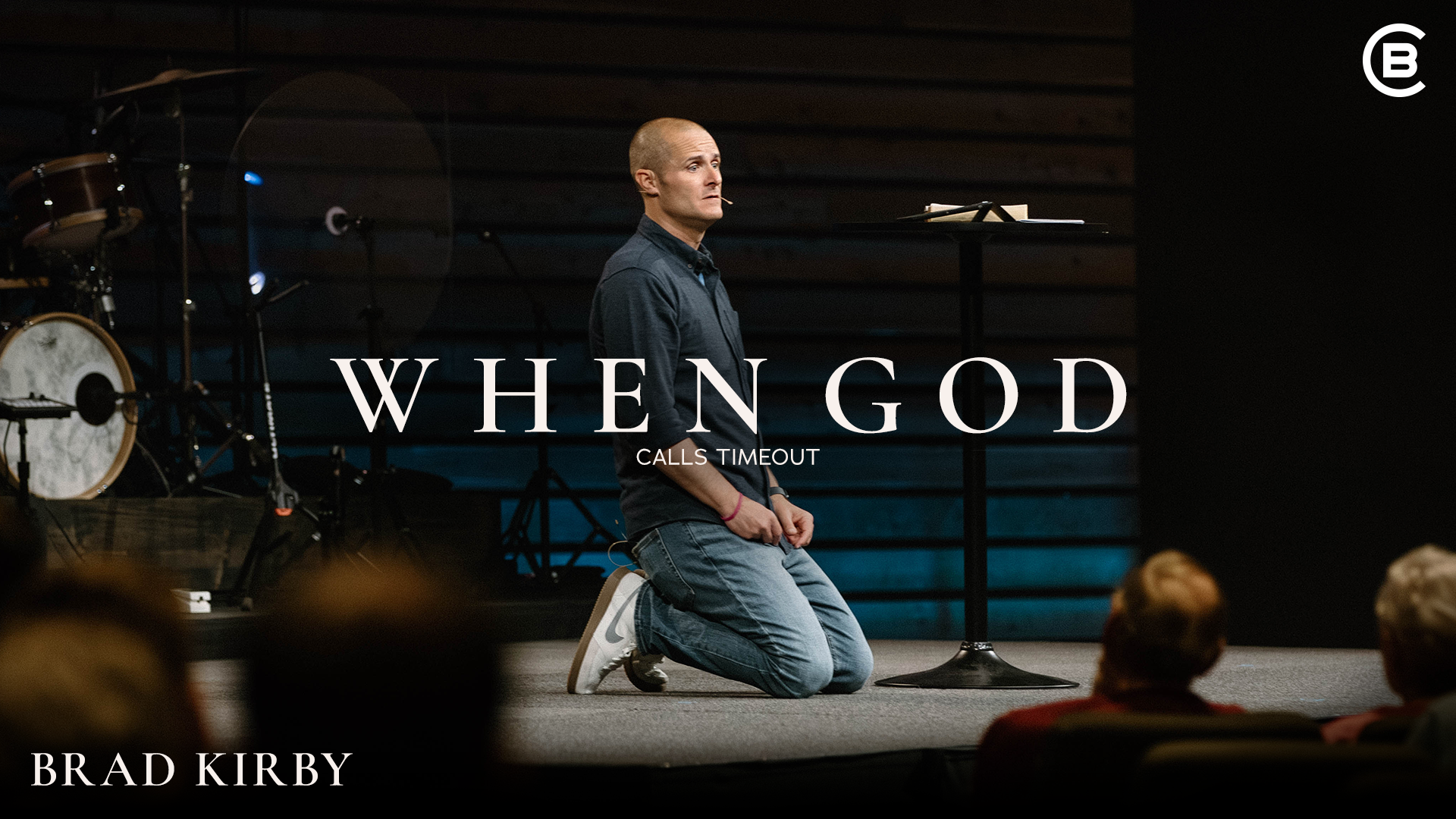
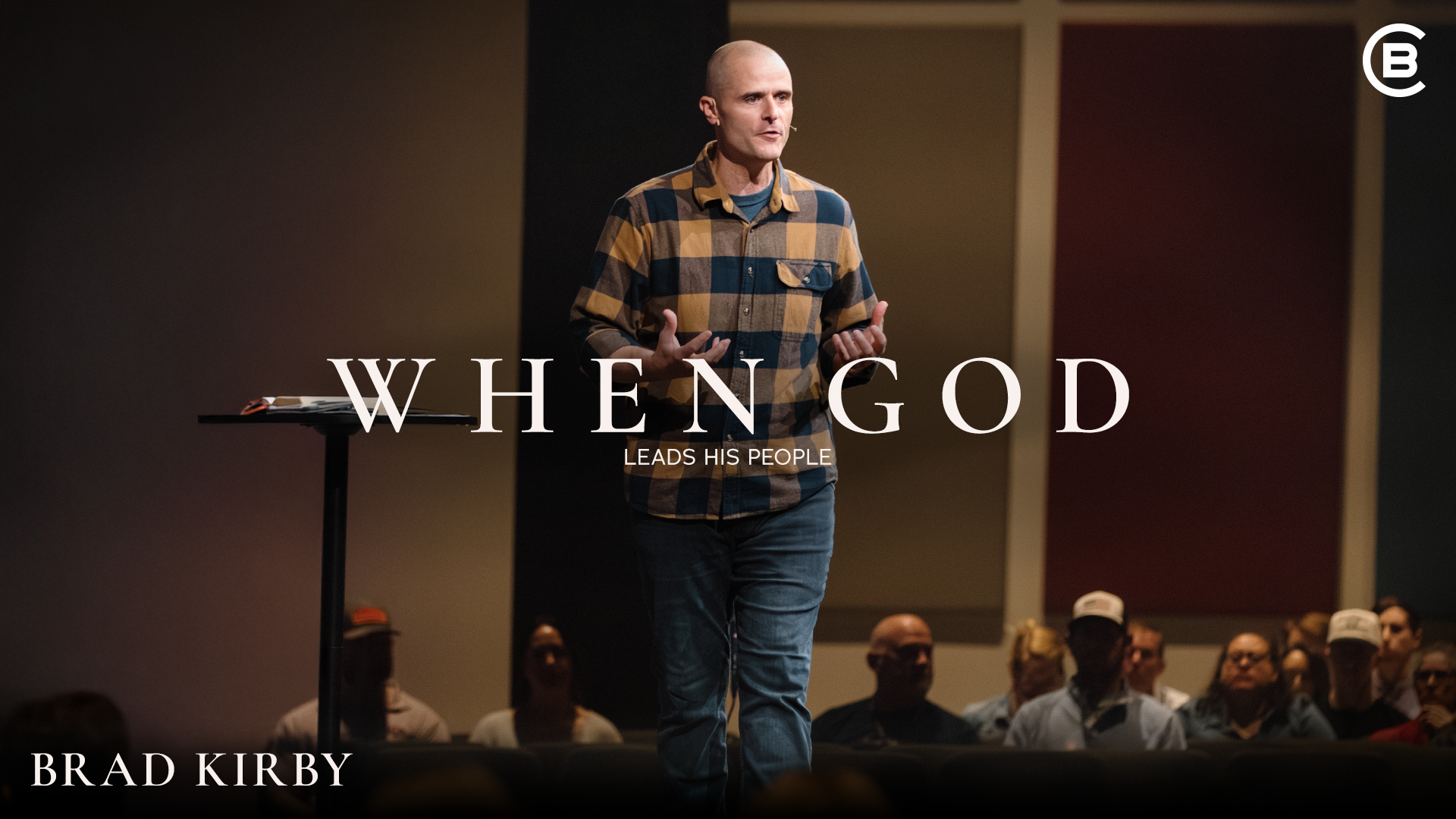
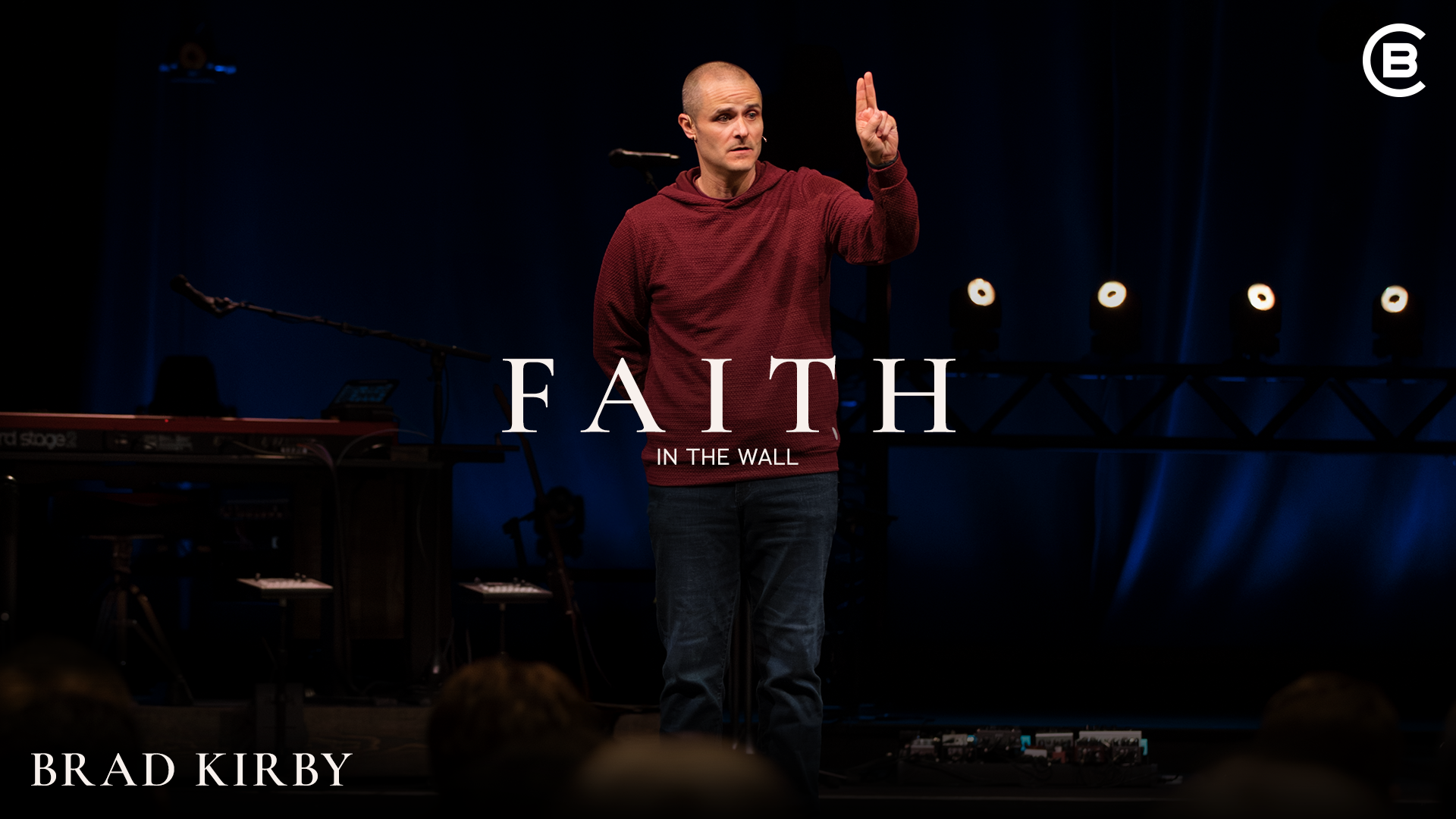
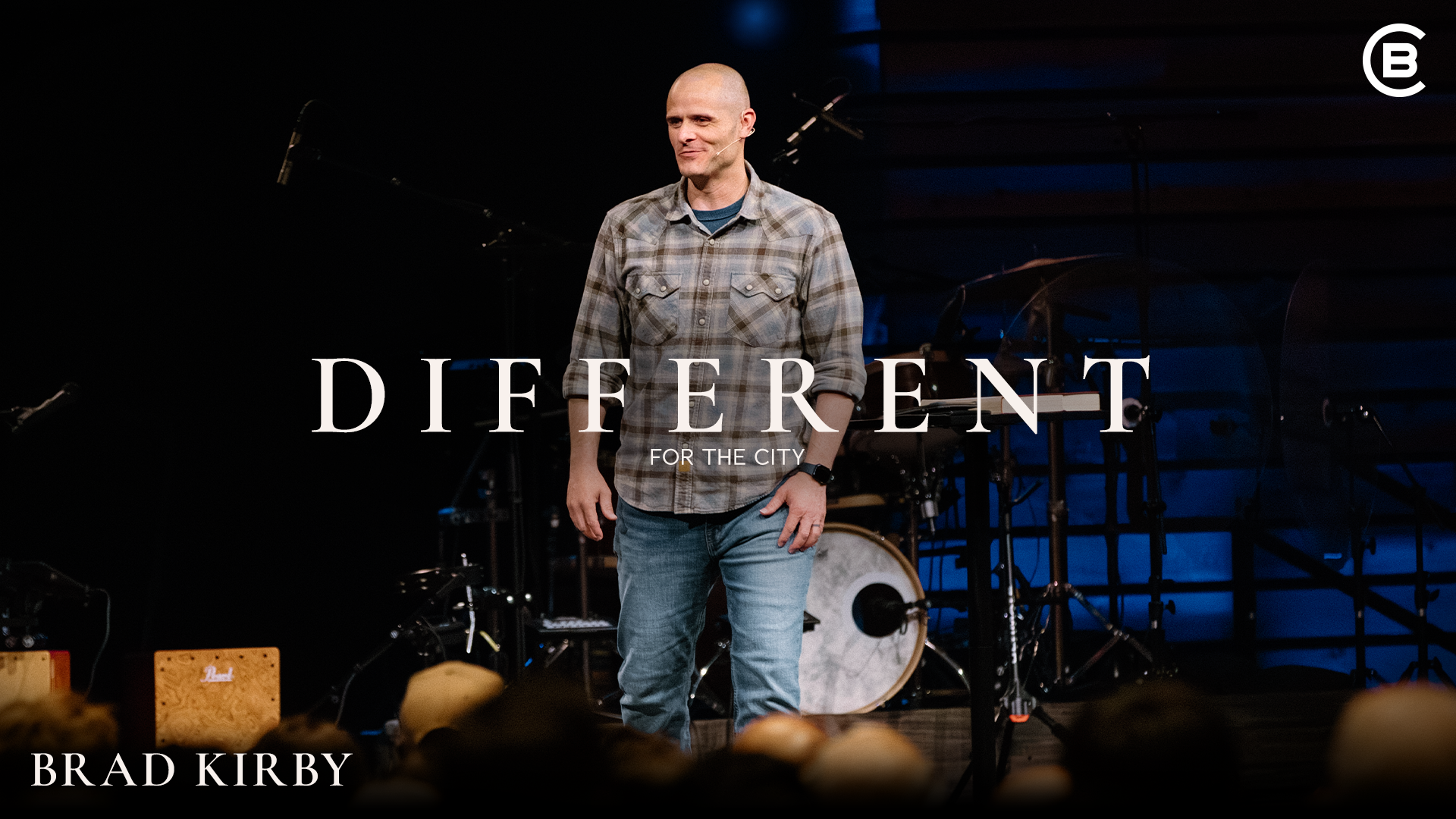
Israel has just crossed the Jordan River, forty years of wilderness behind them and the Promised Land finally under their feet. But in Joshua 5:1–12, instead of launching into battle, God stops everything. Brad Kirby walks through one of Scripture's most unexpected pauses to show why God is far more concerned with who His people are than what they accomplish. The message presses into a question most of us feel but rarely name: if God's people look like everyone else, think like everyone else, and live like everyone else, what exactly are we offering? This passage shows that being genuinely different isn't a barrier to reaching people around you. It's the whole point.
Key Takeaways
God marks His people before He moves them forward. Before Israel could take possession of the Promised Land, God paused everything to restore their covenant identity, because there is no mission without consecration first.
You don't live differently to become God's people. You live differently because you are God's. Distinctiveness is not something you achieve through better behavior; it flows from whose you are.
If you forget what God has done, you will start living like everyone else. Israel kept the Passover not as a tradition but as a lifeline, because forgetting the rescue would have cost them far more than a ceremony.
We are not different because we are better. We are different because we have been redeemed. The gospel is not just the beginning of the Christian life; it is the foundation that sustains all of it.
Freedom in Christ means you don't have to live like you're still stuck. When the manna stopped, Israel had to step into a new way of living, and God is calling us to do the same.
Discussion Questions
When have you felt the quiet pressure to blend in with the culture around you, and how did you respond?
Brad said, "If you don't know who you are, every situation will decide that for you." Where do you see that playing out in your own life right now?
Brad described the difference between circumcision (full obedience) and circumscription (partial obedience). In what areas are you tempted to draw a line around what you'll give to God?
How does regularly remembering what God has done for you actually change how you live day to day?
The message describes Christians trying harder in their own strength rather than living from the gospel. Do you recognize that pattern in your own faith?
What would it look like specifically for you to think differently, live differently, or love differently in one relationship or situation this week?
This Week's Challenge
Identify one area of your life where you've been blending in with the culture, and ask God to renew your mind in that specific place this week.
Transcript
You Forget Who You Are
Have you ever noticed how easy it is to forget who you are depending on where you are? At work you're one version. Around friends, another. At church, yet another. And if you live like that long enough, you start to lose sight of who you really are.
Growing up, I could always tell who my mom was talking to on the phone without ever hearing the other person. If there was even a hint of Cajun in her voice, I knew. That's family from South Louisiana. Same phone, same conversation, but a different accent depending on who she was around. If we're honest, we do the same thing. We adjust. We shift. We blend. And if we're not careful, we don't just adjust how we sound. We start adjusting who we are.
That's exactly the danger Israel was facing in Joshua 5. God knew something we often forget: if you forget who you are, you will start living like everyone else.
Marked By Him
Before Israel could advance into the Promised Land, God stopped everything. The hearts of the enemy had already melted. Joshua 5:1 tells us that. The timing looked perfect. And God said: stop. "Make flint knives and circumcise the sons of Israel a second time."
That feels backward. The opportunity was right there. But God says: not yet.
Here's why. A whole generation had not been circumcised. Circumcision wasn't just a ritual. It was the sign of the covenant, the visible mark that said these people belong to God. And God literally says: you will not move forward until you are marked as mine. Because identity always comes before activity.
God cares more about who you are before Him than what you accomplish for Him. Before there is conquest, there must be consecration. Before there is victory, there must be faithfulness.
The Heart of the Matter
This passage forces us to ask: what about us? The sign of the covenant has changed, but the principle has not. Colossians 2:11–12 tells us that in Christ, we have been circumcised with a circumcision made without hands, a putting off of the old sinful life, buried with Him in baptism, raised with Him through faith.
Baptism is now the outward sign of that inward reality. Just like circumcision marked Israel, baptism marks the believer. It says: I have died with Christ. I no longer rely on my own righteousness or live for myself.
There's a difference the Egyptians practiced called circumscription, a cutting around rather than a full cutting off. It's the difference between partial obedience and complete surrender. We do the same thing sometimes. We draw lines around what we'll give God and what we won't. God wanted full circumcision then, and He wants a fully surrendered heart now.
Redeemed By Him
After the marking comes the remembering. Israel stops, not to fight, but to celebrate Passover on the plains of Jericho. Before they take the land, they must first recall how they were saved.
God knows something about His people: if they forget the rescue, they will lose their identity. If they lose their identity, they will lose their obedience. And if they lose their obedience, they will lose the land.
In Egypt, judgment was coming, but God made a way. A lamb, blood on the door, and a promise: when I see the blood, I will pass over you. They weren't saved by their goodness. They were saved by the blood. Paul reminds us in 1 Corinthians 5 that Christ is our Passover Lamb.
The cross isn't where you start. It's what sustains everything. When we forget the gospel, we don't stop living. We just start living in our own strength instead of His. And eventually, we start looking no different from the world around us.
Living in His Freedom
For forty years, God had provided manna every single day. But Joshua 5:12 tells us that the day after the Passover, the manna stopped. Why? Because they were no longer in the wilderness. They had moved from survival to inheritance, and God expected them to live accordingly.
Here's the truth: God's people are different because they don't live like they're still stuck. Galatians 5:1 says, "For freedom Christ has set us free; stand firm therefore, and do not submit again to a yoke of slavery." If Christ has set you free, then live like you're free.
God has brought us into something new. But we keep reaching back for old habits, old thinking, old ways of living. Colossians 3 says to set your minds on things above, not on things on earth. The manna has stopped. It's time to step into what God has for you.
Think Differently. Live Differently. Love Differently.
Romans 12:2 says, "Do not be conformed to this world, but be transformed by the renewal of your mind." The word "conform" in Greek carries the idea of a scheme, a trap. The world is constantly working to make God's people look indistinguishable from it.
The answer isn't trying harder. It's renewal. Read the Word. Pray. Ask the Holy Spirit to shape your desires and renew your mind. Pursue Christ-exalting truth and pray for truth-embracing humility.
And then live differently. Not strange for the sake of being strange, not self-righteous. Distinct for a divine purpose. The way you speak, handle conflict, love the people around you, and walk in integrity, all of it matters. Jesus said it plainly in John 13:35: by this all people will know that you are my disciples, if you have love for one another. Your love is your witness. Think differently. Live differently. Love differently. The world will notice. We don't reach the city by becoming like it. We reach the city by being different in it.