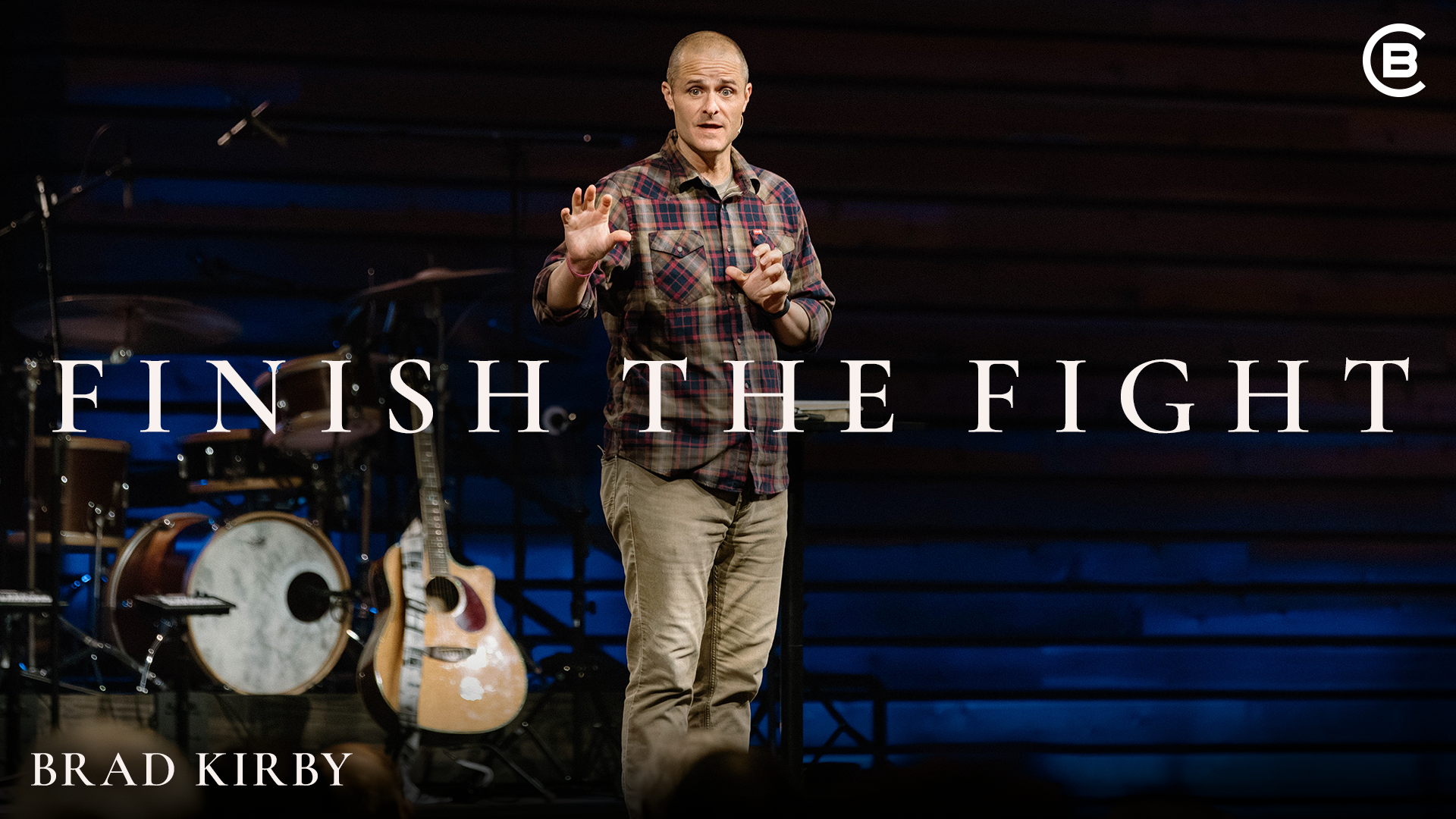
Finish the Fight
Sermon Notes
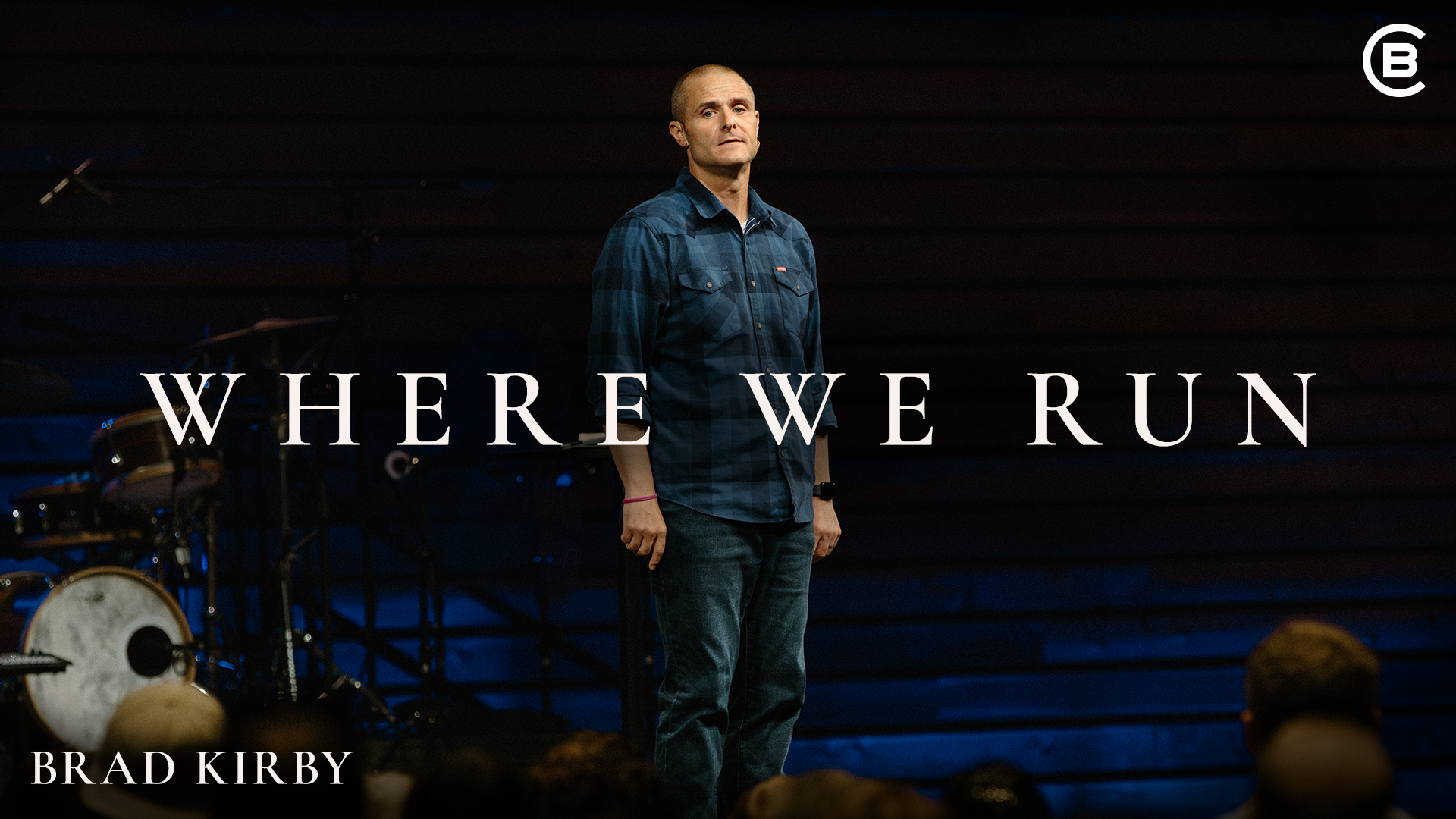
The battle of Gibeon is over. The sun stood still, hailstones fell, and five enemy kings are now sealed inside a cave. By every measure, Israel has won, and yet Joshua immediately tells his army to keep moving. In Joshua 10:16–43, Brad Kirby unpacks what God calls His people to do after He has already secured the victory: not coast, not strive, but move forward in faithful, full obedience. This message lands where a lot of us live — somewhere between believing Christ has won and actually living like it. Whether apathy or anxious striving has a grip on you, Joshua 10 has something to say.
Key Takeaways
Don't give throne-level fear to cave-level enemies. The five kings who launched the attack are now hiding in a cave, yet Israel is still tempted to be afraid of them. In Christ, sin has been defeated, condemnation has been canceled, and death no longer has the final word. The enemies that used to own you don't reign anymore. Stop treating them like they do.
God's victory is the foundation for action, not permission for apathy. Joshua doesn't celebrate one win and sit down. He moves from city to city until the Lord's command has been carried out. Christ's finished work at the cross isn't a couch to rest on; it's ground to stand on while you obey. Discipleship, holiness, mission, and making disciples are not optional extras for serious Christians. They are the shape of the Christian life.
Halfway obedience isn't faithfulness, it's a compromise with what God told you to confront. Joshua struck the whole land, the whole hill country, all their kings — nothing left untouched. God still calls us to bring every remaining pocket of resistance under Christ's lordship: hidden sin, bitterness, divided loyalty, the areas of life we have quietly kept off the table.
Return to rest, but don't confuse rest with laziness. After the whole southern campaign, Joshua simply returns to camp at Gilgal. No monument, no long speech. Just return. The same God who called Israel to fight also called them to rest in His provision. Christian obedience flows from rest already secured by Christ, not toward rest you're still trying to earn.
Discussion Questions
God's promise didn't make Israel sit down; it made them move. Where in your life has belief in a truth not yet led to action on that truth?
The message described two ditches: apathy (“Jesus has won, so I don’t have to do anything”) and anxious striving (“it all depends on me”). Which ditch do you tend to fall into, and what does that look like in your daily life?
Joshua put Israel’s leaders’ feet on the necks of the defeated kings and said, “Do not be afraid.” What “defeated enemy” are you still giving fear to — condemnation, shame, a past failure, a sin pattern — that Christ has already conquered?
Brad asked where we've stopped short of full obedience and made peace with partial surrender. Is there an area of your life — a habit, a relationship, a private compromise — that God has been prompting you to deal with but you've been managing instead of mortifying?
We should fight sin, pursue holiness, and make disciples from victory, not toward it. How does knowing the outcome is already secure change the way you approach the hard parts of following Jesus?
Who in your life needs to hear the gospel, and what's actually keeping you from sharing it with them?
This Week's Challenge
Identify one area where you've been passive in your discipleship and take one concrete step of obedience this week — open the Word, have the conversation, confess the sin, serve the person, make the call.
Transcript
What Last Week Established
Last week, we saw what happened when the Amorite kings gathered against Gibeon and Joshua answered the call. Israel marched twenty-two miles through the night, uphill, carrying weapons. Their obedience was costly. Their effort was real. But the point was never how strong Israel was.
The point was that the Lord fought for Israel. He threw the enemy into panic. He hurled hailstones from heaven. He stretched the day itself so Israel could finish the battle. And verse 14 gave us the sentence we were meant to carry home: "There has been no day like it before or since, when the LORD heeded the voice of a man, for the LORD fought for Israel."
What This Week Forces Us to Answer
But Joshua 10 does not end in verse 15. The sun has stood still. The hailstones have fallen. The enemy has run. But there are still kings hiding in caves and cities left to confront. So here is the question this passage forces us to answer: what do you do after God has already given the victory?
What do you do when the decisive word has been spoken, but there is still obedience to carry out? What do you do when God has promised the outcome, but He still calls His people to march, fight, confront, and finish? That is exactly where Joshua 10:16–43 takes us.
The Ultimate Battle Has Been Won
If you are in Christ, the decisive victory has already been won. At the cross and through the resurrection, Jesus has conquered sin, death, Satan, and every power that stands against His people. The outcome is not uncertain. The final word has already been spoken.
But defeated enemies still have to be dealt with. Sin still resists. Fear still shouts. Temptation still hides in caves. And the Christian life is not only a battle against the sin that remains in us — it is also a mission given to us. Jesus did not say, "Get saved, get comfortable, and wait this thing out." He said, "Go therefore and make disciples of all nations." That is the job description of the church.
Courage: Don't Fear Defeated Enemies
When Joshua hears that the five kings have been found hiding in a cave at Makkedah, he does something important. He does not stop the battle to deal with them. He rolls stones against the mouth of the cave, posts guards, and says, "Do not stay there yourselves. Pursue your enemies. Do not let them enter their cities, for the LORD your God has given them into your hand."
Joshua refuses to let defeated kings distract Israel from unfinished obedience. The kings are trapped. Their power has already been broken. And God's promise does not make Israel sit down; it makes them move.
Feet on the Necks of Defeated Kings
Then Joshua brings the five kings out of the cave and tells Israel's military leaders to put their feet on their necks. In the ancient world, that was a public symbol of total conquest. The one who threatened you is now powerless beneath you.
Joshua is preaching a visual sermon. He is saying, "Look at them. These are the kings you were afraid of. This is what the Lord has done to them." And then he says, "Do not be afraid or dismayed; be strong and courageous. For thus the LORD will do to all your enemies against whom you fight." He says that while the kings' necks are under Israel's feet. Courage is the right response when God has already decided the outcome.
Action: Don't Confuse Victory With Inactivity
Beginning in verse 28, the pace changes. Makkedah. Libnah. Lachish. Eglon. Hebron. Debir. Joshua keeps moving. He does not stop after the miracle. He does not stop after the cave. He does not stop after one city and call it good enough.
And the text is intentional about this: "The LORD gave Lachish into the hand of Israel… and he struck it with the edge of the sword." Which is it? The Lord gave the victory, or Joshua acted in obedience? Yes. The Lord gives, and Joshua moves. Divine victory and human obedience are not enemies. God's promise does not erase human responsibility. It fuels it.
Jesus Did Not Save Us Into Apathy
Christ has won the decisive victory through His death and resurrection. But that does not mean the church sits down and waits for heaven. It means we move forward in faithful obedience. And if we are honest, a lot of what passes for Christianity in the West can be deeply passive. We can treat salvation like a ticket and then coast until we get there.
But Jesus did not save His church into apathy. He saved us into holiness. He saved us into mission. He saved us to be a people who put sin to death and make disciples. So we fight sin from victory. We share the gospel from victory. We make disciples from victory. The battle belongs to the Lord, but the people of God do not sit still.
Completion: Don't Stop Short
Verses 40–42 give us a summary of the whole southern campaign. "So Joshua struck the whole land, the hill country and the Negeb and the lowland and the slopes, and all their kings. He left none remaining, but devoted to destruction all that breathed, just as the LORD God of Israel commanded."
The key phrase is "just as the LORD God of Israel commanded." Joshua is not making up his own standard for how much obedience is enough. The standard is the command of the Lord. He struck the whole land; not mostly, not selectively, not in the easy places only. The same passage that calls us to obey also refuses to let us negotiate the terms.
Where We Stop Short
We are often tempted to obey God in general while keeping one cave untouched. We want to follow Jesus publicly while protecting one private compromise. We want to grow in holiness while preserving one sin pattern. We say the Great Commission matters while treating disciple-making like it belongs to someone else.
Joshua 10 presses the question: where have you stopped short? Where have you accepted partial obedience as normal? Hidden sin you manage instead of mortify. Bitterness you confess vaguely but protect specifically. Fear that keeps you from stepping into what obedience looks like. Full obedience means every part of life comes under the lordship of Christ, not just the easy parts.
Rest: Don't Strive as Though the Victory Depends on You
After everything — the all-night march, the hailstones, the five kings, the southern campaign, city after city — verse 43 ends with this: "Then Joshua returned, and all Israel with him, to the camp at Gilgal." No long celebration speech. No military parade. Just return.
Gilgal was the place of covenant identity and dependence on the Lord, where Israel was circumcised after crossing the Jordan, where they kept the Passover in the land. When Joshua returns there, the chapter does not end in restless striving. It ends with God's people coming back to the place of covenant rest.
The Two Ditches
The same passage that refuses passivity also refuses self-reliance. There are two ditches. One is apathy ("Jesus has won, so I don't need to grow, serve, or make disciples”). The other is anxious striving ("It all depends on me. If I don't hold everything together, it will fall apart”).
Joshua 10 will not let us go to either place. The Lord fought for Israel, and Israel moved. But the Lord fought for Israel, and Israel returned to Gilgal. So the Christian life is not passive apathy and it is not anxious striving. It is active, obedient, dependent rest.
We Return to Christ
Christian obedience is not frantic labor to earn rest. It flows from rest already secured by Christ. "Come to me, all who labor and are heavy laden, and I will give you rest." He gives rest, and then He calls us to walk with Him. We obey, but we obey by His grace. We fight sin, but we fight from victory. We make disciples, but we do so under His authority.
Joshua returned to Gilgal. And we return to Christ. To the finished work of Jesus, to the empty tomb, to the promise that there is no condemnation for those who are in Christ Jesus. So finish the fight. Do not fear defeated enemies. Do not stop short. But do not strive as though the victory depends on you. Christ has won. Christ is with you. Christ will finish what He started.