When God Calls Timeout
Sermon Notes
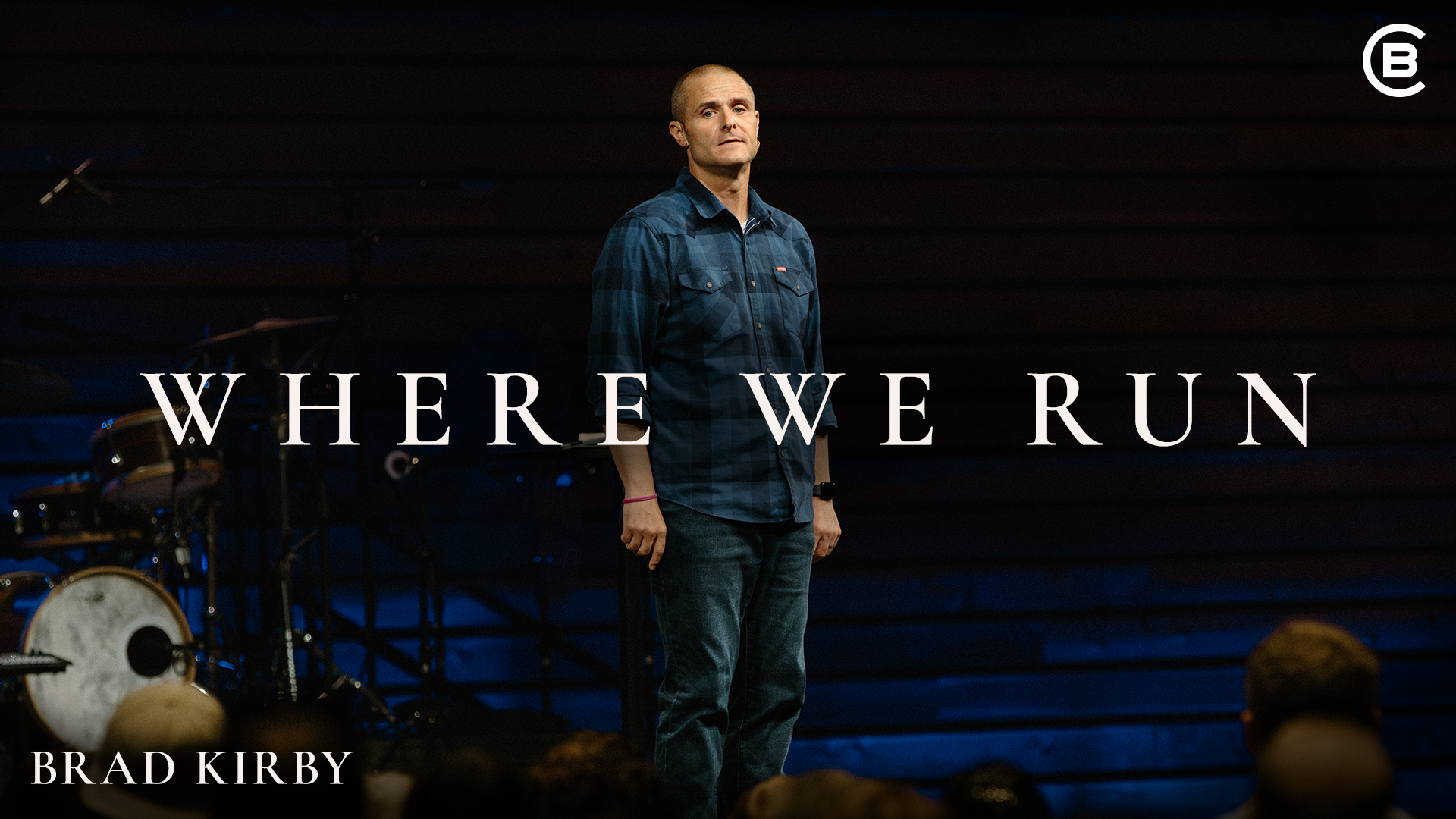
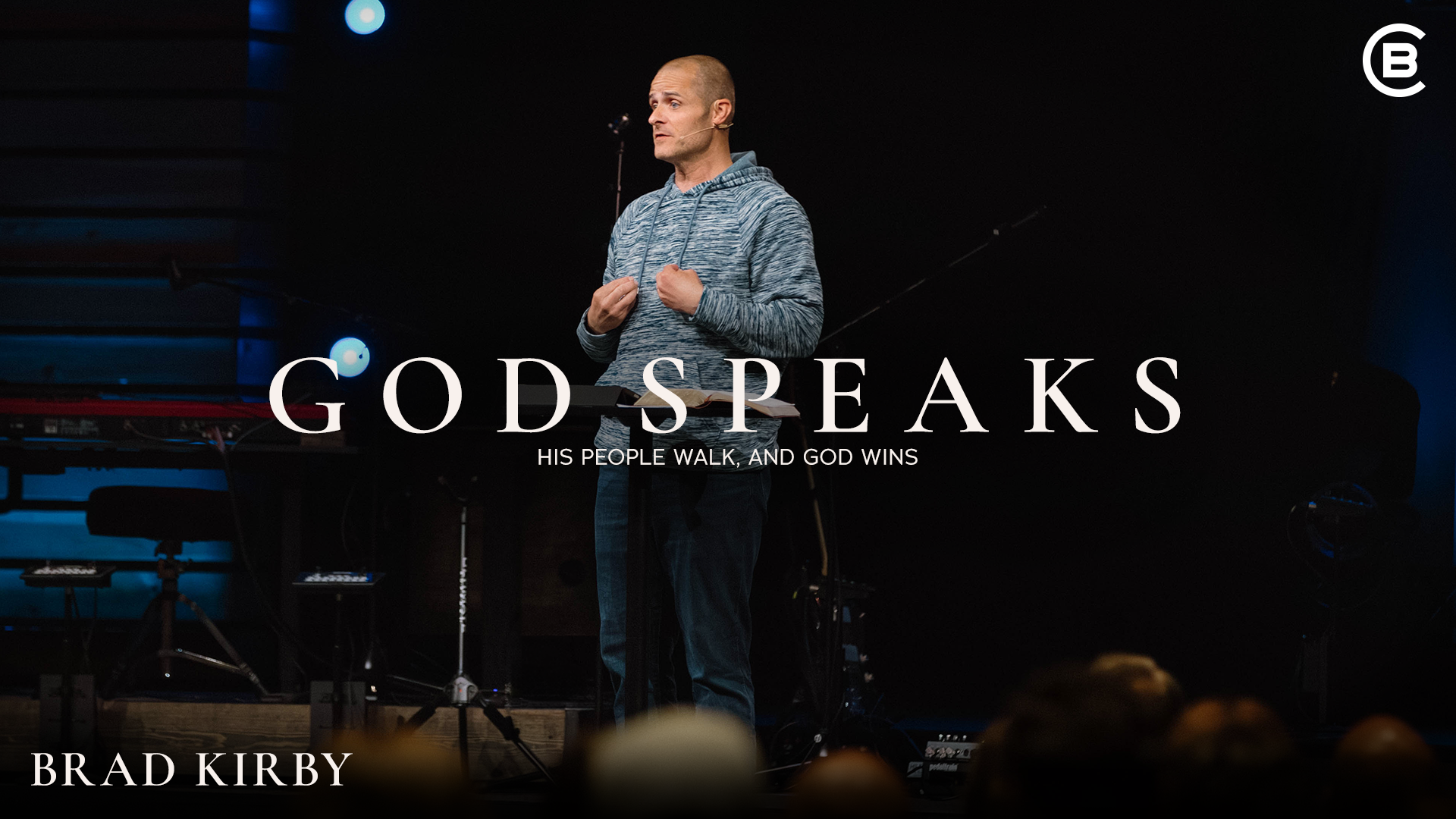
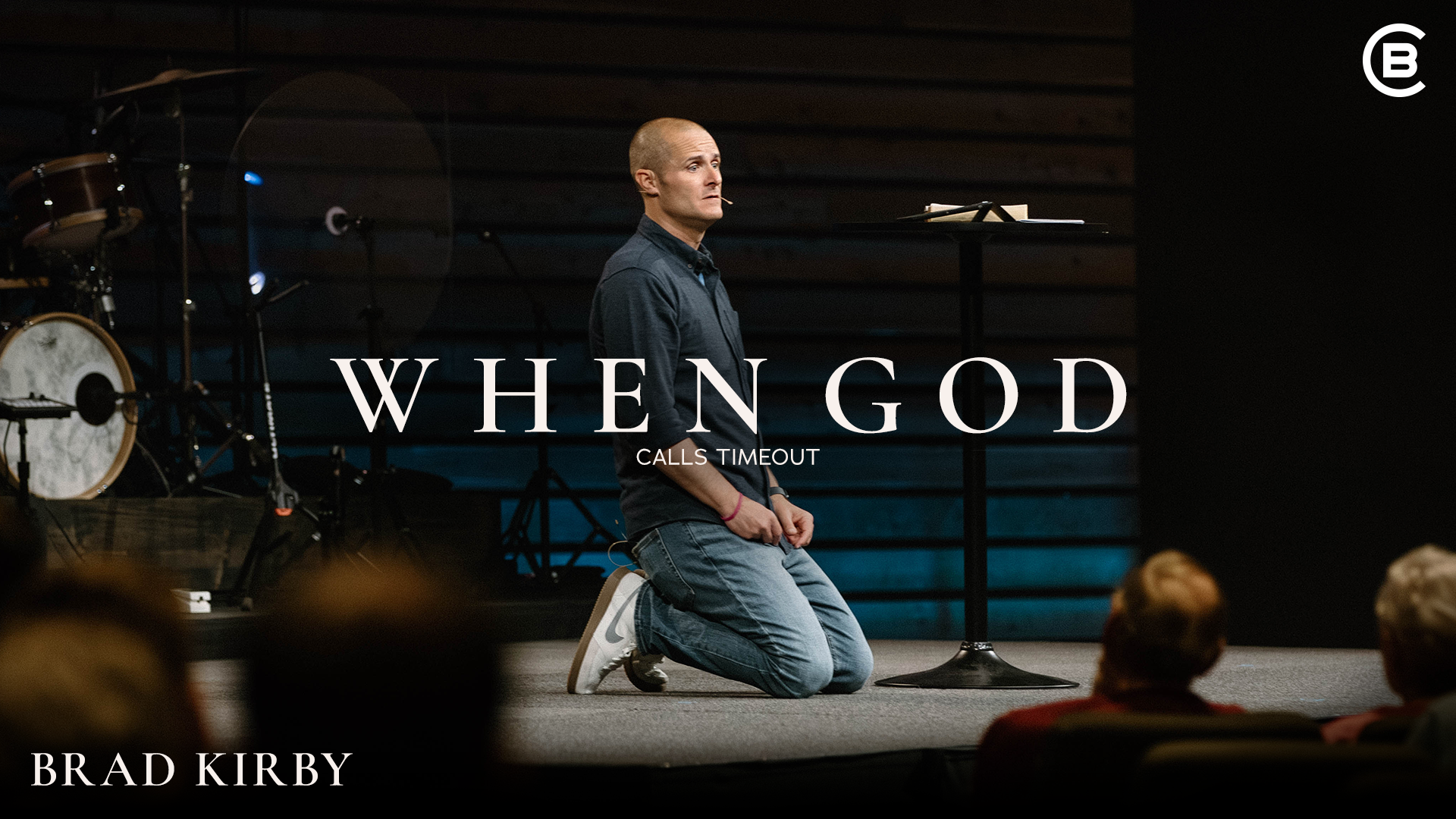
Jericho has fallen. Ai has been defeated. The conquest of Canaan is moving fast — and then, without warning, everything stops. Joshua leads the entire nation twenty miles out of their way to hold a covenant renewal ceremony between two mountains, and the biblical writer doesn't apologize for the interruption at all. In this message from Joshua 8:30-35, Brad Kirby unpacks why this pause is one of the most important moments in the entire book — and what it reveals about how God sustains His people through every season of life. This is a walk through what it actually looks like to live out your faith when the stakes are real. If success has ever made you feel further from God instead of closer, this message speaks directly to that.
Key Takeaways
Victory is often the moment we're most tempted to forget how much we need God. After Jericho and Ai, the natural next move was to press forward into the southern campaign. Instead, Joshua led the nation twenty miles in the opposite direction for a worship service. That's not poor planning — that's spiritual wisdom. Israel's greatest danger was never the Canaanites around them. It was disobedience within them.
Grace always comes before obedience — and the order matters. The burnt offering came first, then the peace offering, and only then the covenant renewal and reading of the Law. The sequence is intentional: atonement before fellowship, reconciliation before responsibility. The same pattern runs through all of Scripture. God redeemed Israel from Egypt before He gave them the Law at Sinai. The Christian life begins by grace, and it continues by grace.
You cannot claim to depend on God while ignoring the Word of God. After the sacrifices were offered, Joshua wrote the entire Law on plastered stones and read every word of it aloud — blessings and curses, nothing skipped. He wasn't improvising. He was following exactly what Moses had commanded in Deuteronomy 27. God defines success through dependence on His Word, not through self-defined strategy or achievement.
Dependence on God is not passivity — it produces real obedience. This ceremony wasn't just a celebration of grace. It was a recommitment to covenant faithfulness. Grace doesn't leave people unchanged; grace creates new desires and new obedience. As Brad put it, the Christian life is not self-powered moralism and it's not passive spirituality. It's grace that creates dependence, dependence that produces obedience, and obedience that becomes the visible fruit of belonging to Christ.
Discussion Questions
Joshua stopped a military campaign and led the nation twenty miles out of the way for a covenant renewal ceremony. When has God ever asked you to slow down at a moment when slowing down made no logical sense?
Brad said Israel's greatest danger was not the Canaanites around them but disobedience within them. What tends to be your biggest internal threat to walking closely with God when life is going well?
The burnt offering came before the peace offering. Atonement before fellowship, grace before responsibility. How does it change the way you approach obedience when you remember that grace comes first?
Brad described the Christian life as beginning by grace, continuing by grace, and ending by grace. Where in your life right now are you most tempted to operate on self-sufficiency instead of dependence on God?
Joshua read all the words of the Law — blessings and curses, every word, nothing omitted. What would it look like for you to come under the full authority of God's Word rather than just the parts that feel comfortable?
Brad quoted Bonhoeffer: "Cheap grace is grace without discipleship, grace without the cross." Where in your life does grace need to lead somewhere — to surrender, to holiness, to a change you've been putting off?
This Week's Challenge
Identify one area where you've been coasting on past victories and take one concrete step this week to return to dependence — through prayer, God's Word, or honest confession with someone you trust.
Transcript
The Pause Nobody Expected
Joshua 8:30-35 is one of the most jarring moments in the entire book. Jericho has fallen. Ai has finally been defeated after the disaster caused by Achan's sin. The central campaign is complete, and the conquest is well underway. Every narrative instinct says the military push should continue immediately. Instead, the text comes to a complete stop. Joshua leads the entire nation twenty miles north — out of the way, through mountainous terrain, a two-to-three day journey for everyone — to hold what amounts to a covenant renewal ceremony between two mountains.
Scholars call this kind of moment a theological excursus — a place where the narrator deliberately slows the story down so the reader doesn't miss what the story is actually about. The tonal shift is remarkable. The battlefield is barely cold, and Israel is building an altar and reading Scripture aloud for hours.
The Lay of the Land
To understand why this moment matters, you have to understand where Israel is in the larger story. The conquest followed a clear progression: entry into the land, the central campaign through Jericho and Ai, then the southern campaign, then the northern campaign. The central campaign strategically divided Canaan north and south, making it much harder for the Canaanite kings to unite against Israel.
So right after completing the central campaign, with the southern campaign next on the map, Joshua leads the nation twenty miles north. That's a forty-minute drive for us — a two-to-three day march for soldiers, priests, women, children, livestock, and ceremonial items through rugged hill country. None of this was accidental.
Between Two Mountains
The destination was a narrow valley between Mount Ebal to the north and Mount Gerizim to the south, with the ancient city of Shechem sitting between them. Moses had commanded this ceremony in Deuteronomy 27 — generations earlier, before Israel ever crossed the Jordan. Six tribes were to stand on Mount Gerizim to proclaim the blessings of covenant obedience. Six stood on Mount Ebal to proclaim the curses that come through rebellion. The Levites read the covenant aloud from the valley between them.
This was not a spontaneous decision. Every detail had been planned long before the conquest began. And the fact that Joshua carried it out precisely — in the middle of a military campaign — says everything about what he understood the mission to actually be about.
Rest in God's Grace
The ceremony begins with sacrifice, and the order is everything. First came the burnt offering — the sacrifice for guilt and atonement. Leviticus 1 describes it as the offering that makes atonement for the worshiper; the animal stands in the sinner's place, bearing judgment so fellowship can be restored. Only after the burnt offering came the peace offering — a celebration of restored communion with God, a covenant meal shared before the Lord.
Atonement first. Fellowship second. Justice, then peace. That sequence runs through all of Scripture. God redeemed Israel from Egypt before He gave the Law at Sinai. Grace always precedes covenant responsibility. The altar is not merely where the Christian life begins — it is where the believer continually returns.
Return to God's Word
After the sacrifices, Joshua did something remarkable. He wrote a copy of the entire Law of Moses on plastered stones — publicly, in the presence of the whole nation. Then he read every word of it aloud: blessings and curses, all of it, nothing omitted. Men, women, children, and foreigners living among Israel all heard it together.
The repeated emphasis in the text is unmistakable: commanded, written, copied, read. Joshua was not improvising. He was following exactly what Moses had commanded in Deuteronomy 27. The point is clear — Israel's future in the land would not depend on military strength or political strategy. It would depend on whether they heard and obeyed the voice of God. True success is not self-defined. God defines it through dependence on His Word.
Walk in Covenant Obedience
This ceremony was not just a celebration of grace already received. It was a recommitment to covenant faithfulness going forward. And that distinction matters. Saying that salvation is by grace does not make obedience optional — it puts obedience in its proper place. Grace becomes the very power that produces obedience. We do not obey in order to become God's people. We obey because, by grace, we already are His people.
Joshua read the blessings and the curses — all of them — because covenant grace never abolishes covenant responsibility. As Paul writes in 1 Corinthians 15: "I worked harder than any of them, though it was not I, but the grace of God that is with me." Both realities are true at once. Paul worked. Grace empowered the work. That is what covenant obedience looks like — not passive spirituality, not self-powered moralism, but real and costly faithfulness that flows from total dependence on God.