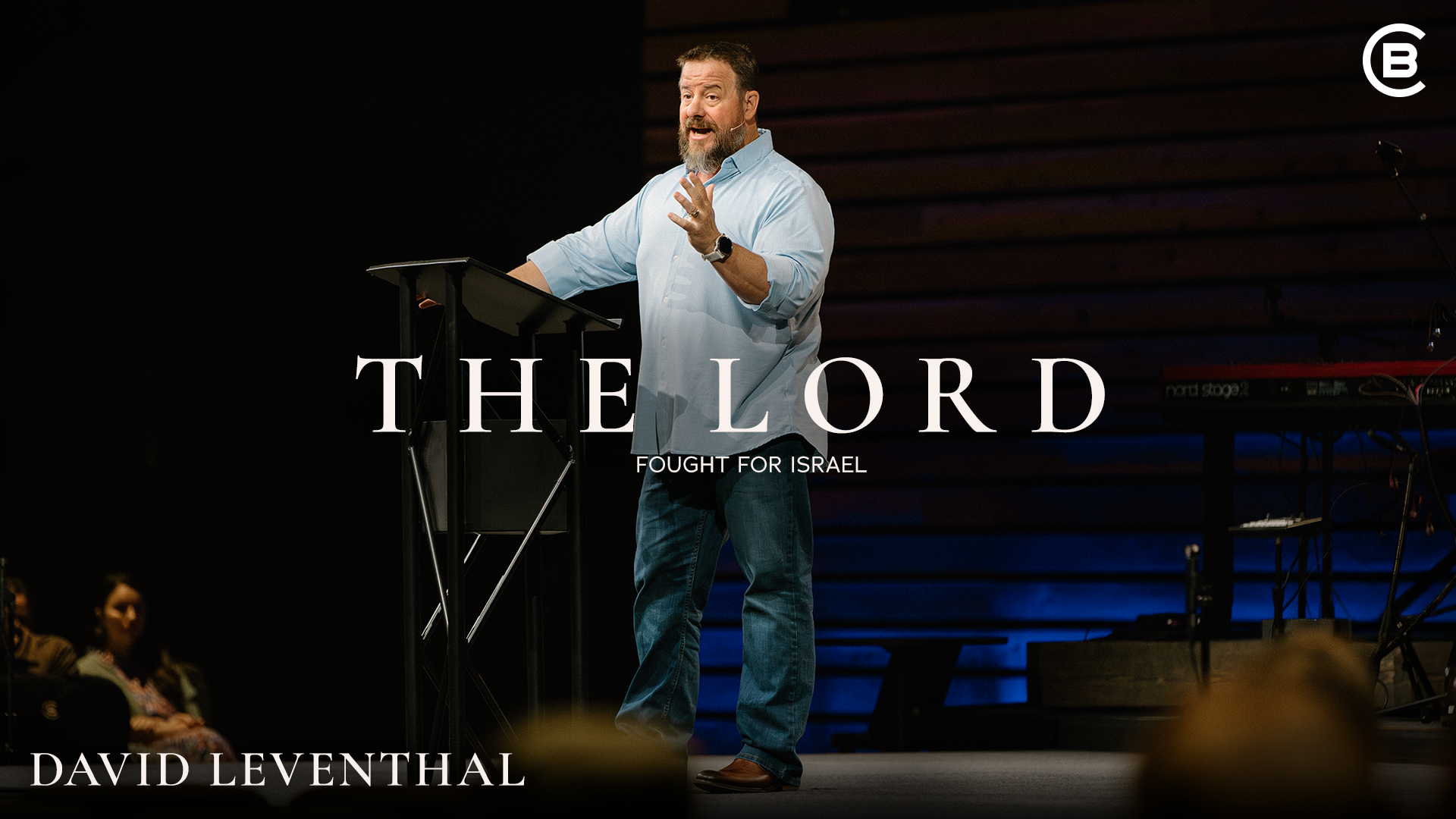
The Lord Fought for Israel
Sermon Notes
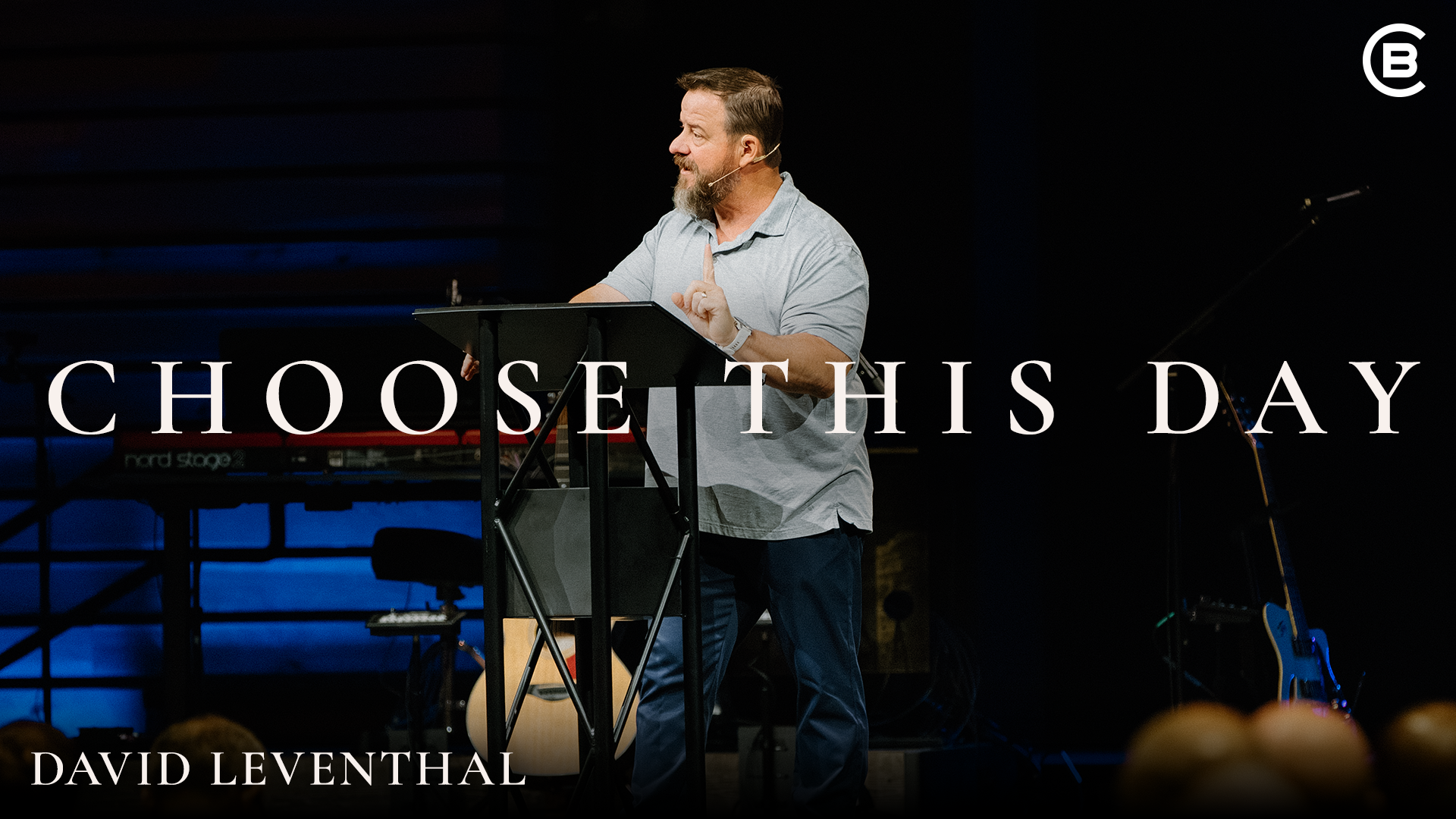
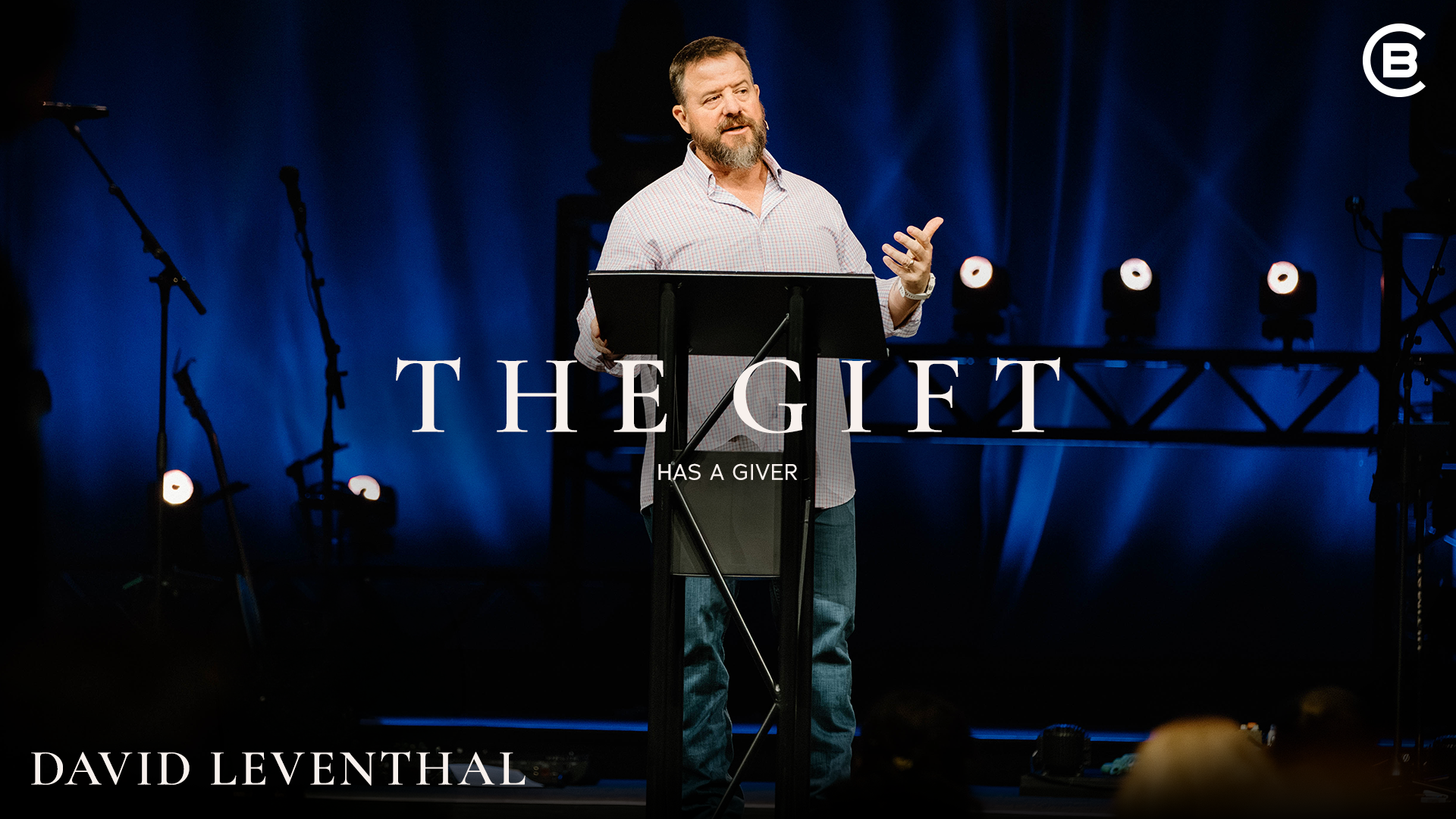
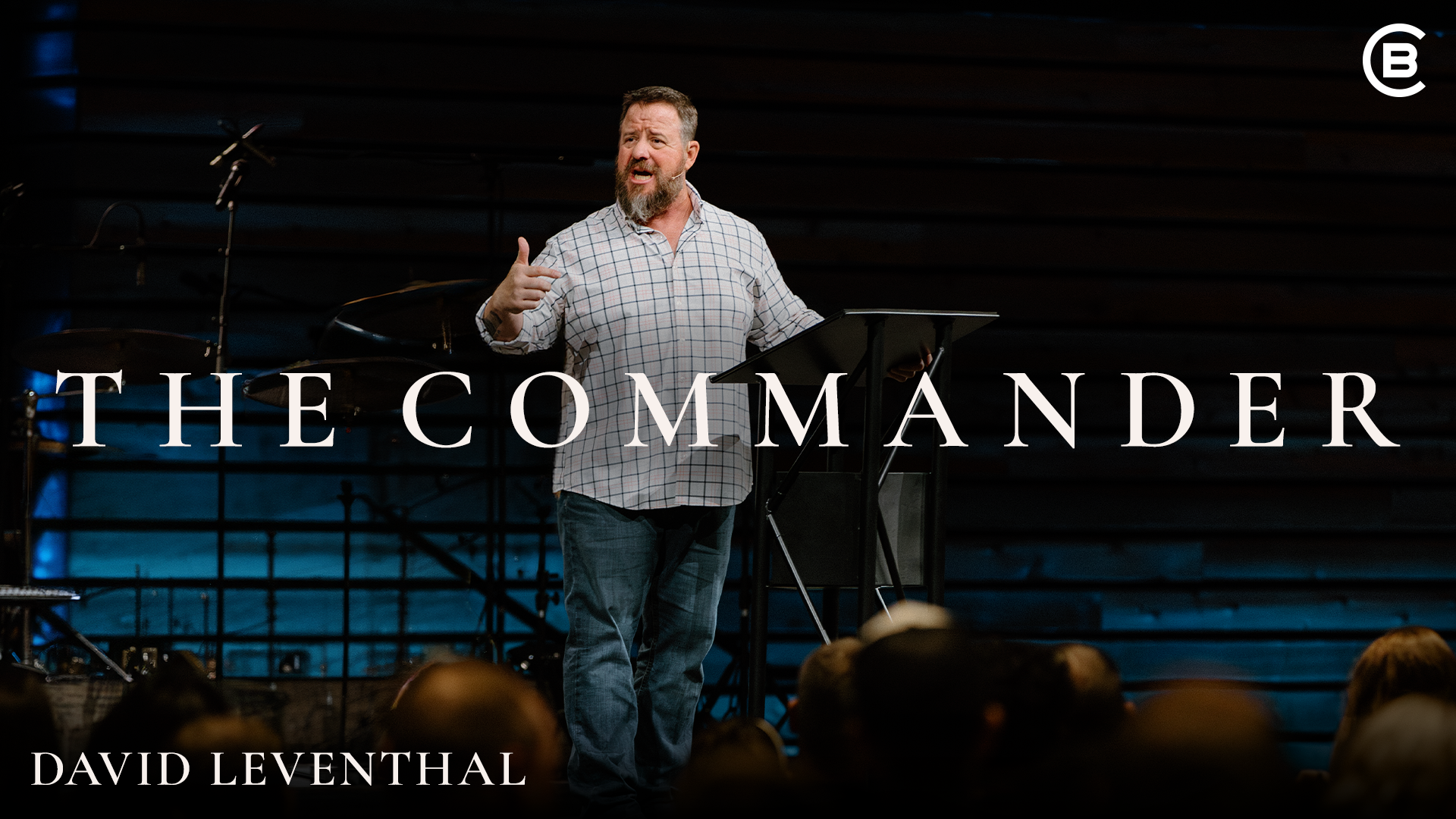
Five armies are on the move. A diplomatic mistake has become a military crisis. And Israel is about to walk into the biggest fight of the entire conquest, on behalf of people who deceived them. In Joshua 10:1-15, David Leventhal shows us that the central claim of the whole book of Joshua is on full display here: God is the primary actor who fights for His people. He doesn't wait for our circumstances to be tidy before He shows up. He works in the middle of chaotic, compromised, trainwreck situations, which, honestly, describes most of our everyday experience. And threaded throughout this passage is a question that is just as alive today as it was in ancient Canaan: what do you actually do with what you've heard about God?
Key Takeaways
The deciding factor is never the information. It is what you do with it. Three groups in this passage, Rahab, the Gibeonites, and the five kings, all heard the same news about God but came away with three completely different responses.
God doesn't wait for clean circumstances to act. Joshua's willingness to keep a promise nobody would have blamed him for breaking is what positioned him for one of the most extraordinary moments in the entire Old Testament.
Israel marched, but God fought. The army showed up and swung their swords, but both verses 10 and 11 pull your attention back to who did the decisive work: the Lord threw them into panic, and the Lord threw down the hailstones.
Prayer is meant to be the steering wheel, not the airbag. Joshua prayed out loud, in front of his entire army, before the outcome was certain, and God answered in a way that had never happened before and has never happened since.
God is still the kind of God who fights for His people. What is declared about God's character in verse 14 is not ancient history; for everyone who is in Christ, it is a present-tense reality.
Discussion Questions
Which of the three responses in this passage, Rahab's faith, the Gibeonites' messy surrender, or the five kings' resistance, most closely describes how you have been responding to what you know about God lately?
Joshua honored a covenant to Gibeon that most people would have considered null and void after being deceived. Is there a commitment in your own life that has felt costly to keep?
What does the tension between trusting God and relying entirely on your own effort actually look like in your life right now?
If you are honest, do you use prayer more like a steering wheel you hold constantly or an airbag you reach for after the crash?
Of the five implications David shared about what it means that God fights for His people, which one do you most need to believe right now?
What is one specific battle you have been carrying on your own that you have not yet handed to God, and what would it look like to take one step in that direction this week?
This Week's Challenge
Identify one specific situation you have been trying to manage on your own and spend ten intentional minutes this week handing it to the Lord in prayer.
Transcript
A Diplomatic Mistake Becomes a Military Crisis
If you were here last week, Brad walked us through Joshua 9 and the Gibeonite deception. A people group dressed in worn-out clothes and packed stale bread to make Israel think they were travelers from a distant land. Israel made a peace treaty with them without consulting the Lord. Three days later, they discovered their new allies lived right next door.
That is where chapter 10 opens. The unauthorized covenant that Israel never should have made is about to become a military flashpoint. And what happens next gives us the fullest, most dramatic demonstration of the central thesis of this entire book: God is the primary actor who fights for His people. That theme has been present since chapter 1, but here it comes into high-definition clarity.
The Opposition Has Been Escalating
Before we get into the text, here is something worth noticing. The opposition has been increasing the entire time. The battle of Jericho was one city with no army in the field. Then Ai drew two cities into the fight. Now in chapter 10, five kings with five armies are marching together. And by the time we reach chapter 11, the northern coalition will number like sand on the seashore.
The closer Israel gets to full possession of the land, the larger the opposition becomes. Here is what is true for us today: as we grow closer to Christ, as we pursue Him with more of our hearts and minds and strength, we will find ourselves under greater spiritual attack. The more you move toward generosity, honesty, and holiness, the more resistance you are going to encounter.
Three Groups. Same News. Three Responses.
In verse 1, we read that Adoni-zedek, king of Jerusalem, heard what God had done. But here is what I want you to see. That word "heard" has been tracking through the book of Joshua every time it appears, and each time we get to watch how different people respond to the same information about God.
Rahab heard, back in chapter 2, and tied a scarlet cord in her window and threw her lot in with the God of Israel. The Gibeonites heard, in chapter 9, and showed up with cracked wineskins looking for mercy. Now Adoni hears, and he pounds out a message to four other kings and marches to war. Three groups. Identical information. Three completely different responses. The deciding factor was never the information. It was what each group was willing to do with it.
Israel Marches. God Fights.
The Gibeonites send word to Joshua immediately: come up quickly and save us. And Joshua, without hesitating, goes. He takes all the people of war and all the mighty men of valor and heads toward Gibeon to defend the people who deceived him, because a promise is a promise, even a messy one. And his willingness to keep that costly covenant is exactly what puts him in position for everything that happens next.
Then God speaks in verse 8. "Do not fear them, for I have given them into your hands." Not "I will give." I have given. In Hebrew, this is what scholars call the prophetic perfect tense. It is a way of speaking about a future event with such certainty that it is described as already done. Before a single sword has been drawn, God is speaking about this battle as if it is already over.
The Decisive Work Belongs to the Lord
Joshua and the army march through the night, roughly twenty-two miles uphill, climbing about 3,600 feet of elevation in sandals, carrying weapons. They arrive at dawn and the fighting begins. But watch what the author does in verses 10 and 11.
"The Lord threw them into a panic." "The Lord threw down large stones from heaven." Two actions, two verses, both with the Lord as the subject. And then the author adds a note that more of the enemy died from the hailstones than from the swords of the Israelite army. He is keeping score on purpose. Israel's military effort was real and exhausting, but the decisive work belonged entirely to God. The army was present. The Lord fought. That distinction is the whole point.
A Day Unlike Any Other
Now we reach the moment where you stop reading and go back to check the verse. Joshua speaks out loud, in front of his entire army, and addresses the sun and the moon. And according to verse 13, the sun stopped for about a whole day.
Scholars have wrestled with what exactly happened here, and there is no settled consensus. Three views carry the most weight: a literal astronomical miracle in which the earth's rotation stopped, a poetic account drawn from the Book of Jashar describing something genuine and extraordinary, or a phenomenological account of a real event that the participants experienced as an extended day. What verse 14 makes clear is that something objectively unprecedented occurred. "There has been no day like it before or since." Something happened at Gibeon that was genuinely, historically unlike anything else.
The God Who Heeds the Voice of a Man
The phrase "heeded the voice of a man" in verse 14 appears only three times in the entire Old Testament. Here in Joshua 10, in Numbers 21, and in 1 Kings 17 when God raises a widow's son from the dead. Each time God is the subject. Each time it means fully listening and then fully responding.
And here is where it gets worth sitting with. Joshua is fresh off a spiritual failure. The army is cleaning up a mess they helped create. They are fighting a battle that exists because of a treaty they never should have made. And the God of the universe bends down and listens to one man's voice and answers in a way that has never happened before or since. Joshua prays publicly, in front of everybody, with confident faith born from real and hard experience. And God responds.
The Lord Fights for His People Today
Verse 14 is not just a historical record. It is a declaration about the character of God, and it has five implications for everyone in Christ today.
It means you have a God who does not leave. Hebrews 13:5 is emphatic in the Greek. God will never, under any circumstances, leave or forsake you. It means God outweighs your opposition. Romans 8:31 asks who can stand against you if God is for you. It means He finishes what He starts. It means the final word on your situation has not arrived yet. And it means you do not have to carry the weight of making everything right yourself. Romans 12:19 commands believers to leave vengeance with God, because He sees what has been done and He will not let it stand forever.
Closing
David shared something personal in this message: in the days leading up to Sunday, he had been publicly misrepresented, and the temptation to defend himself had been real. He kept coming back to 1 Peter 2:23, where Peter points believers who are experiencing injustice toward Christ, who "when he was reviled, did not revile in return, but continued entrusting himself to him who judges justly." The God who threw hailstones at Israel's enemies is the same God who says: that is mine, I will handle it.
"There has been no day like it before or since, when the Lord heeded the voice of a man, for the Lord fought for Israel." That is the sentence the author wants ringing in our ears. And the greatest example of God fighting for you is that He sent His Son to conquer sin and death so you would not have to carry that weight. Go to Romans 5:8. Soak in the truth that while we were still sinners, Christ died for us. The Lord fought. He is still fighting. And the battle you have been carrying on your own is one He is ready to take.