Where We Run
Sermon Notes
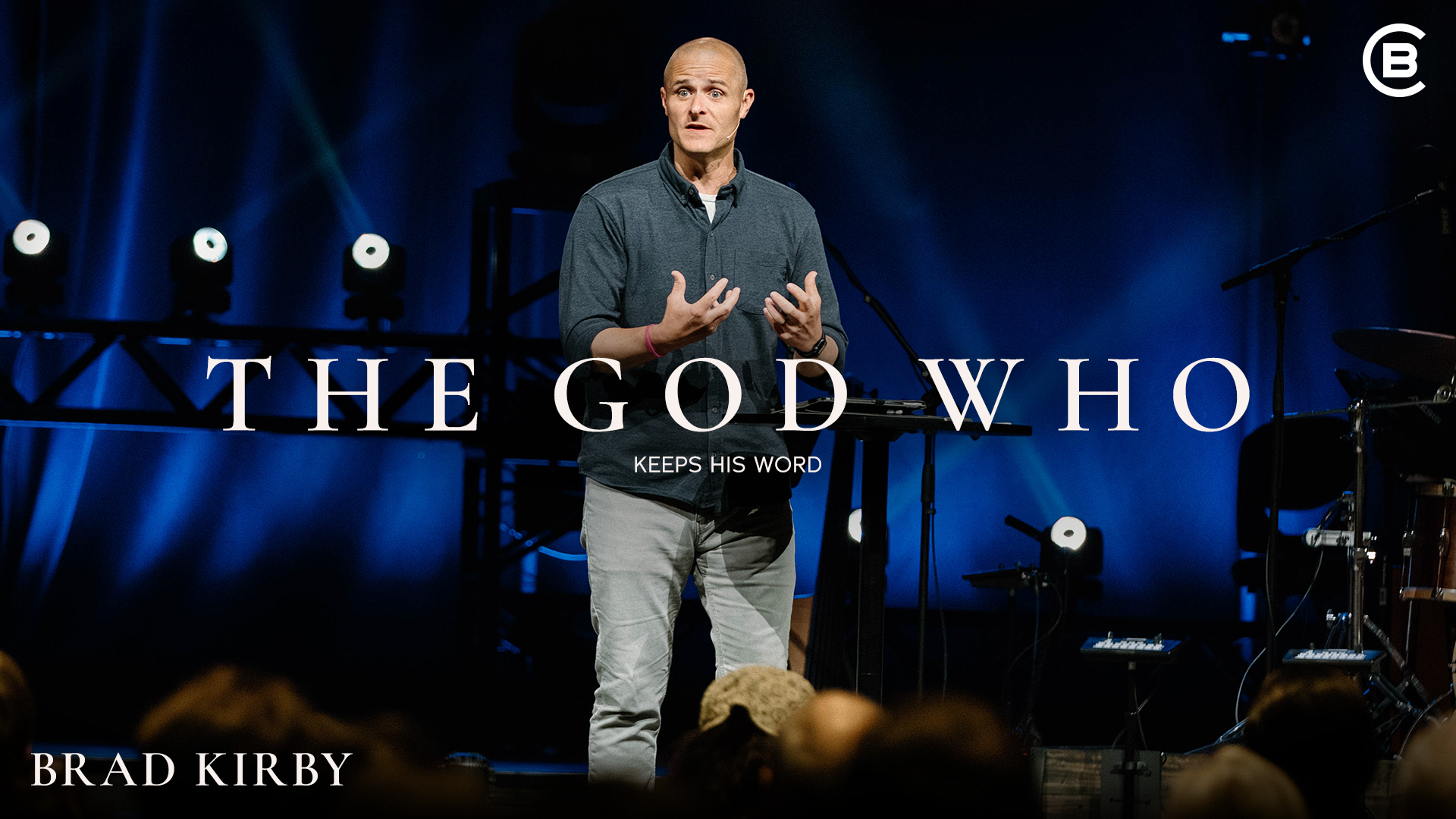
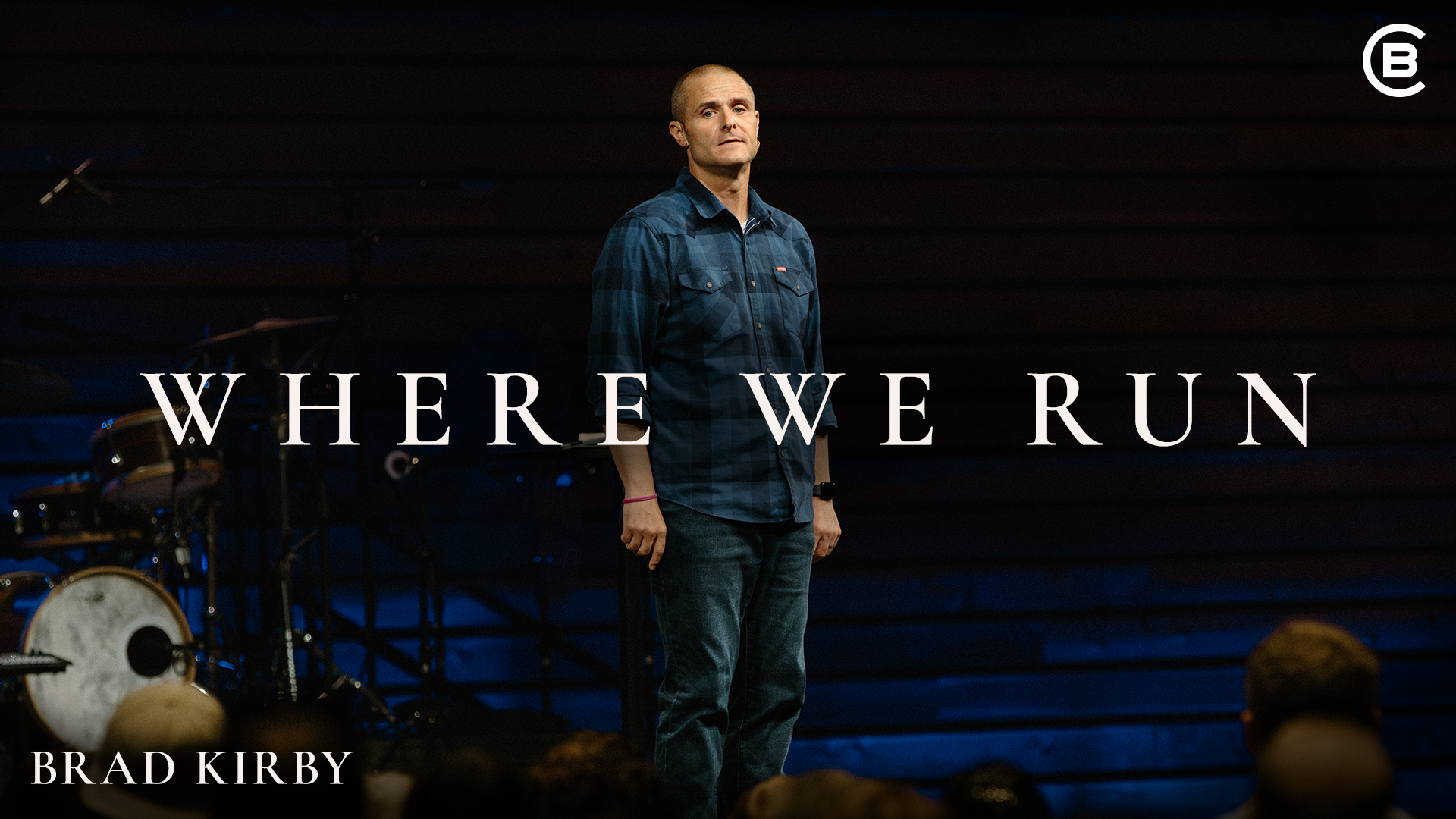
After the fighting is over and the land is finally divided, the book of Joshua slows down and does something unexpected. God tells Joshua to set apart six cities of refuge, ordinary places where someone whose life had just fallen apart could run and be safe. In Joshua 20, Brad Kirby unpacks why those scattered cities mattered so much and how they point all the way to Jesus. This is a message about refuge, about grace that was prepared before we ever needed it, and about the legacy we pass to the people coming after us. If you've ever wondered where to turn when guilt or fear or grief shows up, this one is worth your time.
Key Takeaways
Legacy isn't what we leave behind, it's who we leave behind. Joshua spent his final days preparing the next generation to remain faithful after he was gone, and that same question belongs to every Christian and every church.
There is a place to run, and His name is Jesus. The six cities of refuge were signposts pointing to the one Savior we run to when sin, shame, or suffering crushes us.
In Christ there is now no condemnation. Jesus, our Great High Priest, has already done everything necessary, so we don't work for refuge, we rest in it.
You are God's city of refuge on Monday morning. God scattered believers into neighborhoods, schools, and offices so that no one in Plano is ever far from someone who can point them to Jesus.
Our children learn where we run. Long before they remember our words, they remember our instincts, so the greatest legacy we leave is a generation whose first reflex is to run to Christ.
Discussion Questions
When life falls apart, where is your first instinct to run, and what does that reveal about what you actually trust?
Brad said our children learn where we run more than what we say, so what are the people closest to you learning from watching you?
Where in your life are you still living like a prisoner even though Christ has already declared you free?
What would it look like to rest in refuge this week instead of working for it?
You've been scattered into specific places, so who in your everyday rhythms is far from anyone who could point them to Jesus?
How does seeing Jesus as our Great High Priest change the way you understand "no condemnation" in Romans 8?
This Week's Challenge
Ask the people closest to you where they think you run when life gets hard, and listen honestly to their answer.
Transcript
The Saddest Sentence in Scripture
Imagine receiving a message from God about your future. At first it's wonderful. You'll live a long life, you'll die in peace, your name will be remembered. Then it changes. After you're gone, your family will fall apart and everything you built will lie in ruins.
That actually happened to King Hezekiah. God had just delivered Jerusalem and spared his life, but when Isaiah told him judgment was coming for the next generation, Hezekiah said, "The word of the Lord is good," because there would be peace in his own days.
In other words, as long as things are okay while I'm alive, I'm content. That may be one of the saddest statements in all of Scripture. Before we're too hard on Hezekiah, friends, we should admit how easily his heart becomes ours.
Three Movements, One Question
Over the past several months we've walked through Joshua and seen three movements. Formation, in chapters 1 through 5, is where God shaped His people through His Word before He ever sent them. Mission, in chapters 6 through 12, is where Israel entered the land and watched God fight for them. Now we come to the third movement, chapters 13 through 24, and we've called it Legacy.
Here's what strikes me. Once the battles are over, Joshua doesn't throw a victory parade. He spends chapter after chapter on boundaries, cities, covenant, and preparing the next generation. Why? Because winning battles is one thing and building a lasting culture is another. Conquering the land was never the goal. Creating a people who would faithfully follow God for generations, that was the goal.
Planting Trees We'll Never Sit Under
There's an old Greek proverb. A society grows great when old men plant trees whose shade they know they'll never sit in. Who plants a tree they'll never enjoy? Someone thinking beyond themselves. That's exactly what Joshua is doing. He isn't building for the next battle, he's building for the next generation.
So almost unexpectedly, after the land is divided, Joshua pauses to establish six cities of refuge. These cities weren't exciting like Jericho. No collapsing walls, no miraculous victories. But that's how legacy is built, not through extraordinary moments but through ordinary faithfulness that quietly shapes generations. Every child in Israel would grow up knowing that if life fell apart, God had already provided a place to run.
Where to Run
The first thing to notice is who starts this whole chapter. Joshua doesn't gather the elders to propose a legal system. The people don't petition for safer cities. Verse 1 begins, "Then the Lord said to Joshua." Refuge begins with God.
Under Israel's law, someone who accidentally caused a death could flee to one of these cities. At the gate he would explain his case to the elders, and they would protect him from the avenger of blood until a fair trial could be held. God built a system that protected both justice and mercy at the same time.
He never sacrifices one for the other. And that tells us something about His character. He is perfectly just, so sin can't be ignored, and He is perfectly merciful, making a way for guilty people to find safety.
Refuge Begins With God
Before anyone ever needed mercy, God had already provided it. He wasn't reacting to human failure, He was preparing grace ahead of time. That's the gospel before we ever get to the gospel.
Long before you and I ever sinned, God had already determined to send His Son. Before your first breath, before your first failure, before your greatest regret, God had already provided your refuge.
The cities were never the destination. They were signposts. The refugee ran to a city. Today, we run to a Savior. The city offered temporary protection. Jesus offers eternal refuge. The city protected from the avenger. Jesus delivers us from condemnation.
Where Are We Teaching Them to Run?
Here's the question that raises. Where are we teaching the next generation to run? Because someone always is. Culture teaches them to run to achievement. Social media teaches them to run to approval. Money promises security, politics promises hope, entertainment promises escape. Every voice around them is pointing them somewhere. The question isn't whether our children will learn where to run. The question is who will teach them first.
That's why Moses gave Israel Deuteronomy 6. Notice he doesn't just say teach your children God's commands. He says these words shall be on your heart. Faith isn't only something we explain, it's something we model. Our children don't simply learn what we believe. They learn where we run. Long before they remember our sermons, they'll remember our instincts.
Why We Can Run
Verse 6 contains one of the most surprising statements in the chapter. The manslayer had to remain in the city until the death of the high priest. Then he could return home. Everything changed with one death. He couldn't leave because enough time had passed, or because people forgave him, or because he felt sorry. God tied his freedom to one event.
Does that sound familiar? Joshua is casting a shadow that stretches all the way to Calvary. Jesus is our Great High Priest, and unlike every priest before Him, He didn't offer sacrifices for His own sin. He offered Himself. The refugee was set free because another man died. So are we. But Jesus didn't die because His time ran out. He willingly laid down His life in our place.
No Condemnation
Romans 8 says there is now no condemnation for those who are in Christ Jesus. Notice Paul doesn't say less condemnation, or manageable condemnation, or occasional condemnation. There is now no condemnation, because Jesus has already done everything necessary.
Have you heard how baby elephants are trained? When they're young, handlers chain one leg to a stake. The elephant pulls and strains but can't break free, so eventually it stops trying. Years later that same elephant weighs several tons and could snap the chain with no effort, but it doesn't, because it still believes it's bound.
Many of us live that way. Jesus has already broken the chain. The prison door is standing wide open, yet we keep dragging around shame Christ already carried. We don't work for refuge. We rest in it.
You Are Cities of Refuge
Look at the last three verses. Joshua lists six cities. Three west of the Jordan, three east. Why six? Because God wanted refuge to be accessible. He scattered it so no one would be very far from mercy. Isn't that exactly what God did in Jesus? He didn't shout salvation from heaven, He came near. He walked our streets, welcomed sinners, and moved toward the very people everyone else avoided.
And now think about the church. Jesus is the refuge. We are not. But God has scattered us, not just churches but Christians, into neighborhoods, schools, offices, gyms, and ball fields. Like the bright red AED box in every airport, we've been placed close by because help has to be near. You are God's city of refuge on Monday morning.
The Legacy We Want to Leave
That's why our vision matters. We equip the church in the Word, because people can't point others to a Christ they don't know. We commit to His family, because disciples are formed in community, not isolation. And we engage our city, because no one in Plano should be very far from someone who can introduce them to Jesus.
Imagine twenty years from now. A marriage is falling apart and someone says, talk to that family from CityBridge. A teenager is drowning in anxiety and someone says, I know a small group that would love you. Why? Because our city has learned where to run. Not because we pointed people to ourselves, but because we faithfully pointed them to Jesus. Friends, that's the legacy I want us to leave.