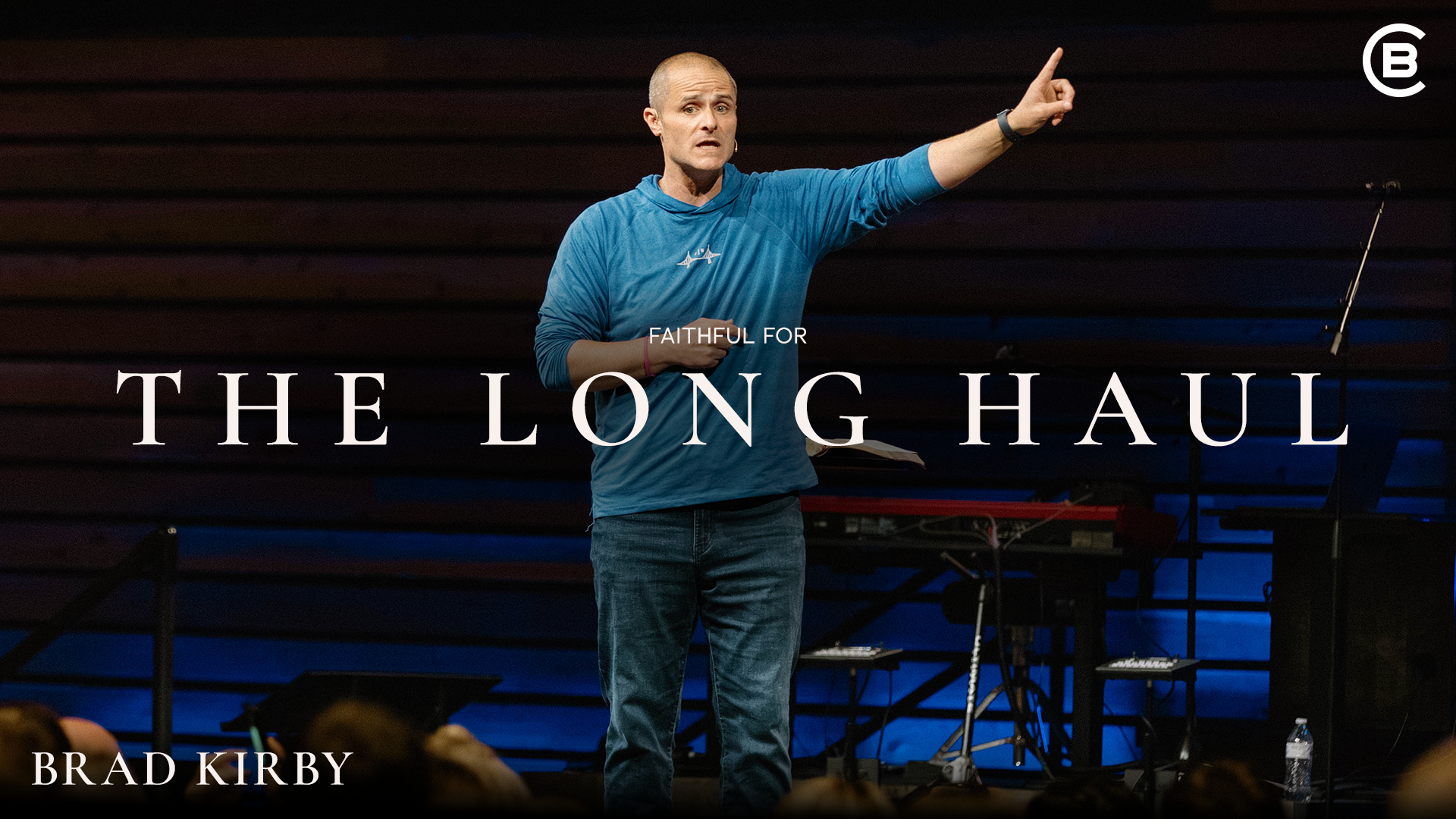
Faithful For the Long Haul
Sermon Notes
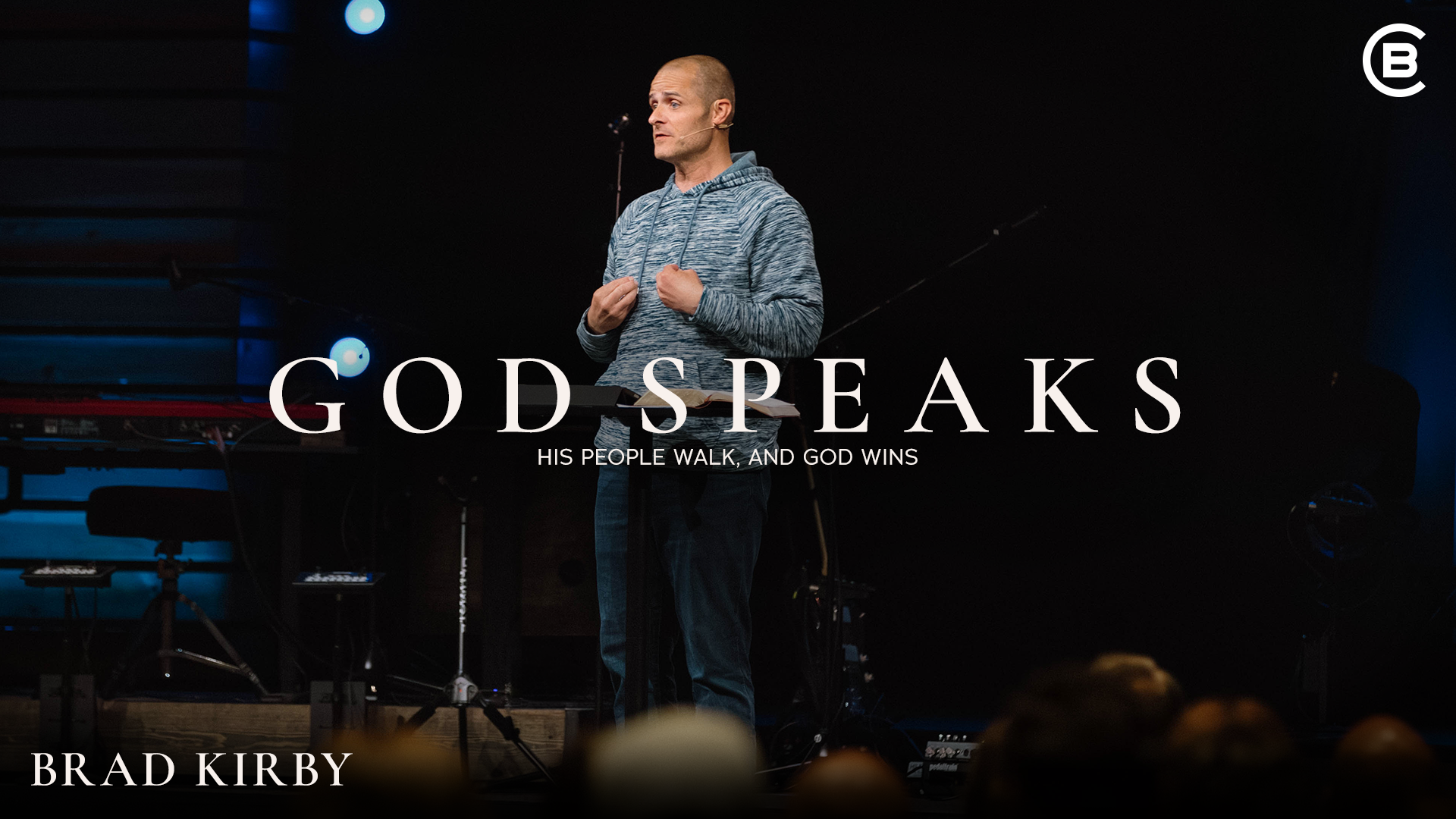
Joshua 23 catches Joshua at the very end of his life, an old man giving the people he loves his final words. After years of battles won and a land finally at rest, his biggest concern isn't the enemies outside the camp. It's whether the people will stay close to God once life gets comfortable. Brad Kirby unpacks three simple charges Joshua leaves behind: remember what God has done, remain close to Him, and resist the things that quietly pull the heart away. Come see why the goal was never just to start with faith, but to finish with it.
Key Takeaways
Remember who actually fought the battle. Joshua refuses to let Israel tell its story without God in it, pointing them back to the God who stopped the Jordan and brought down the walls rather than to their own strength.
Comfort is more dangerous than crisis. During the struggle we cling to God, but when the bills are paid and life is stable, we can slowly forget the One who brought us through.
Tell your God stories. Israel's tragedy wasn't that God stopped working, it was that His people stopped remembering, so keep telling the next generation what God has done.
Closeness requires responsiveness. Sin doesn't push God away, it just makes us stop noticing He is there, so obedience and love are how we stay near to Him.
Nobody plans to walk away, they drift. A boat doesn't need an engine to drift, it just needs to stop anchoring, and the same is true of a heart that loosens its grip on God.
Discussion Questions
When you look back on a hard season you came through, how easy is it for you to give yourself the credit instead of God?
Where in your life right now feels comfortable enough that you've stopped depending on God the way you used to?
What's one God story from your own life that you've never really told anyone?
Joshua said closeness with God requires responsiveness, so where is God asking you to obey that you've been putting off?
What is something good in your life that could quietly become too important, taking a place that belongs to God?
What usually gets the very first attention of your day, and what is that shaping in you before you even pray?
This Week's Challenge
Write down one specific story of God's faithfulness in your life and share it out loud with your family or your group this week.
Transcript
Last Words
Before we begin, I want you to picture the three to five people in this world who matter most to you. Picture their faces. Now imagine you've reached the final moments of your life, and somehow they're all gathered around you. You have one last conversation, one last chance to say whatever you want. What would you say?
In that moment, you wouldn't be trying to be funny or clever or impressive. You wouldn't waste your final words on things that will soon be forgotten. You would speak about what lasts. Last words reveal what a person truly believes. They reveal our deepest priorities, because at the end of life the temporary things have lost their importance.
That's exactly where we find Joshua in Joshua 23. He's an old man now, 110 years old. His battles have been fought. His journey is nearly over.
What a Journey He Had Seen
Think about the life this man had lived. Joshua was born a slave in Egypt. He saw the plagues. He watched the Red Sea part and Pharaoh's army swept away. He gathered manna in the wilderness. He climbed Mount Sinai with Moses. He was one of the twelve spies sent into Canaan. He received the call to lead Israel across the Jordan and into the Promised Land.
But more important than anything he did was what he saw. In all of it, Joshua had seen the faithfulness of God.
Now, after many years, the Lord had given Israel rest from its enemies. The land was divided. The fighting had slowed. Life had become comfortable. And that is precisely when Joshua became concerned.
Peace Can Be More Dangerous Than War
During the battle, we know we need God. We pray. We cling to His promises. We recognize our weakness. But when the battle is over, the bills are paid, the diagnosis is good, the kids are healthy, and life is comfortable, we can slowly begin to forget the God who brought us through.
Joshua's concern was not simply that Israel would be defeated by the nations around them. His concern was that Israel would gradually become like the nations around them.
So he gathers the elders, leaders, and officers, the people who will shape the next generation, and he gives them his final message. He doesn't hand them a military strategy. He tells them how not to lose their souls. How to remain faithful to a God who has always been faithful to them.
Some Truths Are Too Important to Hear Only Once
Honestly, what Joshua says isn't new. It's the same thing he has been saying over and over: remember, remain, resist. By Joshua 23, some of the people were probably thinking, "Joshua, we've heard this sermon before." Maybe some of you feel that way after months in the book of Joshua.
But Joshua repeated himself because there was nothing more important to say. People rarely need novelty as much as they need truth repeated until it reaches the heart. We often think repetition means the preacher has run out of material. Sometimes repetition means God knows we haven't learned it yet.
The Bible doesn't keep saying "remember" because God is forgetful. It repeats it because we are.
Within One Generation
Sadly, Joshua's warning proved necessary. Just a few pages later, Judges tells us another generation arose who did not know the Lord or the work He had done for Israel. Within one generation of Joshua's death, his warning had become Israel's reality.
Let that settle in. They had the land. They had the cities, the stories, the law, the memorial stones. But somehow they raised a generation that did not know the God who gave it all to them.
Joshua said, "Do not forget." They forgot. Joshua said, "Cling to the Lord." They clung to idols. That is why these words must be heard again and again, because we forget the most important things so easily. We remember song lyrics from twenty years ago but forget this morning's Scripture.
Remember God's Faithfulness
Notice who gets the credit in Joshua's story. Not Joshua. Not the army. Not Israel's courage or strategy. Joshua says, "It was the Lord your God who fought for you." He refuses to let Israel tell its story without God in it.
Israel carried swords, but God gave the victory. Israel marched around Jericho, but God brought down the walls. Israel stepped into the Jordan, but God stopped the water. That was the point. God worked in a way that made it impossible for Israel to take the credit.
The hero of Israel's story was not Israel. The hero was God. And the hero of your story is not you either. It is God.
We Testify As Though It Depended On Us
We have an amazing ability to take credit for what God has done. We're like a kid in the back seat holding a toy steering wheel, announcing, "I drove us here." We may have participated, but God was the one driving all along.
In the crisis, we pray desperately, "God, help me, provide, heal, rescue, get me through this." Then God answers, the crisis passes, and we say, "I worked hard. I made good decisions. I pulled myself through." We prayed as though it all depended on God, then testified as though it all depended on us.
You may have worked hard. But who gave you the strength to work? Who opened the door? Who sustained you when you wanted to quit? One of the greatest dangers of success is forgetting the God we desperately sought in the struggle.
Tell Your God Stories
Israel's tragedy was not that God stopped working. It's that His people stopped remembering. The miracles didn't disappear. The stories did.
God never intended to work in secret. He wanted His works told around tables, to our children, passed from one generation to the next. Israel should have kept telling the stories, not because the children had never heard them, but because some truths are too important to hear only once.
The same is true for us. Keep a record of God's faithfulness. Write down answered prayers. Tell your children how Jesus found you, how God provided when the numbers didn't add up, how He carried you through grief. Your kids need more than "go to church" and "read your Bible." They need to hear you say, "Let me tell you what God has done." Not because you are the hero. Because God is.
Remain Close: Obey Him
After reminding Israel what God had done, Joshua turns to what Israel must now do. God's faithfulness demanded a response. The battle was over, but their responsibility was not.
Notice the kind of strength Joshua calls for. He doesn't say, "Strengthen the army" or "Sharpen your swords." He says, "Be very strong; be careful to obey." One of the primary ways we stay close to the Lord is by obeying His Word.
Obedience is not merely following rules. It is staying responsive to the voice of God. Think about any close relationship. You can't continually ignore someone, break your promises, do whatever you want, and still say, "But we're very close." Closeness requires responsiveness. Sin doesn't push God away. It just makes us stop noticing He is there.
The Kool-Aid Aisle
When I was little, I followed my mom through the grocery store. I didn't want to get lost. I just kept an eye on the back of her knees, and everything was fine. But then we came to the Kool-Aid packets. All those bright colors caught my attention, and I stopped to look. I only looked away for a moment, but when I looked back, the knees were gone. Suddenly I was standing alone in the aisle.
I hadn't decided to leave my mom. I simply became more interested in something else than in staying close. That's often how we drift from God. Most people don't wake up and decide to walk away. We get distracted. The Kool-Aid wasn't evil. But I gave it more attention than the one I was supposed to follow.
Remain Close: Love Him
Obedience keeps us attentive. Love keeps the relationship from becoming cold and mechanical. Joshua doesn't just say, "Believe God exists." The demons believe that. He says, "Love the Lord your God."
When you love someone, you want to be with them. You listen. You think about them. You don't treat time together as a burden. Love makes us want His Word, not because we're supposed to read it, but because we want to hear His voice. It makes us pray because we want His presence, not only because we need something.
But get the order right. We don't love God so He'll finally love us. We love because He first loved us. So let me ask you something more personal than "Do you attend church?" Do you love the Lord? Do you treasure Him? Is Jesus one part of your life, or the center of it?
Resist: Recognize the Drift
Then the tone changes sharply. Joshua warns them what happens if they begin moving the opposite direction. "For if you turn back," he says. Those words introduce the danger.
Notice the progression. First the heart begins to turn. Then small compromises are allowed. Those compromises form connections, those connections shape loyalties, and eventually loyalties become worship. Most people don't announce, "Today I'm abandoning God." They drift.
No notification sounds when the soul begins to drift. That's what makes it so dangerous. Think about a boat on the water. A boat doesn't need to start its engine to drift. It doesn't need a plan. All it has to do is stop anchoring. You don't drift toward holiness. Spiritual growth requires intention. Spiritual drift requires nothing. So recognize what's happening before it carries you farther than you ever intended to go.
Resist: Reject Every Rival
Joshua warns that the nations would become "a snare and a trap, a whip on your sides and thorns in your eyes." The very thing you believe will improve your life will eventually enslave you. That's always the lie of idolatry. An idol promises freedom but produces bondage. It promises satisfaction but leaves us hungrier.
An idol is anything that receives the devotion, trust, or love that belongs to God alone. For some it's money. For others it's approval, or control, or success. How do you know if something has become an idol? Take it away and see if your hope goes away with it.
Joshua contrasts two kinds of clinging. Cling to the Lord, or cling to the nations. The question is not whether your heart will cling to something. It's what. There is no neutral heart. Whatever repeatedly holds your attention will eventually shape your affection.
Finish With Faith
Joshua is at the end of his life, and he leaves Israel with what matters most. Remember what God has done. Remain close to Him. Resist anything that pulls your heart away.
God has been faithful in every season. Not one promise has failed. So don't forget Him when life becomes comfortable. Don't loosen your grip when the culture shifts. Don't trade the living God for lesser things that promise freedom and leave you empty.
The goal was never merely to begin with faith. It is to finish with faith.