
The 10 Truths That Hold Up a Healthy Church

Sermon Notes
This week, we’re taking a one-week break from our Radical series for a one-off message from David Marvin. In this message, David walks through ten biblical truths that form the foundation of a Christ-centered church. A healthy church is built on unity, humility, generosity, faithfulness, and love, all centered on the person and mission of Jesus Christ.
These truths remind us that the strength of the church is not in what we do but in who we follow. A church that stands on Jesus and lives out His Word becomes a light to the world around it.
Key Takeaways
A healthy church is centered on Jesus Christ, not on personalities or programs.
Unity, humility, and generosity mark a church that reflects God’s heart.
Faithfulness in teaching, prayer, and community builds long-term strength.
God’s people are called to serve, love, and live on mission together.
The Church’s foundation is not what we do, but who we follow.
Discussion Questions
What stands out to you about the picture of a healthy church from this message?
Why is unity among believers essential for the church’s mission?
Which of the ten truths do you want to grow in personally?
How can you use your gifts to strengthen the body of Christ?
What does it mean for CityBridge to be built on Jesus Christ, not programs or people?
Transcript
A Healthy Church Begins with Jesus
David Marvin opens by reminding us that the church is not built on a pastor, a building, or a program—it’s built on a person, Jesus Christ. Every healthy church stands on that foundation. When Jesus is the center, everything else finds its place. Without Him, no amount of structure or effort can sustain lasting impact.
The Heart of a Healthy Church
A healthy church is made up of healthy people—people who love God, love one another, and live on mission. The goal is not to build something impressive but to be a community that reflects God’s heart. David reminds us that spiritual health starts in the heart of every believer. When we walk with humility and grace, unity follows.
Truths that Strengthen the Church
Throughout Scripture, we see principles that hold up the body of Christ: faithfulness, generosity, prayer, service, obedience, and love. These aren’t checkboxes to complete but rhythms of a life surrendered to God. Each truth builds stability and strength in the body of Christ.
A Vision for the Future
David invites us to imagine a church that is grounded in truth and overflowing with grace. A church that welcomes others with joy, equips believers with truth, and sends people out to live as lights in a dark world. That kind of church doesn’t just survive—it thrives because its foundation is Jesus.
Built to Last
The call for every follower of Jesus is to stay anchored in Him. A healthy church doesn’t depend on one generation, one leader, or one moment in time. It’s a movement of people who live by faith, serve with joy, and love without limits.
CityBridge exists to help people take their next step with Jesus and live out the mission He gave us. Because at the end of the day, the church isn’t built on programs or people—it’s built on Jesus Christ and His mission.
On the day Jesus rose from the dead, two of His followers walked seven miles away from Jerusalem, sure that their hope had died with Him. A Stranger joined them on the road and asked what they were talking about, and all they could say was, “We had hoped.” In Luke 24, Brad Kirby shows how Jesus walks into our disappointment and teaches us to read our circumstances through God’s Word. At an ordinary table in Emmaus, two discouraged disciples discover He had been with them all along.
Thousands of hungry people are sitting in the middle of nowhere, and the disciples have five loaves and two fish. Then Jesus tells them, "You give them something to eat." In Mark 6, Brad Kirby shows what Jesus teaches before the miracle ever happens, when the need is huge and what we have is ridiculously small. The provision was never going to come from the disciples' hands, and it doesn't have to come from yours.
It is the night before the cross, and Jesus reclines at the Passover table with twelve men who never earned their seat. One of them has already agreed to betray Him. In Luke 22, Josh Fortney shows how Jesus breaks the script of a meal His people had kept for generations and announces a new covenant in His own body and blood. The table He set that night is still a gift, a declaration, and a mirror for everyone who comes to it.
Jesus is sitting in Martha's living room, and she can't stop thinking about dinner. By the time she finally speaks up, her frustration has become a question: "Lord, do you not care?" In Luke 10, Brad Kirby shows how even good things can pull us away from the One we're doing them for. In a life crowded with many things, Jesus names the one thing that is necessary.
A woman the whole town had already labeled walks uninvited into a Pharisee's dinner party and kneels at the feet of Jesus. The host takes one look and decides that a real prophet would have backed away from her. In Luke 7, Josh Fortney shows that the scandal is not what Jesus failed to see, but that He saw her completely and welcomed her anyway. By the end of the night, the woman with the worst reputation in the room is the only one who sees clearly.
The people with the worst reputations in town keep moving closer to Jesus, and the religious crowd cannot stand it. Their complaint is that He does not just talk to sinners, He eats with them. In Luke 15, Brad Kirby opens the Table Church series by walking through the two stories Jesus told in response. What they reveal is a God who notices exactly who is missing, and who does not stop searching until the one comes home.
A man signs up for a wilderness survival class expecting to learn how to start a fire with two rocks, and spends the whole time learning about water. Not just water, but the difference between water that flows and water that sits still until it turns dangerous. In the fourth week of Made Here, Brad Kirby uses that picture to show why the grace that made you new also made you an ambassador. What God pours into you was never meant to stop with you.
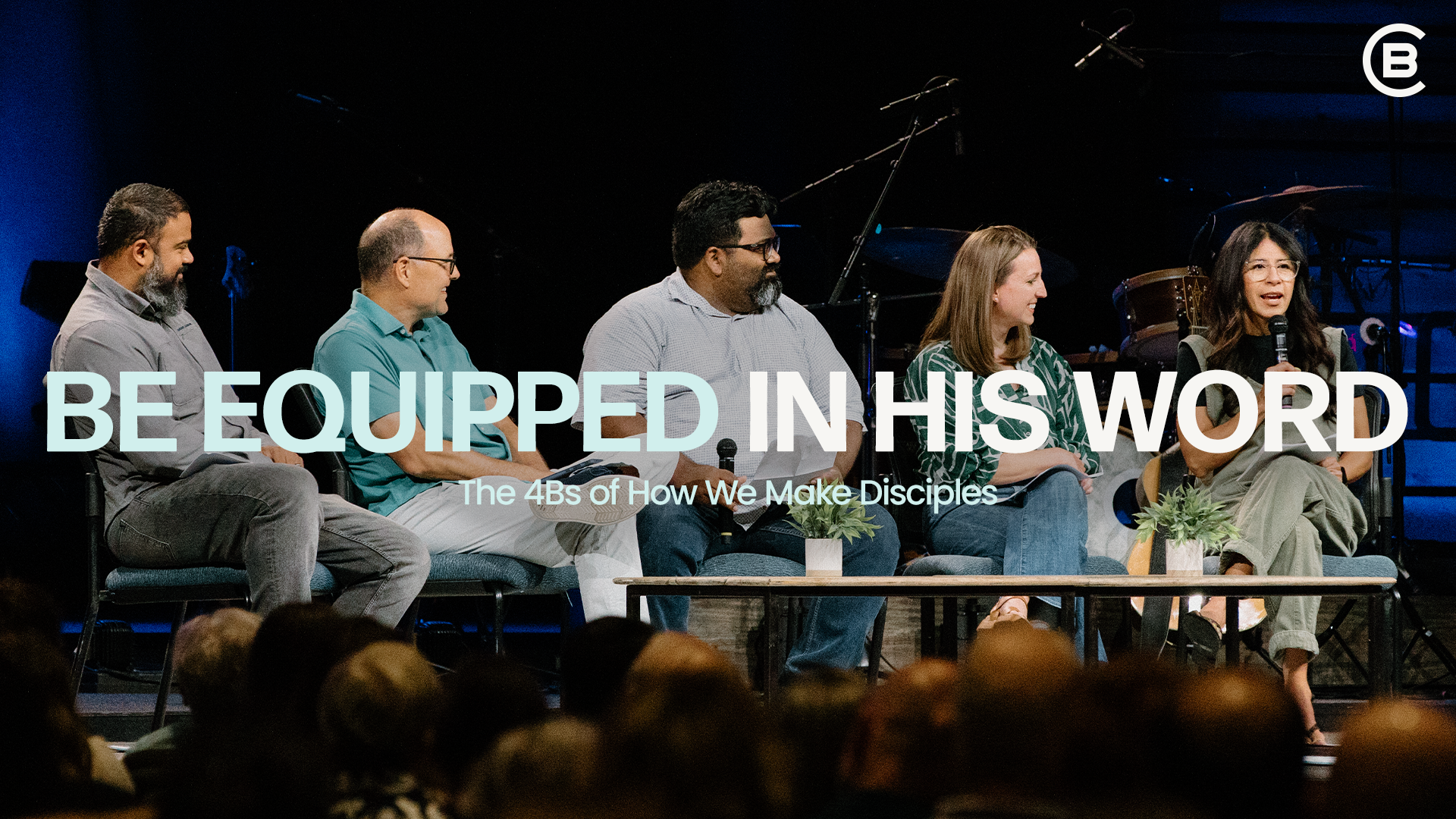
Most of us believe the Bible matters. Living like we need it is another thing entirely. In week three of Made Here, Brad Kirby makes the case that being equipped in God's Word isn't reserved for pastors, theologians, or unusually serious Christians. Then he hands the morning to people who started with nothing and lets them show you what changed.
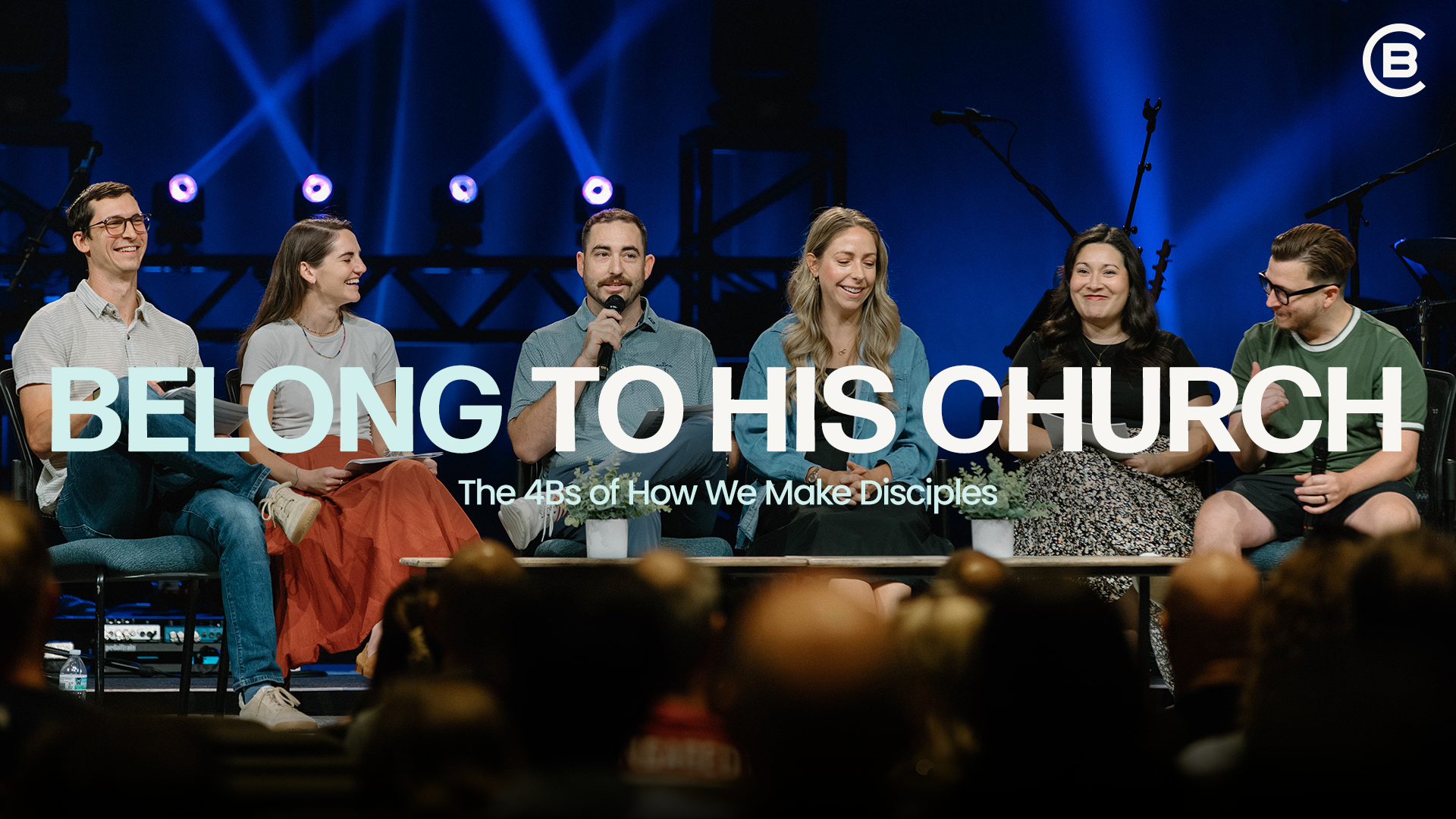
In the earliest days of the church, believers opened their homes, shared their meals, and met one another's needs as they came up. But it is possible to sit in a room full of people every week and still be completely unknown. In Acts 2, we see in the early church the difference between simply attending a church and truly belonging to one. Because the truth is, you can't become who God made you to be all on your own.
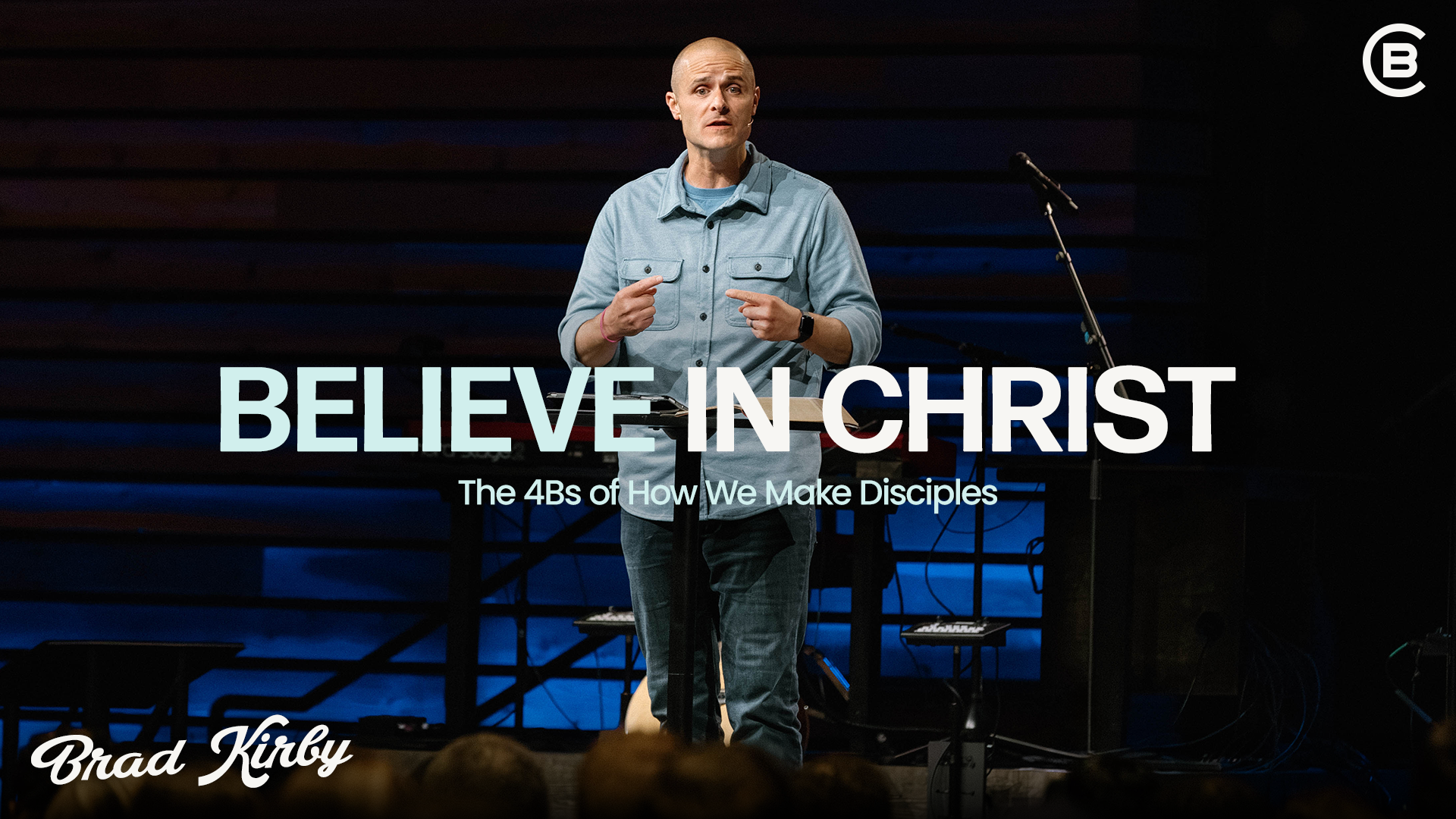
We wear the cross, hang it on our walls, and sing about grace almost every week. Somewhere along the way, the most stunning news in the world can quietly start to feel ordinary. In the opening message of Made Here, Brad Kirby walks through Ephesians 2 and asks what it really means to believe in Christ. It's a look at how God takes people who were spiritually dead and makes them new, and why that one truth changes everything about how we live.
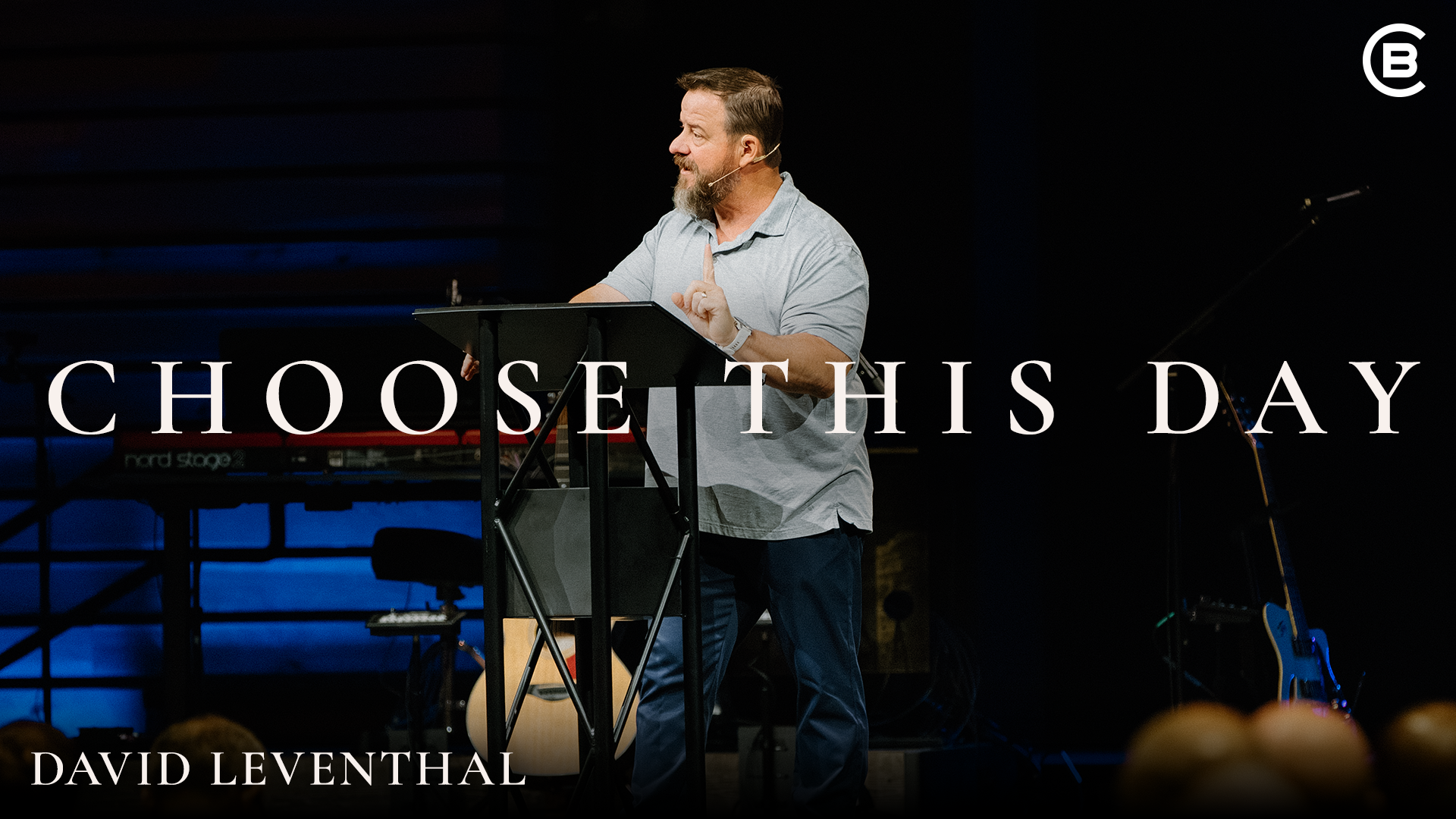
At 110 years old, Joshua gathers all of Israel one last time and asks a single question, using the word "serve" fifteen times in twenty verses. The people answer "yes" three times, and then Joshua tells them the hardest thing they'll hear: you're not able to. In the final chapter of Joshua, David Leventhal walks through the gap between a sincere intention and a life that actually follows through. And he points to a better Joshua who kept the covenant we keep breaking.
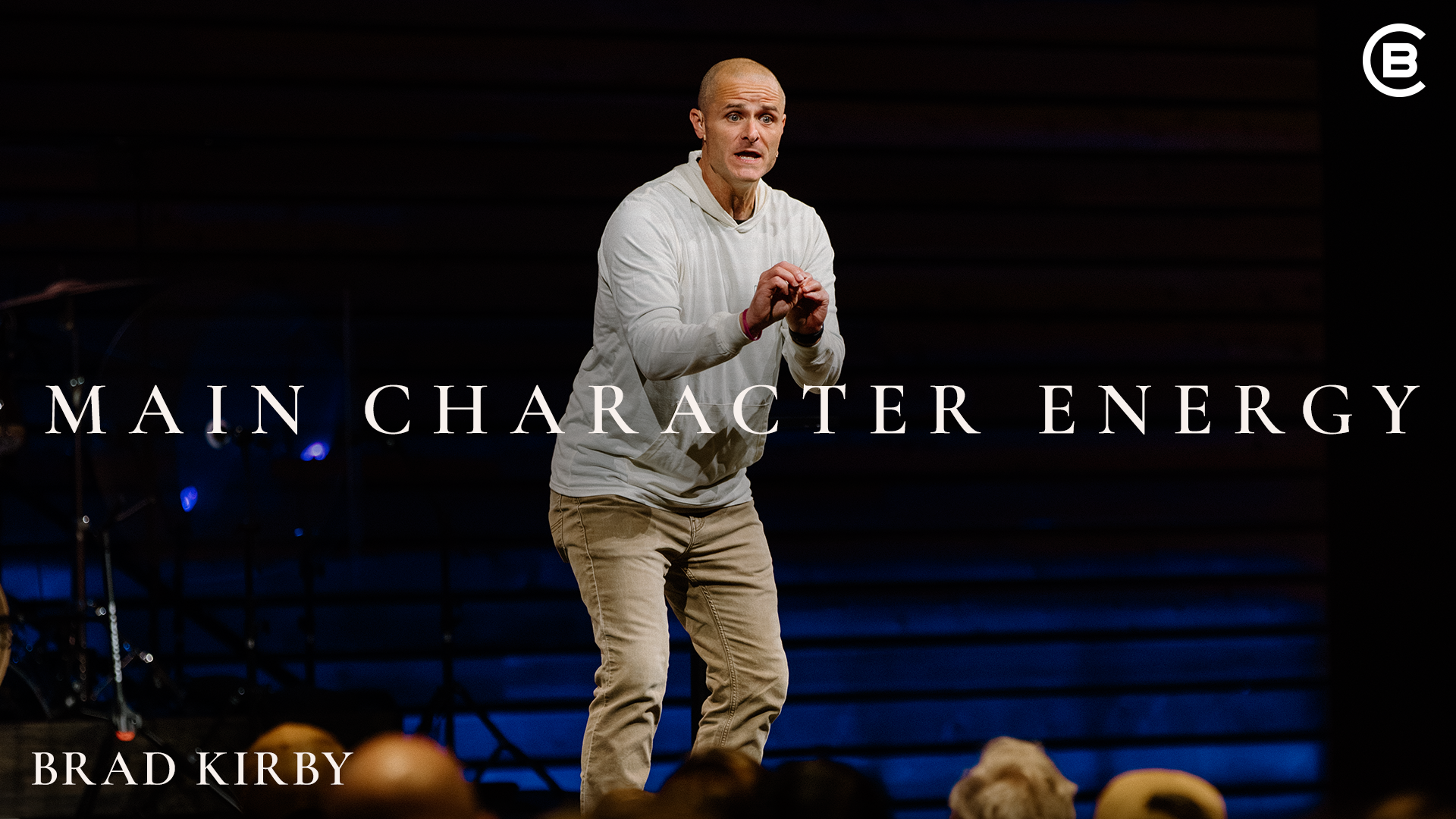
God gathers an entire nation at Shechem and starts retelling their history, and every verb points back to Him. Israel could have told the same story about their own battles, their own leaders, and their own victories, and left out the One who made it all possible. In Joshua 24, Brad Kirby shows how God traces His grace all the way back to an idol-worshiping family beyond the river. You'll walk away seeing that even in your story, you were never the main character, and that's the best news of all.
At 110 years old, with every battle behind him, Joshua gathers his people one last time. His concern isn't the enemies outside the camp. It's whether they'll still love God once life gets comfortable. In Joshua 23, Brad Kirby walks through three charges that keep a life anchored for the long haul: remember, remain, and resist.
Israel has finally won every battle and settled into the rest God promised. Then they hear that their own brothers have built a strange altar by the Jordan, and the whole nation gathers for war. In Joshua 22, Brad Kirby shows how quickly a family can turn on itself when we assume the worst before we understand the truth. Watch how a moment that looked like rebellion became a witness to what really held them together.
We tend to become like whatever we spend our time looking at. In Joshua 21, a chapter that reads like a list of forgotten towns, God quietly scatters His people across every region of the land. Josh Fortney unpacks why that matters and shows how God wanted to be so near His people that they couldn't help but look at Him. It's a picture of a God who doesn't just rescue us once but chooses to live close, right where we live.
After the battles are over and the land is divided, Joshua pauses to do something strange: he sets apart six cities of refuge. They were quiet places where someone whose life had fallen apart could run and find safety. In Joshua 20, Brad Kirby shows how those scattered cities point to the one Savior we run to when sin, shame, and suffering crush us. The greatest legacy we leave isn't a building or a name, it's a generation that knows exactly where to run.

A promise made in Genesis 12 finally comes true in Joshua 15-19, 600 years and a lifetime of waiting later. But the moment Israel receives the land, a new question emerges: will they actually inhabit what they have been given? Brad Kirby, Josh Fortney, and David Leventhal walk through five chapters most people skip and find a bold daughter, a recurring warning about small compromises, and a direct question from Joshua himself: how long will you put off taking possession of what God has already given you?
At eighty-five years old, Caleb walked up to Joshua and asked for the one piece of land nobody else wanted: the hill country still full of giants. Forty-five years earlier God had promised it to him, and Caleb never once stopped believing it would be his. In this Father's Day message from Joshua 14, Josh Fortney unpacks what it looks like to follow God with your whole heart across decades of waiting. The people who finish strong, it turns out, are usually the ones who simply kept showing up.
By the end of Joshua 12, the scoreboard reads 31 defeated kings. Then chapter 13 opens with no battles left to fight, just an old leader, an unfinished map, and a surprising command from God: start giving the land away now. In Joshua 13:1–14:5, David Leventhal shows why the inheritance was always meant to be received and not earned, and why the people carrying God's promise still had to be reminded not to treasure the gift more than the Giver. The land was good, but the One who gave it was better.
The northern kings gathered against Israel with an army "like the sand that is on the seashore," with horses, chariots, and every military advantage Israel didn't have. Joshua 11 doesn't start with a battle plan. It starts with God speaking. In this message, Brad Kirby shows what it looks like to trust God's Word when the opposition is massive, the process is long, and old fears come rising back up. If God's "I will" is greater than our "we cannot," then the thirty-one victories at the end of Joshua 12 are more than history, they're a fuel source.
Five enemy kings are sealed inside a cave, and Joshua tells his army to keep moving. Joshua 10:16–43 shows what it looks like to live from a victory Christ has already won: not paralyzed by fear, not passive in comfort, not stopping short of full obedience. The question this passage presses on all of us is the same one it pressed on Israel: will you actually live like the victory is real?
Five armies are on the move. A diplomatic mistake has become a military crisis. And Israel is about to walk into the biggest fight of the entire conquest, on behalf of people who deceived them. In Joshua 10:1-15, David Leventhal shows us that the central claim of the whole book of Joshua is on full display here: God is the primary actor who fights for His people. He doesn't wait for our circumstances to be tidy before He shows up. He works in the middle of chaotic, compromised, trainwreck situations, which, honestly, describes most of our everyday experience.
The Gibeonites showed up with moldy bread, worn-out sandals, and a convincing story about traveling from far away. Israel's leaders asked the right questions, inspected all the evidence, and still signed a covenant God never authorized. In Joshua 9, Brad Kirby shows how spiritual carelessness rarely looks like rebellion. It looks like a reasonable decision made without prayer, and even in the wreckage of that mistake, God's mercy turns out to be bigger than the worst thing it produced.
In the middle of a military campaign, Joshua stops everything and leads the entire nation 20 miles out of the way to a valley between two mountains. They still have a conquest to finish, but something more important is waiting. In Joshua 8:30–35, Brad Kirby shows why this unexpected pause is not a detour from the story of Joshua but the point of it. What Israel discovered between Mount Ebal and Mount Gerizim is what every follower of Jesus still needs: victory is sustained not by strength or strategy, but by continual dependence upon God.
Israel walked away from their first battle at Ai in shame, thirty-six men dead and the city still standing. God's response isn't a lecture. It's a battle plan, a fresh assignment, and the same promise He made before any of it went wrong. In Joshua 8, Josh Fortney traces what unfolds when Joshua stops presuming on his own strength and actually follows where God leads, and why every victory God provides is designed to point us somewhere far greater than the battle itself.
One man takes what God set apart, buries it in his tent, and says nothing. Before Joshua even knows what has happened, thirty-six men are dead and an entire nation is asking what went wrong. Brad Kirby, Josh Fortney, and David Leventhal open Joshua 7 in a candid roundtable conversation, tracing how hidden sin breaks covenant, how overconfidence silently replaces dependence on God, and why his correction is always an act of love. The valley of trouble is not the last word.
The whole church gathered outside, and Brad Kirby asked everyone to go quiet and listen to the sounds of the city around them. At the empty tomb on the first Easter morning, the angel didn't just say "tell the disciples." He said "and Peter," calling out by name the one who had denied Jesus three times just days before. In this message, Brad Kirby opens Mark 16:7 and shows why those two overlooked words carry the whole gospel and a pep talk for every person who has ever felt like they've blown it. If you've been sitting comfortable inside while the city waits on the outside, this one is for you.
Israel stands outside the walls of Jericho, and God's battle plan is to walk in circles in silence. For six days, nothing changes: no cracks, no progress, no sign the walls are going anywhere. In Joshua 6, Brad Kirby traces the pattern underneath it all: God speaks His promises before anything visibly moves, His people walk in faithful obedience, and God wins a victory that only He could win. This message is for anyone whose obedience has felt routine lately, and whose walls are still standing.
Joshua is standing alone in the no man's land outside Jericho when a stranger appears with a sword already drawn, and his question about whose side the man is on turns out to be exactly the wrong question. Most of us approach God the same way, hoping He'll confirm what we've already decided rather than actually commanding us. David Leventhal walks through Joshua 5:13–15 and shows how one encounter in three verses reframes everything: the sword was drawn before Joshua arrived, the army was already assembled, and Joshua's job was never to launch the campaign but to take his place inside one already in motion. The question God is still asking today is the same one He put to Joshua: are you trying to get God on your side, or are you willing to get on His?
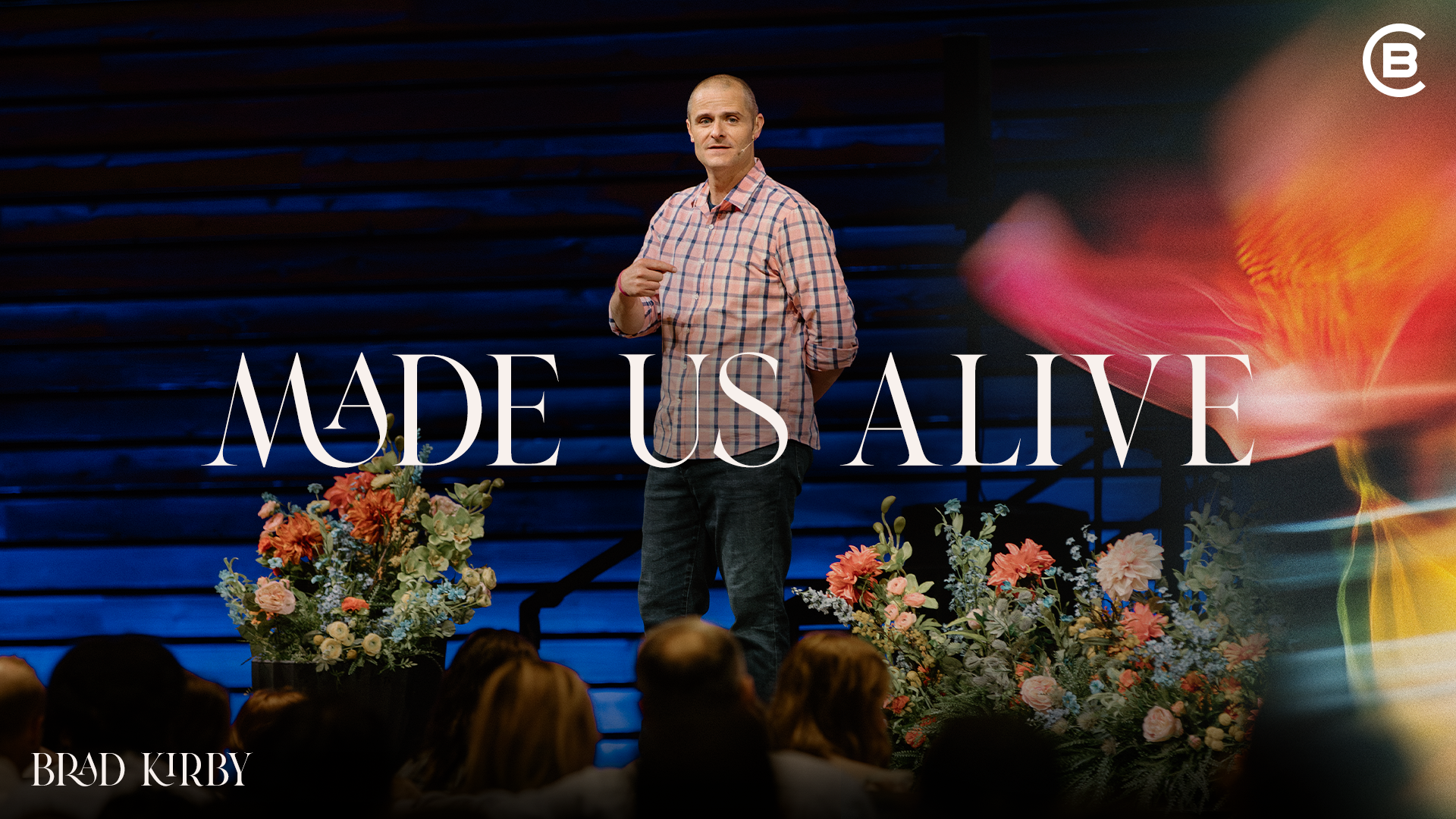
Before the world existed, God had already chosen you. Most of us treat Easter as a history lesson, but Ephesians 1 frames it as something far more personal. In this Easter Sunday message, Brad Kirby opens a treasure chest of six gifts that belong to everyone who trusts Christ, from adoption into God's family to a forgiveness that has been carried as far as the east is from the west. By the end, the question isn't whether Easter happened. It's whether you know what it means for you.