The Practices We Abandoned
Sermon Notes
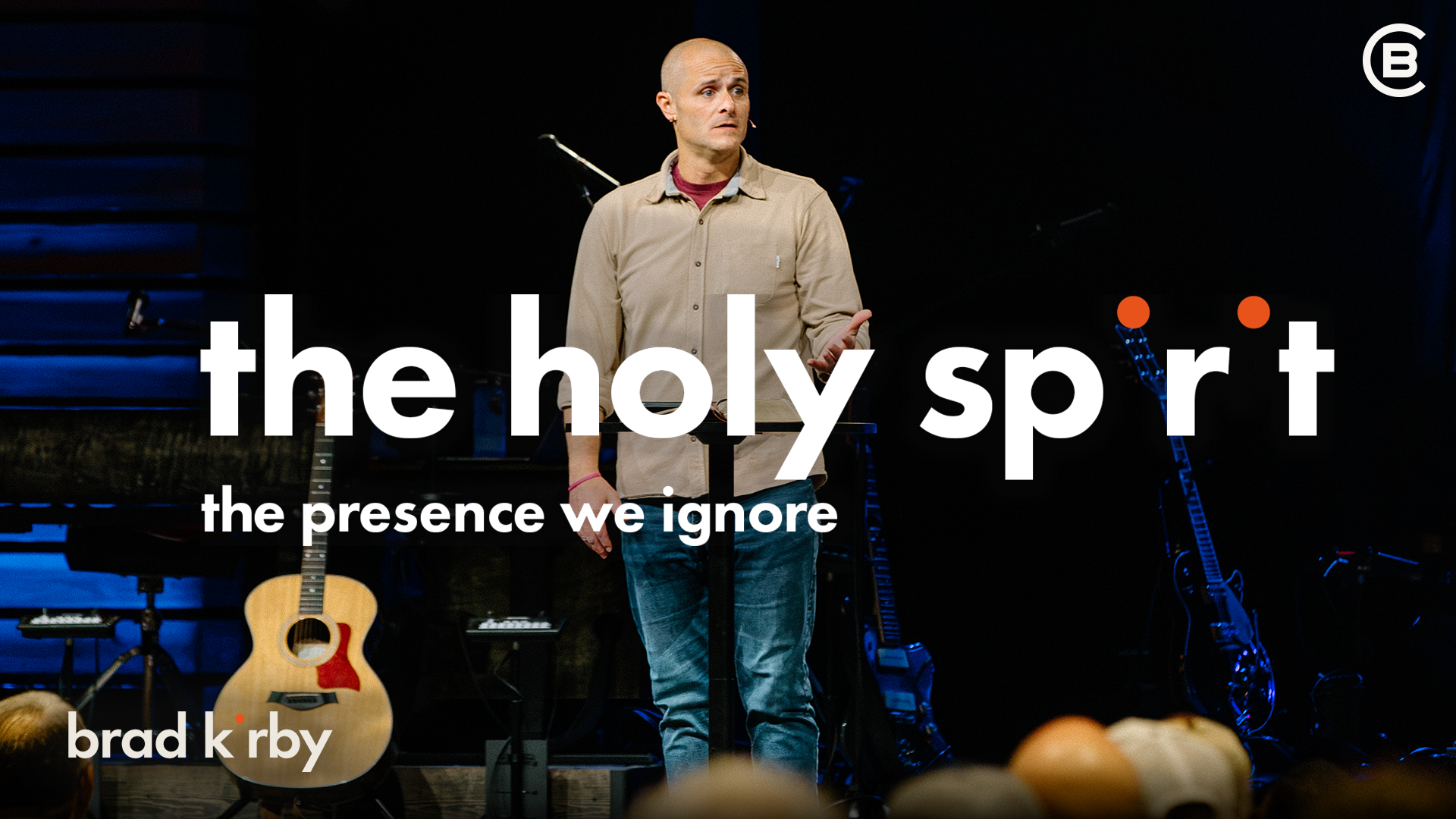
Your phone quietly keeps score of where your attention goes, so what would the stats say about your time with God? In Week 3 of What Are We Missing?, Brad Kirby points to Jesus, who kept withdrawing to pray even while the crowds were growing, and to an early church that was devoted to prayer. Brad walks through three practices many of us have drifted from — prayer, fasting, and biblical meditation — with two honest reminders: this is not a report card, and it is not an excuse. Along the way he offers simple first steps, from praying through Psalm 46 to keeping one verse on your lock screen. Whether you've prayed for years or haven't in a long time, we'd love for you to watch and take your next step toward Jesus.
Key Takeaways
Whatever gets your attention gets you. Your phone keeps a running report of where your attention goes, and that number tells us what's forming us. Brad asked what the stats would say if God kept the same kind of report. It isn't meant to make us feel guilty, only to help us see clearly.
Jesus made time with the Father a rhythm. Luke says He "would withdraw to desolate places and pray," even when the crowds were growing. If the sinless Son of God needed to depend on the Father, so do we. We cannot be deeply formed by God while constantly distracted from God.
These practices are not a report card, and they are not an excuse. God does not love you one ounce more on your best day or one ounce less on your worst. But grace is not a reason to coast, because there is always more of Him to know. We don't strive to be accepted. We strive because we already are.
Prayer is oxygen, not a vitamin. Jesus said, "Apart from me you can do nothing," so prayer isn't an extra for a full life. It's what keeps us alive. Brad's starting points: pick a time and place, pray through Psalm 46, and give God the first five minutes before you scroll.
Fasting and meditation help us make room for God. Fasting says, "Jesus, I want You more than I want this," and it shows us what really controls us. Meditation is letting God's Word move in: savor it, soak in it, and store it. Both are ways we take our hands off and make room for God.
Discussion Questions
When you look honestly at where your attention went this week, what do you think is forming you most?
What most often gets in the way when you try to step away and be with God?
Brad gave two warnings: this is not a report card, and this is not an excuse. Which one are you more likely to lean toward, and why?
Where in your week do you notice yourself saying "I've got this" instead of "God, I need You"?
What has made fasting feel unfamiliar or uncomfortable for you?
If you stored one verse this week, which moment of your week would it most help you in?
This Week's Challenge
Give God your first five minutes before you check your phone, and pray through Psalm 46 one verse at a time.
Transcript
Whatever Gets Your Attention Gets You
Take out your phone. Go to Screen Time, or Digital Wellbeing if you're on an Android, and look at your daily average. Some of you just looked at that number for the first time and said, "That can't be right." It is! If your number was higher than your age, just know I'm praying for you.
Your phone is keeping score. Every day, every week, it's quietly writing down where your attention goes. If God was keeping the same kind of report of your relationship with Him, I wonder what the stats would say? How many hours, how many minutes, did God get this week? This is not to make you feel guilty, but that number tells us what's forming us. Whatever gets your attention gets you.
A Culture Built for Speed
Let's be honest about the culture we live in. We stand in front of a microwave, watching a frozen Hot Pocket spin for ninety seconds, saying, "Come on, hurry up!" We tap our foot at the Keurig. We switch lanes on 75 to gain one car length, then end up at the next light next to the same guy anyway. We live in a culture shaped by speed, noise, constant availability, and immediate gratification.
Here's the problem: we've started expecting God to work like the drive-thru at Taco Bell. You can't microwave maturity. You can't K-cup your way to holiness. Richard Foster said the desperate need today is not for more intelligent or gifted people, "but for deep people." So how do we become deep people in a shallow culture? That's what this series is about.
The Early Church Was Devoted
Read the New Testament and you'll find these practices show up more than 200 times. Prayer alone shows up more than 150 times, and 30 of those are in the book of Acts. The early church couldn't fathom living without them. They devoted themselves to prayer together. They devoted themselves to the apostles' teaching and the prayers. They appointed elders with prayer and fasting.
That word devoted is the same word used in Mark 3:9, when Jesus told His disciples to have a boat ready for Him because of the crowd. That boat wasn't for fishing or travel. It sat at the shore, set apart, ready the moment Jesus needed it. The early church was devoted to prayer the way that boat was devoted to Jesus. Where did they learn to live like that? They learned it from Jesus.
They Learned It From Jesus
Luke tells us the crowds were growing and people were coming to be healed, but "he would withdraw to desolate places and pray." Notice when Jesus withdrew. It wasn't when ministry was slow. It was when ministry was exploding. That phrase describes an ongoing habit. It wasn't a one-time retreat. It was a rhythm.
You see it before the busiest day, before choosing the twelve apostles, after feeding the five thousand, when the crowd wanted to crown Him, and before the cross. His disciples noticed it so often that one of them finally said, "Lord, teach us to pray."
If the sinless Son of God needed to withdraw to pray, to listen, and to depend on the Father, what makes us think we can live without it? We cannot become people deeply formed by God while constantly distracted from God.
Not a Report Card, Not an Excuse
I have two warnings, and they're two sides of the same coin. First, this is not a report card. Spiritual disciplines are not ways to earn God's love. You can't fast your way into heaven. If you're in Christ, God does not love you one ounce more on your best day or one ounce less on your worst. Jesus already got the grade for you, and it was an A++.
Second, this is not an excuse. Grace is not a reason to stop pursuing God. Most of us don't have a "too much on my plate" problem. We have a "what's on my plate" problem. We add travel ball, new shows, another hour on our phones. We just keep adding everything except God. Paul wrote thirteen New Testament books and still said, "I press on to make it my own." If Paul hadn't arrived, neither have we.
Training, Not Trying
A report card says, "Do more or you'll fail." A marriage says, "I'm already yours, and I want more of you." We don't strive to be accepted. We strive because we already are. Paul says to train yourself for godliness, and that word is where we get gymnasium. Nobody accidentally drifts into godliness.
When my son Luke was little, he was obsessed with baseball. He copied every batting stance and wore all the gear, eye black and sliding gloves included. But he never copied the hours in the weight room, the strict diet, or batting practice at 6 a.m. He copied everything you could see in the game and none of the work nobody sees. That's how many of us follow Jesus. We want to look like Him in the big moments, but we skip the 6 a.m. reps.
Prayer: The Practice of Dependence
We abandoned prayer because we think we can handle it ourselves. It's the most talked-about, least-practiced thing in the Christian life. Many of us pray the way we floss: right before the dentist appointment, hoping it makes up for the last six months. Then come the excuses. "I'm too busy." "I already pray." "It's boring."
I don't buy the first one. Busyness is the fruit of not praying, because when I don't pray, I'm telling God, "I don't need you. I've got this." Jesus said, "Apart from me you can do nothing." Prayer isn't a vitamin. It's oxygen. And if prayer only happens in public, we're starting in the wrong room. Jesus said to go into your room, shut the door, and pray to your Father in secret.
Fasting: The Practice of Hunger
One reason the American church has abandoned fasting is that we're not used to telling ourselves no. Tell a church to pray more and everybody nods. Tell a church to skip lunch and the room gets real quiet. This is Texas, where fasting is the four hours between breakfast tacos and brisket. Ronnie Floyd defines it simply: abstaining from food with a spiritual goal in mind.
Jesus didn't say if you fast. He said when you fast, the same as when you give and when you pray. Fasting says with our whole body, "Jesus, I want You more than I want this." It also exposes what controls us. Hunger doesn't create what's in there. It just reveals it, so Jesus can deal with it. It's not a diet or a performance. It's not just going without. It's going toward.
Biblical Meditation: The Practice of Abiding
We abandoned meditation because we've confused information with transformation. Biblical meditation isn't a guy on a mountaintop going "Ommmm." It's abiding, letting God's Word move in. Eastern meditation says empty your mind. Biblical meditation says fill your mind with God's Word, then chew on it. The Hebrew word in Psalm 1 means to murmur, to growl over, like a lion with a fresh steak.
So savor His Word like a good chicken-sausage gumbo. Soak in it, like a tea bag that steeps until the whole cup changes color. And store it, because Jesus answered temptation from memory. We don't have a memory problem. We have a priority problem. We don't have an attention problem. We have an appetite problem.
Be Still
We picture Psalm 46:10 on a coffee mug or a screensaver of a calm meadow. It wasn't written there. Psalm 46 is about the earth giving way, mountains falling into the sea, and nations raging. Right in the middle of all that noise, God says, "Be still."
Warren Wiersbe says it literally means "take your hands off." That's what prayer, fasting, and meditation are: ways we take our hands off and make room for God.